



Many builders consider gypsum board purely for cost savings without understanding its comprehensive performance benefits. Recognizing all advantages helps optimize material selection and construction efficiency for various building applications.
Gypsum board offers fire resistance, sound insulation, dimensional stability, easy installation, and environmental benefits while providing smooth surfaces for finishing, making it superior to many traditional wall materials in speed, safety, and sustainability.
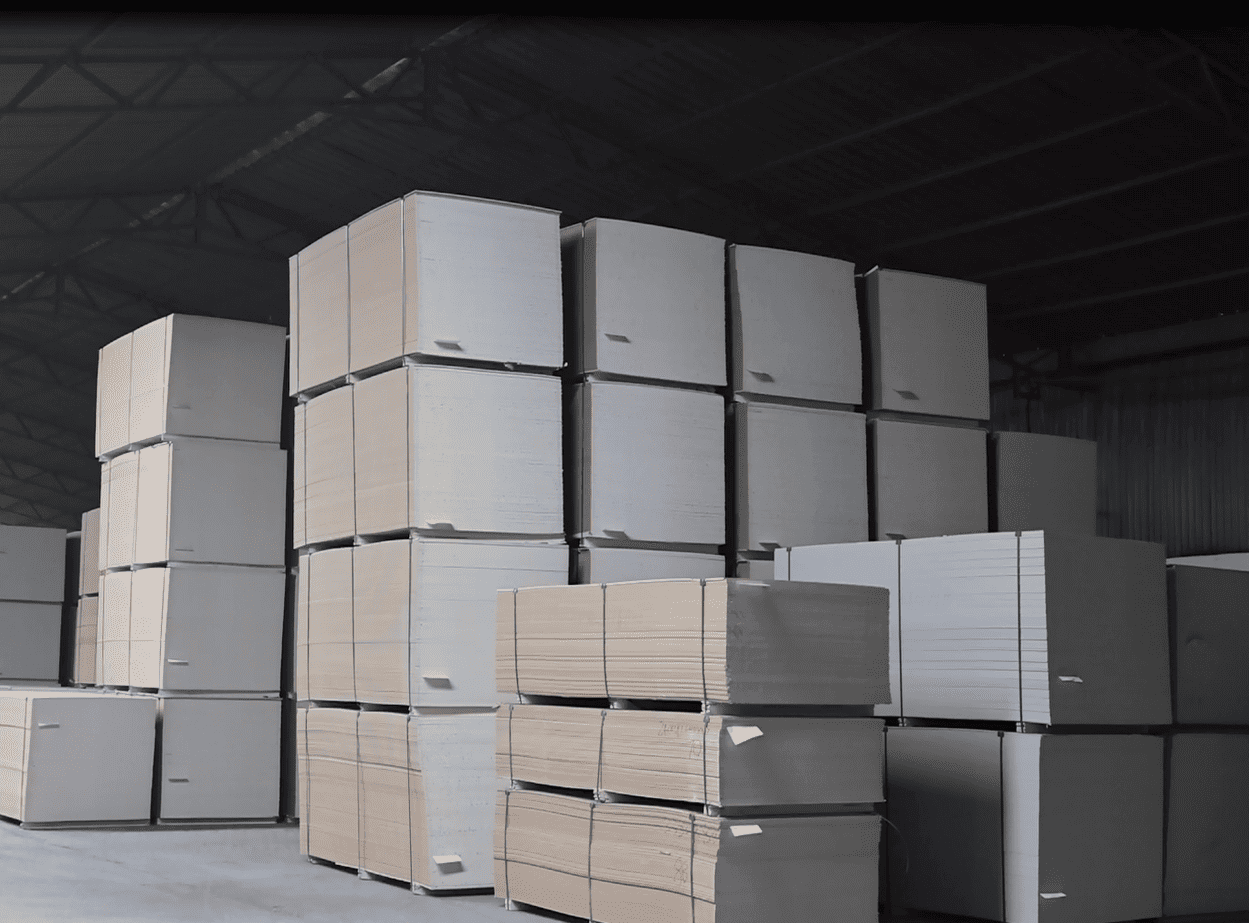
After decades of manufacturing gypsum board products and observing their performance across countless applications, I have witnessed how understanding these advantages transforms building projects from basic wall covering to comprehensive building systems that enhance safety, efficiency, and occupant comfort.
Is There a Difference Between Gypsum Board and Drywall?
Understanding terminology differences helps clarify product specifications and construction methods. The distinction affects material selection and installation approaches for different building applications.
Gypsum board and drywall refer to the same material, with "gypsum board" describing the product composition while "drywall" describes the installation method that eliminates wet construction processes, though regional preferences and industry contexts influence which term is commonly used.
Understanding Material Identity and Construction Evolution
The terminology confusion between gypsum board and drywall reflects the evolution of construction methods and industry perspectives rather than material differences. During my years in manufacturing, I observed how these terms developed from different aspects of the same revolutionary building approach that transformed interior construction.
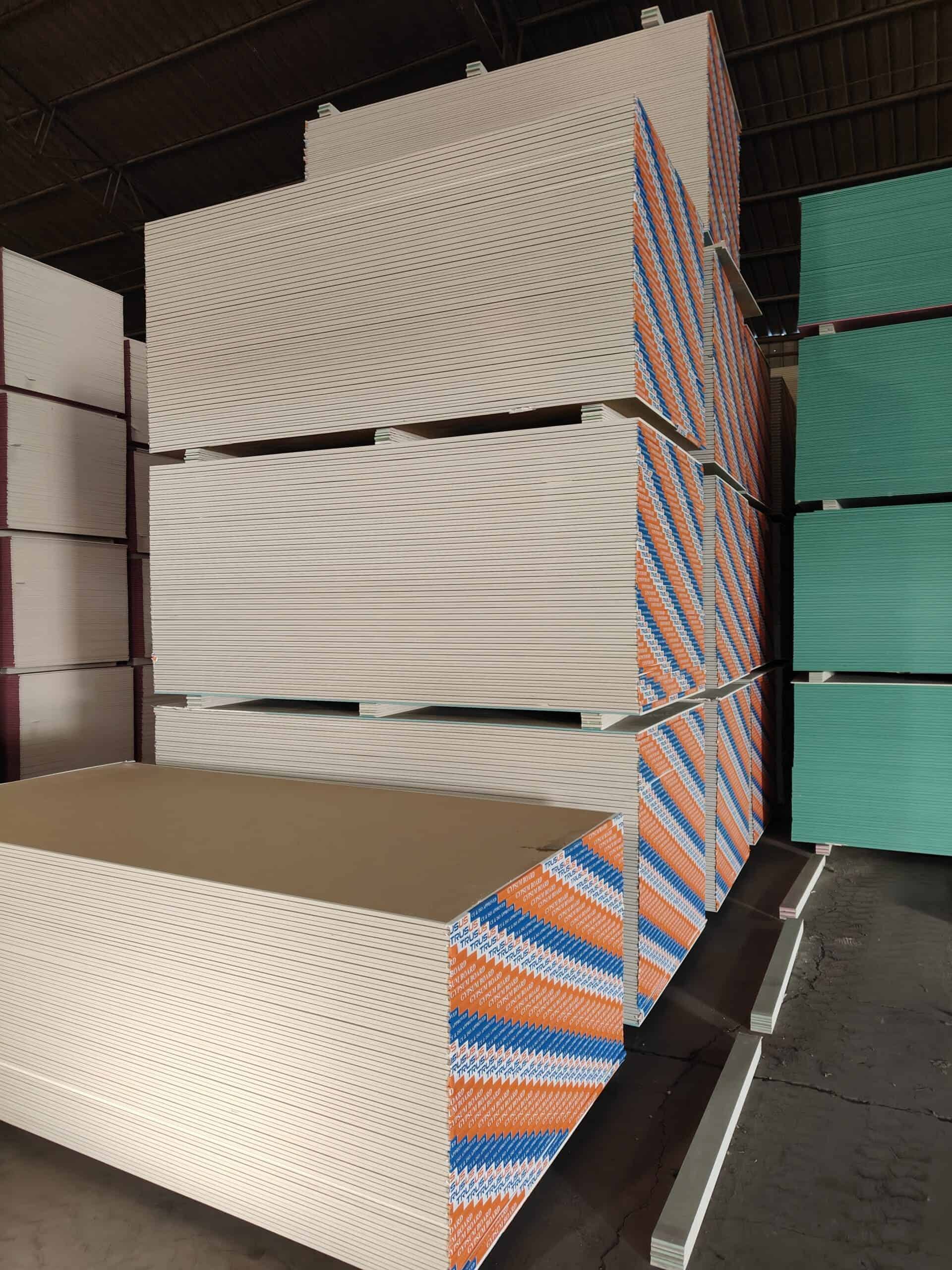
Material composition remains identical whether called gypsum board or drywall, consisting of a gypsum core sandwiched between paper facings. The gypsum core provides fire resistance and dimensional stability while paper facings offer strength and smooth surfaces for finishing. This composition has remained fundamentally unchanged since the material's development in the early 20th century.
Regional terminology preferences influence which term predominates in different markets and construction communities. North American markets typically favor "drywall" while international markets often prefer "gypsum board" or specific brand names. These preferences reflect local construction traditions and industry education rather than product differences.
Industry context affects terminology usage with architects and engineers typically using "gypsum board" in specifications while contractors and installers commonly refer to "drywall." Technical documentation and building codes generally use "gypsum board" for precision while trade publications may use either term interchangeably.
Historical development explains why both terms coexist for the same material. "Gypsum board" describes what the material is made from while "drywall" describes what it replaced - wet plaster construction that required extensive drying time. The "dry" construction method revolutionized building schedules and reduced labor requirements.
Manufacturing standards apply equally to products regardless of terminology used in marketing or specifications. ASTM standards, building codes, and performance requirements remain consistent whether products are labeled as gypsum board or drywall. Quality control and testing procedures are identical across all naming conventions.
Installation methods remain the same regardless of terminology, involving attachment to framing systems, joint treatment, and surface finishing. The "drywall" installation process that gives the material its name consists of mechanical attachment followed by joint compound application without requiring water curing time like traditional plaster.
Performance characteristics including fire resistance, sound control, and structural properties are identical whether the material is called gypsum board or drywall. Testing results, code compliance, and warranty coverage apply equally regardless of which term is used in project specifications or marketing materials.
| Terminology Aspect | Gypsum Board | Drywall | Practical Impact |
|---|---|---|---|
| Technical specifications | Standard usage | Common usage | No performance difference |
| Building codes | Primary reference | Alternative reference | Same requirements |
| Manufacturing | Standard terminology | Marketing alternative | Identical products |
| Installation | Professional reference | Trade reference | Same methods |
| Regional preference | International | North American | No material difference |
Can Gypsum Board Be Used as Drywall in Construction Applications?
This question reflects confusion about material identity rather than application suitability. Understanding interchangeability helps clarify specification and installation requirements for construction projects.
Gypsum board is drywall, making them completely interchangeable in all construction applications, with performance, installation methods, and building code compliance being identical regardless of which term appears in specifications or product labeling.

Application Compatibility and Performance Characteristics
The question of whether gypsum board can be used as drywall reveals a fundamental misunderstanding about material identity that I frequently encounter when helping customers understand their construction options. This confusion often stems from different marketing approaches and regional terminology preferences rather than actual product differences.
Construction applications remain identical whether projects specify gypsum board or drywall, including interior walls, ceilings, and specialized applications like fire-rated assemblies. The material performs the same functions regardless of terminology, providing structural support for finishes, fire protection, and environmental separation within buildings.
Building code compliance applies equally to gypsum board and drywall since they reference the same material with identical performance characteristics. Fire ratings, structural properties, and installation requirements remain consistent across all terminology variations. Code officials recognize both terms as referring to the same product category.
Installation procedures follow identical steps whether installing gypsum board or drywall, including framing preparation, panel attachment, joint treatment, and surface finishing. Tools, fasteners, and finishing materials work the same way regardless of product labeling or specification terminology used in project documents.
Performance testing results apply universally to gypsum board products regardless of marketing terminology, with fire resistance, sound transmission, and structural properties remaining constant. Laboratory testing and certification programs do not distinguish between products based on naming conventions but rather on manufacturing standards and composition.
Quality standards maintained by manufacturers remain consistent whether products are marketed as gypsum board or drywall. Raw material specifications, manufacturing processes, and quality control procedures produce identical products regardless of labeling or marketing positioning in different market segments.
Professional specifications can use either term without affecting project outcomes or contractor performance. Architects and engineers may prefer "gypsum board" for technical accuracy while contractors may use "drywall" for practical communication. Both terms reference the same products and installation requirements.
Cost factors remain identical whether purchasing gypsum board or drywall since pricing reflects manufacturing costs, market conditions, and performance characteristics rather than terminology. Material costs, installation labor, and finishing requirements are the same regardless of which name appears on invoices or specifications.
Warranty coverage applies equally to all gypsum board products regardless of marketing terminology used by manufacturers or distributors. Performance guarantees and defect coverage depend on manufacturing quality and proper installation rather than product naming conventions or marketing approaches.
| Application Area | Gypsum Board Suitability | Drywall Suitability | Performance Difference |
|---|---|---|---|
| Interior walls | Fully suitable | Fully suitable | None - identical material |
| Ceiling systems | Fully suitable | Fully suitable | None - identical material |
| Fire-rated assemblies | Fully suitable | Fully suitable | None - identical material |
| Moisture-resistant areas | Type specific | Type specific | None - same specifications |
| Commercial construction | Fully suitable | Fully suitable | None - identical material |
Why is Gypsum Board Called Drywall in Construction?
Understanding the historical context of drywall terminology helps appreciate the construction revolution that gypsum board represents. This naming origin reflects significant changes in building methods and industry evolution.
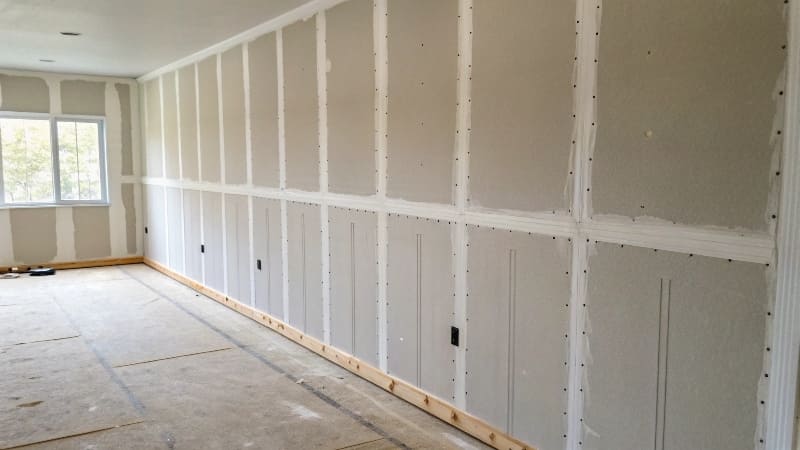
Gypsum board earned the name "drywall" because it eliminated the wet plaster application process that required extensive drying time, allowing walls to be installed and finished without water-based materials that needed curing, revolutionizing construction speed and efficiency.
Historical Construction Method Revolution
The "drywall" designation represents one of the most significant construction innovations of the 20th century, fundamentally changing how interior spaces are created and finished. During my research into industry history and evolution, I learned how this naming convention reflects a complete transformation of building methods that continues to influence modern construction.
Traditional plaster construction required multiple wet applications of lime and gypsum-based materials directly onto wood or metal lath, creating smooth surfaces through skilled craftwork. This process required multiple coats applied over several days with drying time between applications. Weather conditions affected drying schedules and worker productivity significantly.
Water dependency in traditional methods created scheduling challenges and quality variations that frustrated builders and owners. Wet plaster required optimal temperature and humidity conditions for proper curing. Cold weather, high humidity, or poor ventilation could cause cracking, poor adhesion, or extended construction schedules.
Labor intensity of traditional plaster required highly skilled craftsmen who could apply multiple coats smoothly and handle varying conditions effectively. Training plasterers took years and their availability often limited construction schedules. The skill requirement made quality inconsistent and increased labor costs significantly.
Construction time reduction became possible when gypsum board eliminated wet application processes and drying requirements. Walls could be installed and finished in days rather than weeks. The "dry" construction method allowed immediate progression to subsequent trades without waiting for moisture to evaporate from wall systems.
Quality consistency improved dramatically with factory-manufactured panels that provided uniform thickness, smooth surfaces, and predictable performance. Weather independence allowed year-round construction in climate-controlled buildings without concerns about temperature and humidity affecting finishing quality.
Installation efficiency increased through mechanical attachment methods that required less specialized skills than traditional plastering. General carpenters could install gypsum board effectively while specialized finishing became a separate trade that could work more efficiently on prepared surfaces.
Material standardization enabled mass production and inventory management that reduced costs and improved availability. Standard panel sizes and thicknesses simplified planning and reduced waste. Factory quality control ensured consistent performance across all installations.
Modern construction methods evolved from the drywall innovation to include prefabrication, modular construction, and lean building processes. The speed and consistency advantages of dry construction methods influenced entire industries and enabled rapid housing development that addressed growing urbanization needs.
Industry transformation occurred as the construction workforce adapted from traditional crafts to modern assembly methods. The drywall revolution democratized wall construction while creating new specializations in manufacturing, distribution, and installation that support modern building industries.
| Construction Aspect | Traditional Plaster | Drywall Innovation | Impact of Change |
|---|---|---|---|
| Installation time | 1-2 weeks per room | 1-2 days per room | 5-10x faster |
| Weather dependency | High - requires ideal conditions | Low - works in most conditions | Year-round construction |
| Skill requirements | Master craftsman level | Moderate - trainable | Expanded workforce |
| Quality consistency | Variable - craftsman dependent | High - factory controlled | Predictable results |
| Material waste | High - mixed on site | Low - precise manufacturing | Cost reduction |
| Construction scheduling | Sequential with delays | Parallel trades possible | Faster project completion |
Conclusion
Gypsum board and drywall are identical materials offering fire resistance, sound control, and installation efficiency, with the "drywall" name reflecting the revolutionary elimination of wet construction methods that transformed modern building practices.