



Yes, you should use moisture-resistant drywall in basements, especially along exterior walls or damp zones. It reduces mold risk and prolongs wall life under humid conditions.
TRUSUS insight: moisture resistance isn’t waterproofing—it’s part of an environmental control system.
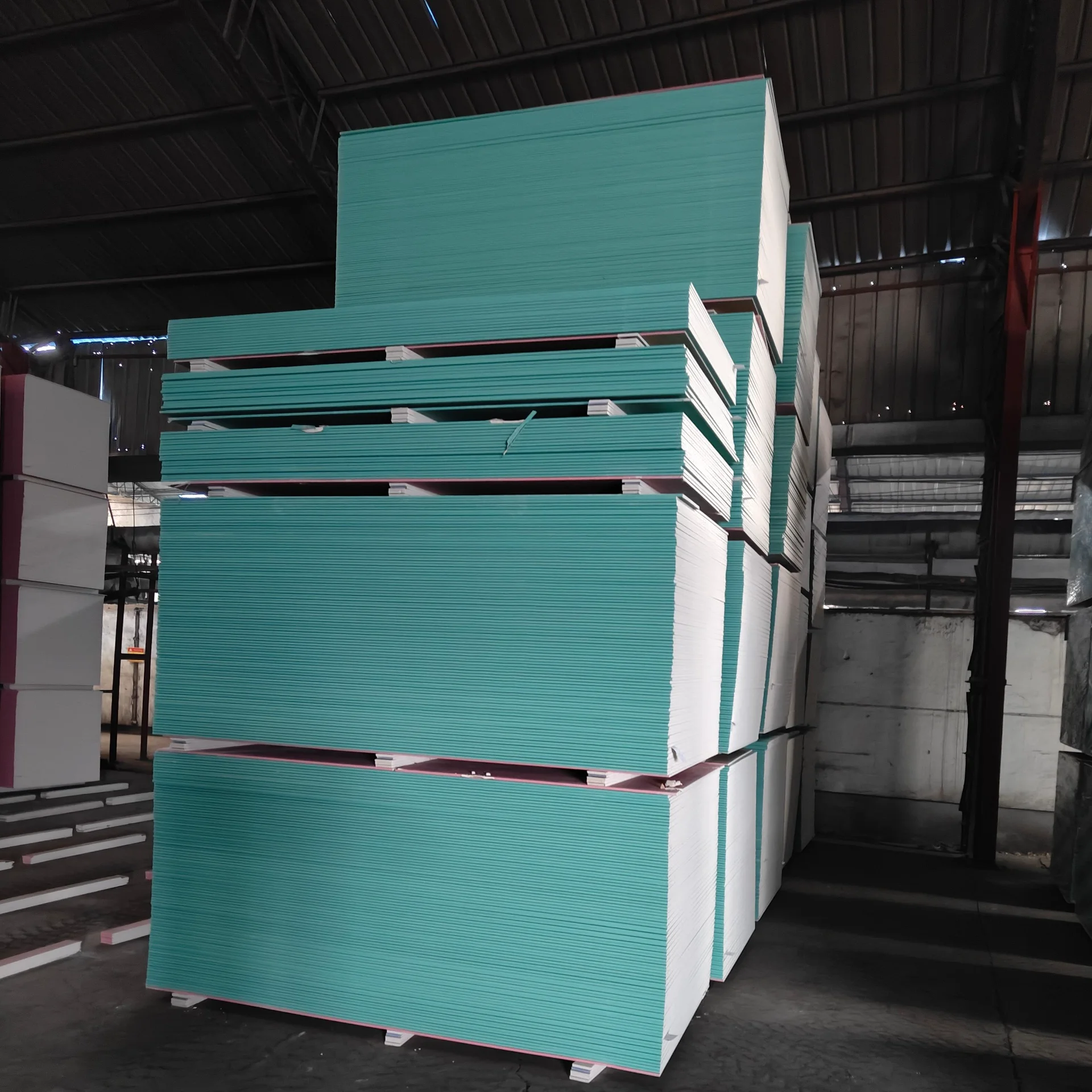
Moisture-resistant drywall slows humidity transfer and protects core integrity, but it works properly only when paired with proper waterproof barriers and ventilation.
What Type of Plasterboard Is Best for Basements?
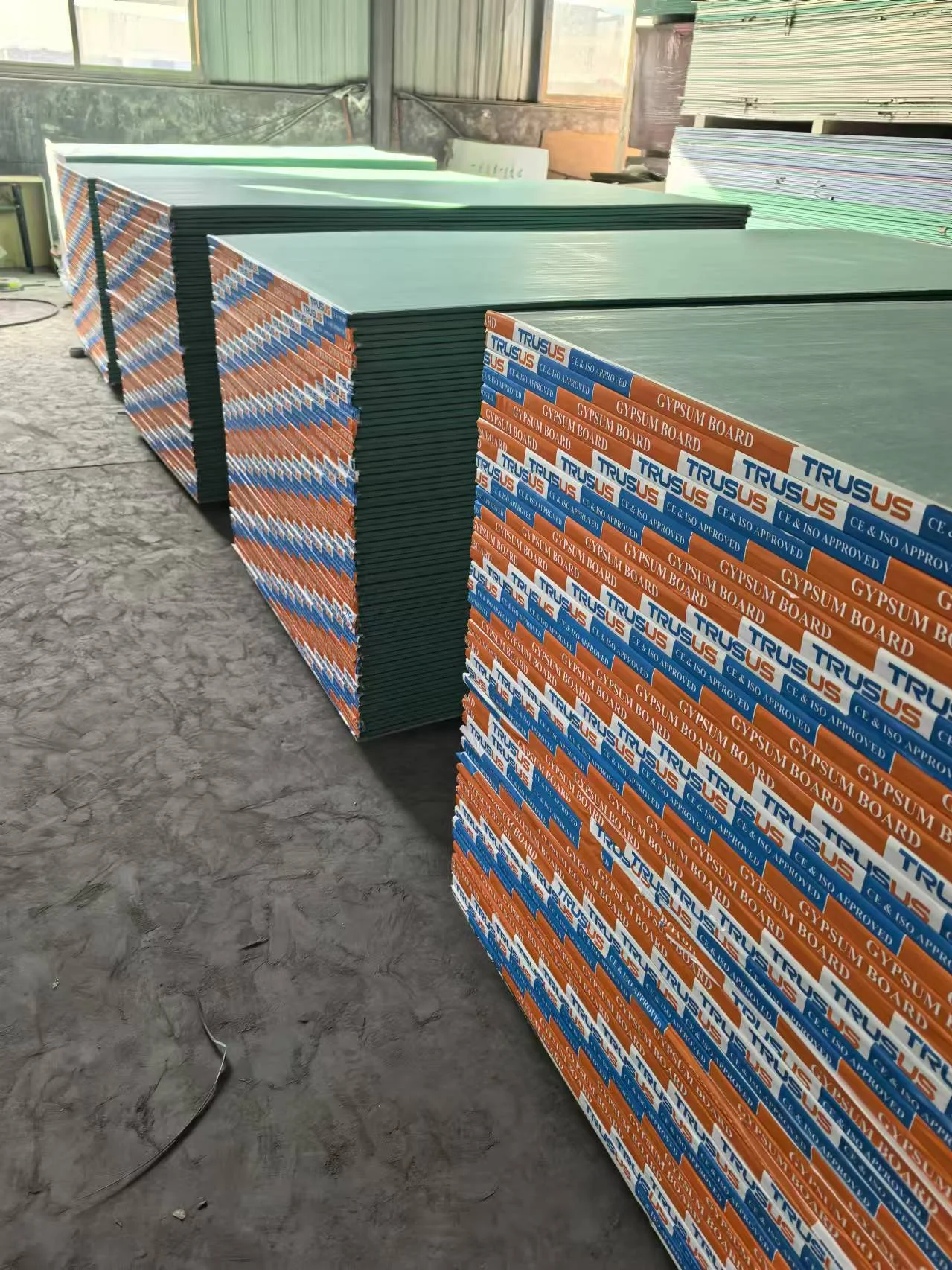
Fiberglass-reinforced or moisture-resistant gypsum boards are best. They resist mold and humidity while keeping good bonding for paint or finish layers. Standard paper-faced boards degrade quickly in damp environments.
design insight: match board type to humidity gradient, not just room function.
Plasterboard Selection Table
| Basement Zone | Recommended Type | Description |
|---|---|---|
| Outer Wall (High humidity) | Glass mat moisture-resistant board | Non-paper face prevents mold |
| Mid-zone (Moderate humidity) | Dual-layer mold and moisture board | Balances cost and durability |
| Inner partition (Dry area) | Standard gypsum board | Cost-efficient for low moisture |
Environmental Alignment
| Factor | Impact | Design Note |
|---|---|---|
| Ambient Humidity | Determines material longevity | Choose accordingly |
| Air Circulation | Prevents condensation | Add insulation gaps |
| Wall Temperature | Affects vapor flow | Use breathable coatings |
Plasterboard choice shapes long-term maintenance cost and surface stability.
Where Should You Use Moisture-Resistant Gypsum Board?
Use it anywhere humidity can condense or linger: basements, bathrooms, laundry areas, and kitchens. It’s the first shield between humid air and structure layers.
installation insight: moisture-resistant boards belong where air meets dew point—never purely dry walls.

Use Recommendation Matrix
| Location | Exposure Level | Recommended Type |
|---|---|---|
| Basement outer wall | High | Water-resistant gypsum board |
| Bathroom ceiling | High | Fiberglass-reinforced board |
| Kitchen splash zone | Moderate | Mold-resistant gypsum board |
| Laundry room walls | Moderate | Moisture-resistant board |
| Dry wall partitions | Low | Standard gypsum board |
System Function
| Element | Role | Comment |
|---|---|---|
| Gypsum core | Regulates humidity intake | Prevents quick saturation |
| Facing paper | Determines mold resistance | Use non-organic faces |
| Joint treatment | Maintains continuity | Use waterproof joint compound |
Moisture-resistant boards work best as parts of multi-layer humidity control systems.
Is It Okay to Use Regular Drywall in Basement?
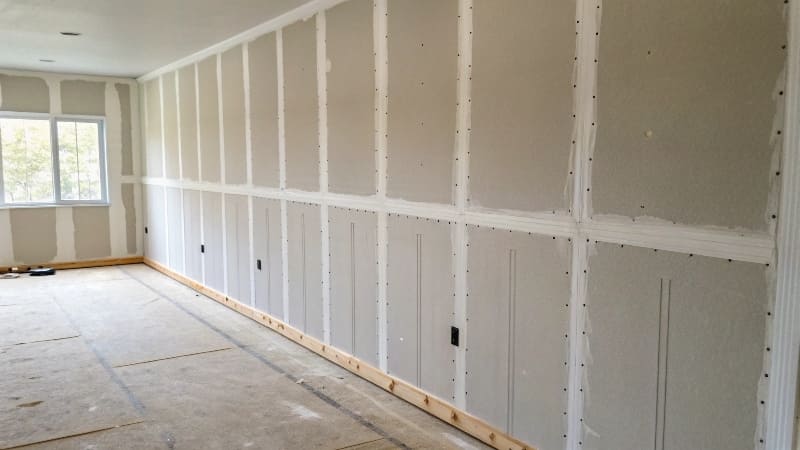
Only in fully dry, climate-controlled basements. Otherwise, regular drywall absorbs moisture and decays quickly, leading to mold and surface bubbles.
warning insight: standard drywall reacts to humidity faster than you think—it’s built for air-conditioned spaces, not damp foundations.
Material Risk Table
| Drywall Type | Suitable Area | Risk Level | Maintenance Need |
|---|---|---|---|
| Standard | Dry inner rooms | High in damp areas | Frequent repair |
| Moisture-resistant | Controlled humidity zones | Low | Minimal upkeep |
| Mold-resistant | Bathrooms / basements | Lowest | Prevents fungal growth |
Damp Zone Reality
| Factor | Problem | Preventive Step |
|---|---|---|
| Ground Moisture | Softened edges | Seal wall base |
| Air Humidity | Mold development | Improve ventilation |
| Poor Waterproof Barrier | Stained finish | Add vapor membrane |
Basement drywall performance depends more on moisture control strategy than on board price alone.
Conclusion
Moisture-resistant drywall ensures durability and comfort in damp spaces. TRUSUS believes true protection comes from the whole humidity management system, not from one product. Choosing the right board for the right zone keeps your basement dry, healthy, and structurally sound for years to come.