



Yes, gypsum board is highly sustainable due to its natural gypsum content, use of recycled materials (including post-consumer and industrial waste), low energy manufacturing process, and high recyclability rate of 90%+ at end-of-life, making it one of the most environmentally responsible building materials available.
Natural gypsum is abundant mineral resource requiring minimal processing energy compared to cement or steel production. Recycled content reaches 25-30% through post-consumer gypsum and industrial waste integration. Manufacturing energy consumption is 40-60% lower than cement board production with minimal CO2 emissions. End-of-life recycling achieves 90%+ material recovery through grinding and reprocessing. Local sourcing reduces transportation impacts with regional manufacturing networks minimizing carbon footprint.
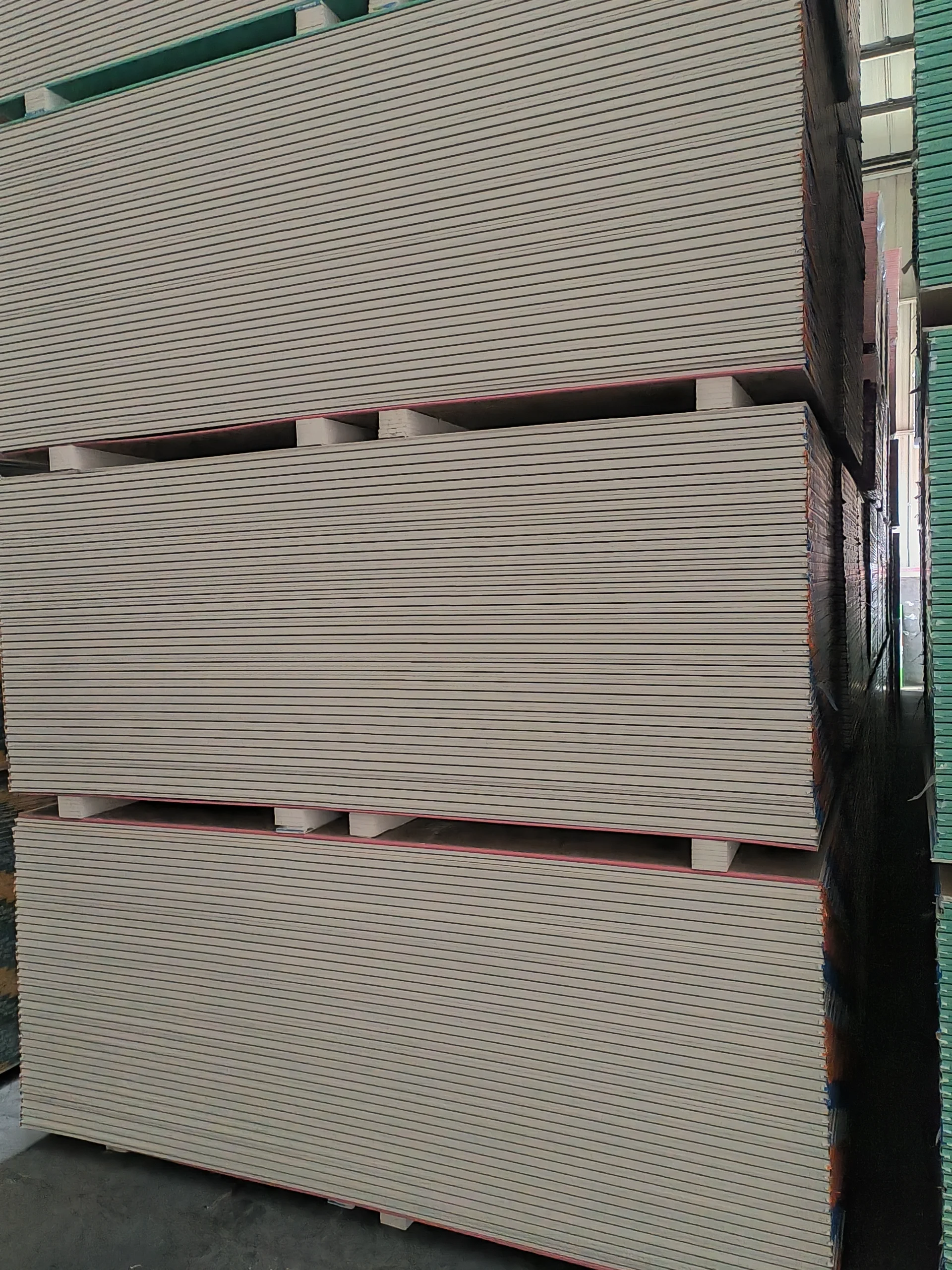
From my extensive experience in gypsum board manufacturing, I've witnessed the industry's remarkable evolution toward circular economy principles and sustainable production practices.
Is Gypsum Renewable or Nonrenewable?
Gypsum is technically nonrenewable as a mined mineral, but it's highly sustainable through abundant natural deposits, synthetic gypsum production from industrial processes like flue gas desulfurization, and excellent recyclability, creating a circular material system that functions similarly to renewable resources.
Natural gypsum deposits are geologically abundant with thousands of years supply at current extraction rates. Synthetic gypsum from power plants provides renewable alternative through flue gas desulfurization processes. Industrial byproduct gypsum includes phosphogypsum and citrogypsum creating waste-to-resource streams. Recycling processes allow infinite reuse cycles without performance degradation. Circular economy principles make gypsum effectively renewable through continuous material loops.
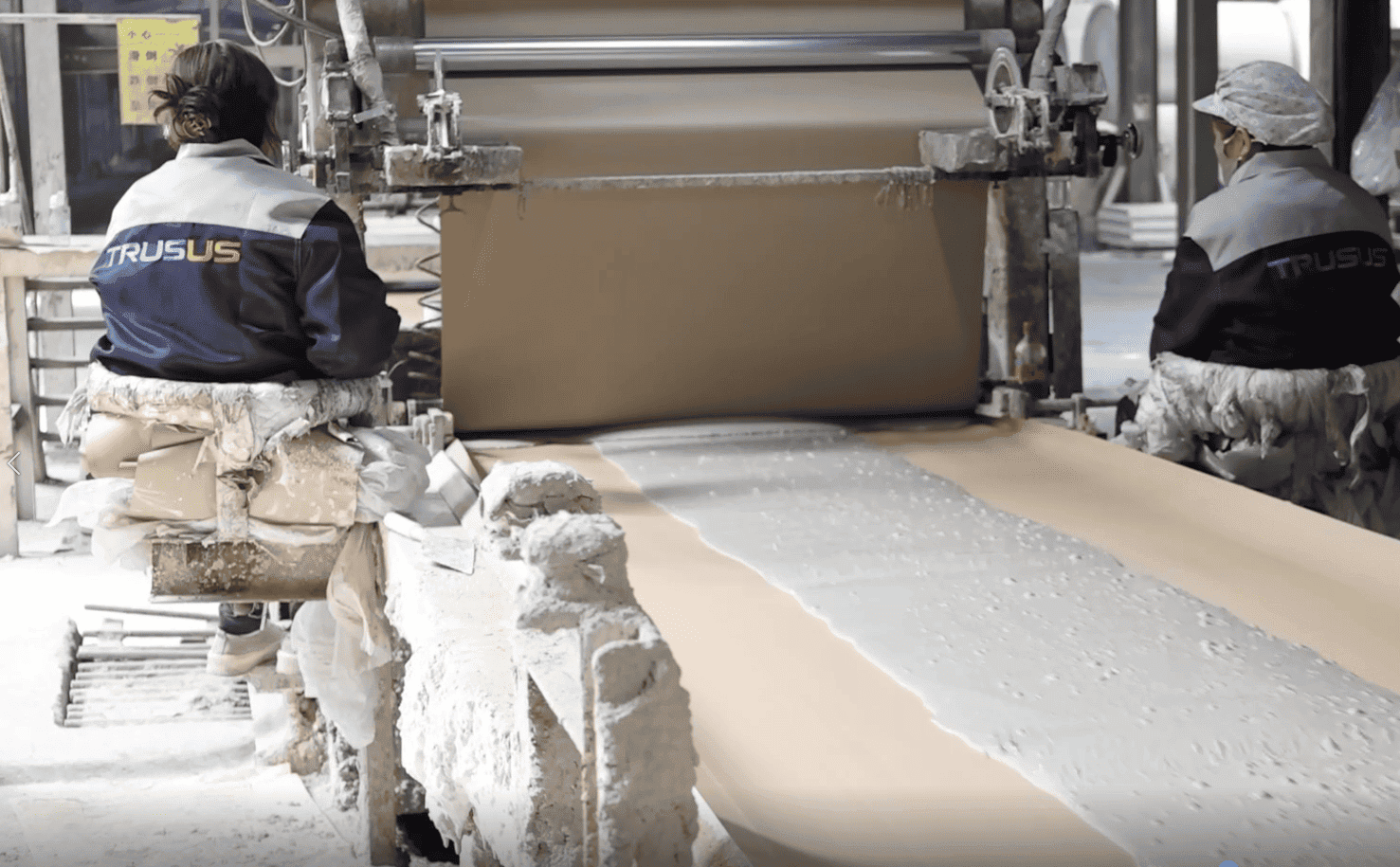
Gypsum Resource Analysis
Understanding gypsum availability and sustainability requires comprehensive resource assessment.
| Gypsum Source | Abundance Level | Sustainability Rating | Processing Requirements | Environmental Impact |
|---|---|---|---|---|
| Natural Deposits | Very High | Good | Minimal processing | Low extraction impact |
| Synthetic (FGD) | High | Excellent | Purification required | Waste stream utilization |
| Phosphogypsum | Moderate | Very Good | Treatment needed | Industrial waste reduction |
| Recycled Gypsum | Growing | Excellent | Reprocessing only | Waste diversion |
| Citrogypsum | Low | Good | Specialized handling | Niche applications |
Synthetic gypsum from power plants provides the most sustainable long-term resource option.
Circular Economy Integration
Gypsum's circular economy potential exceeds most building materials through multiple reuse pathways.
| Circular Process | Efficiency Rate | Material Quality | Economic Viability | Industry Adoption |
|---|---|---|---|---|
| Direct Recycling | 90-95% | Equivalent to virgin | Highly viable | Widespread |
| Reprocessing | 85-90% | Good performance | Economically sound | Growing |
| Waste Stream Capture | 70-80% | Variable quality | Developing markets | Limited |
| Industrial Symbiosis | 95%+ | Excellent | Very attractive | Emerging |
| Closed-Loop Systems | 98%+ | Premium quality | Optimal economics | Pilot programs |
Direct recycling offers the most efficient circular economy pathway for gypsum materials.
Resource Comparison Analysis
Comparing gypsum sustainability against other building materials reveals significant advantages.
| Material Type | Resource Depletion | Recycling Rate | Energy Intensity | Carbon Footprint | Sustainability Rank |
|---|---|---|---|---|---|
| Gypsum Board | Very Low | 90%+ | Low | Minimal | Excellent |
| Cement Board | Moderate | 30-50% | High | Significant | Fair |
| Wood Products | Variable | 60-80% | Moderate | Carbon positive | Good |
| Metal Panels | High | 90%+ | Very High | High | Fair |
| Plastic Panels | High | 20-40% | High | Significant | Poor |
Gypsum board demonstrates superior sustainability across multiple evaluation criteria.
What Is the Most Eco-Friendly Drywall?
The most eco-friendly drywall options include high-recycled content gypsum board (30%+ recycled material), natural gypsum boards with bio-based facings, low-VOC formulations, and innovative products like agricultural waste-based panels or compressed earth-gypsum composites offering superior environmental performance.
High-recycled content boards use 30-50% post-consumer gypsum reducing virgin material demand and landfill waste. Bio-based paper facings replace traditional paper with agricultural residues or recycled cardboard. Zero-VOC formulations eliminate formaldehyde and toxic additives improving indoor air quality. Regional sourcing reduces transportation emissions through local manufacturing networks. Third-party certifications like GREENGUARD and LEED verify environmental performance standards.
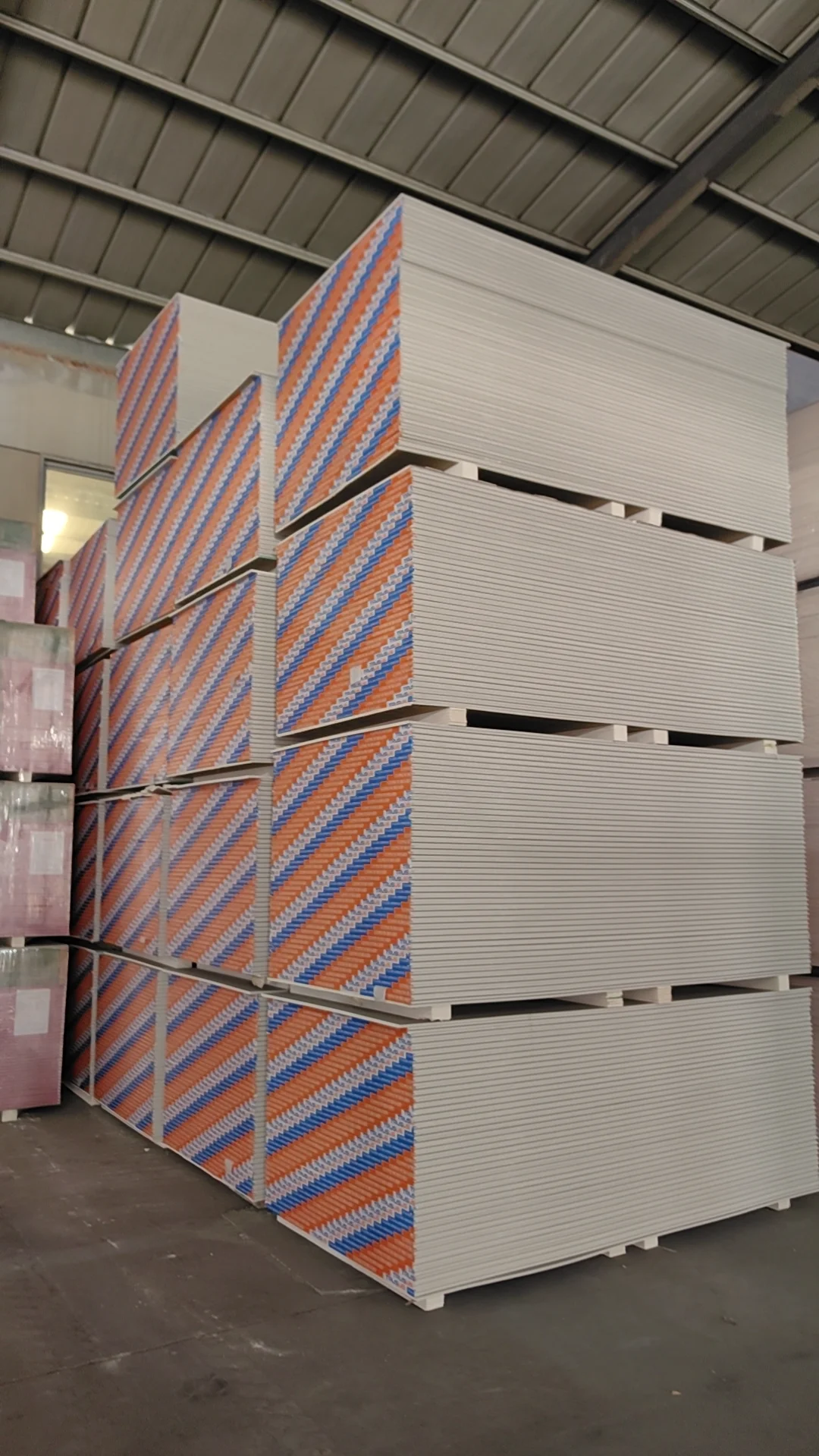
Environmental Performance Comparison
Different eco-friendly drywall products offer varying levels of environmental benefit.
| Product Type | Recycled Content | VOC Levels | Carbon Footprint | Certification | Environmental Score |
|---|---|---|---|---|---|
| Standard Recycled | 25-30% | Low | Baseline | GREENGUARD | Good |
| High-Recycled Content | 35-50% | Very Low | 15% reduction | LEED Points | Very Good |
| Bio-Based Facing | 20-30% | Ultra-Low | 10% reduction | Multiple certs | Excellent |
| Zero-Emission | 15-25% | None detected | Standard | GREENGUARD Gold | Very Good |
| Agricultural Composite | 40-60% | Variable | 25% reduction | Emerging standards | Excellent |
Agricultural composite boards show the highest environmental performance potential.
Certification Standards Analysis
Understanding environmental certifications helps identify truly eco-friendly drywall products.
| Certification | Requirements | Testing Standards | Market Recognition | Value Proposition |
|---|---|---|---|---|
| GREENGUARD | Low VOC emissions | UL 2818 protocol | Widely recognized | Indoor air quality |
| GREENGUARD Gold | Stricter emissions | Enhanced testing | Premium standard | Schools/healthcare |
| LEED Compliance | Multiple criteria | USGBC standards | Construction industry | Green building points |
| Cradle to Cradle | Circular design | C2C methodology | Emerging recognition | Full lifecycle |
| Environmental Product Declarations | Transparency | ISO 14025 | Professional market | Data-driven decisions |
GREENGUARD Gold certification provides the most rigorous environmental performance validation.
Innovation in Eco-Friendly Formulations
Emerging technologies are creating new categories of environmentally superior drywall products.
| Innovation Category | Technology Approach | Environmental Benefit | Market Readiness | Performance Impact |
|---|---|---|---|---|
| Agricultural Waste | Wheat straw/rice hulls | Waste stream utilization | Pilot production | Equivalent performance |
| Mycelium Composites | Fungal binding | Biodegradable matrix | Research phase | Enhanced properties |
| Recycled Plastic | Post-consumer integration | Plastic waste reduction | Limited production | Moisture resistance |
| Bio-Based Additives | Plant-derived chemicals | Renewable chemistry | Commercial | Improved performance |
| Carbon Capture | CO2 mineralization | Negative emissions | Development stage | Performance unknown |
Agricultural waste integration represents the most promising near-term innovation pathway.
What Is a Breathable Alternative to Plasterboard?
Breathable alternatives to plasterboard include clay-based boards, compressed earth panels, hemp-fiber composites, wood-fiber boards, and calcium silicate panels, which allow moisture vapor transmission while maintaining structural performance, creating healthier indoor environments and better humidity regulation.
Clay-based boards provide natural moisture regulation through hygroscopic properties and vapor permeability. Compressed earth panels use minimal binders allowing natural breathability with thermal mass benefits. Hemp-fiber composites offer excellent vapor transmission combined with carbon sequestration and renewable sourcing. Wood-fiber boards maintain breathability through natural fiber structure while providing insulation benefits. Calcium silicate panels combine mineral composition with controlled porosity for optimal vapor management.

Vapor Permeability Comparison
Breathable materials offer varying degrees of moisture vapor transmission for healthy buildings.
| Material Type | Vapor Permeability | Moisture Regulation | Installation Method | Performance Benefits |
|---|---|---|---|---|
| Clay Boards | Very High | Excellent | Standard techniques | Natural humidity control |
| Hemp Composites | High | Very Good | Specialized fastening | Carbon sequestration |
| Wood Fiber | High | Good | Conventional | Insulation integration |
| Calcium Silicate | Moderate-High | Very Good | Standard installation | Fire resistance |
| Earth Panels | Very High | Excellent | Heavy-duty mounting | Thermal mass |
Clay boards provide the highest natural moisture regulation capabilities.
Indoor Air Quality Benefits
Breathable wall materials contribute significantly to healthy indoor environments.
| Health Benefit | Mechanism | Effectiveness | Scientific Evidence | User Experience |
|---|---|---|---|---|
| Humidity Regulation | Moisture buffering | High | Well documented | Improved comfort |
| VOC Reduction | Absorption/breakdown | Moderate | Growing evidence | Better air quality |
| Mold Prevention | Moisture management | Very High | Extensive research | Healthier spaces |
| Temperature Stability | Thermal mass | Moderate | Established science | Energy savings |
| Natural Filtration | Particle capture | Low-Moderate | Limited studies | Perceived benefits |
Humidity regulation provides the most significant indoor air quality improvement.
Installation and Performance Considerations
Breathable alternatives require specific installation techniques for optimal performance.
| Installation Factor | Standard Drywall | Clay Boards | Hemp Composites | Wood Fiber | Earth Panels |
|---|---|---|---|---|---|
| Weight Consideration | Light | Moderate | Light | Moderate | Heavy |
| Fastening Requirements | Standard screws | Enhanced | Specialized | Standard+ | Structural |
| Cutting Methods | Score-and-snap | Saw cutting | Specialized tools | Wood techniques | Masonry tools |
| Joint Treatment | Tape/compound | Clay-based | Natural adhesives | Wood compatible | Earth mortar |
| Finish Compatibility | Universal | Limited | Specialized | Standard | Natural finishes |
Fastening requirements vary significantly between breathable material options.
Conclusion
Gypsum board is highly sustainable through natural abundance, 25-30% recycled content, low manufacturing energy, and 90%+ recyclability rates making it one of the most environmentally responsible building materials. Gypsum is technically nonrenewable but functions as renewable through abundant deposits, synthetic production from industrial processes, and infinite recycling potential creating circular material systems. Most eco-friendly drywall includes high-recycled content boards (30-50%), bio-based facings, zero-VOC formulations, and agricultural waste composites with GREENGUARD Gold certification providing rigorous environmental validation. Breathable alternatives include clay-based boards, hemp-fiber composites, wood-fiber panels, and calcium silicate boards offering vapor permeability and natural moisture regulation for healthier indoor environments. Success with sustainable wall materials requires understanding that environmental performance extends beyond individual products to encompass circular economy principles, indoor air quality benefits, and long-term building health, with gypsum board leading traditional materials in sustainability while innovative breathable alternatives offer superior environmental and wellness performance for conscious building projects.