



Many people think gypsum board is outdated, but it remains one of the most essential, versatile, and evolving materials in modern interior construction worldwide.
Yes, gypsum board is still widely used in walls and ceilings. It offers excellent soundproofing, fire resistance, moisture control, and design flexibility—qualities that modern buildings increasingly rely on.
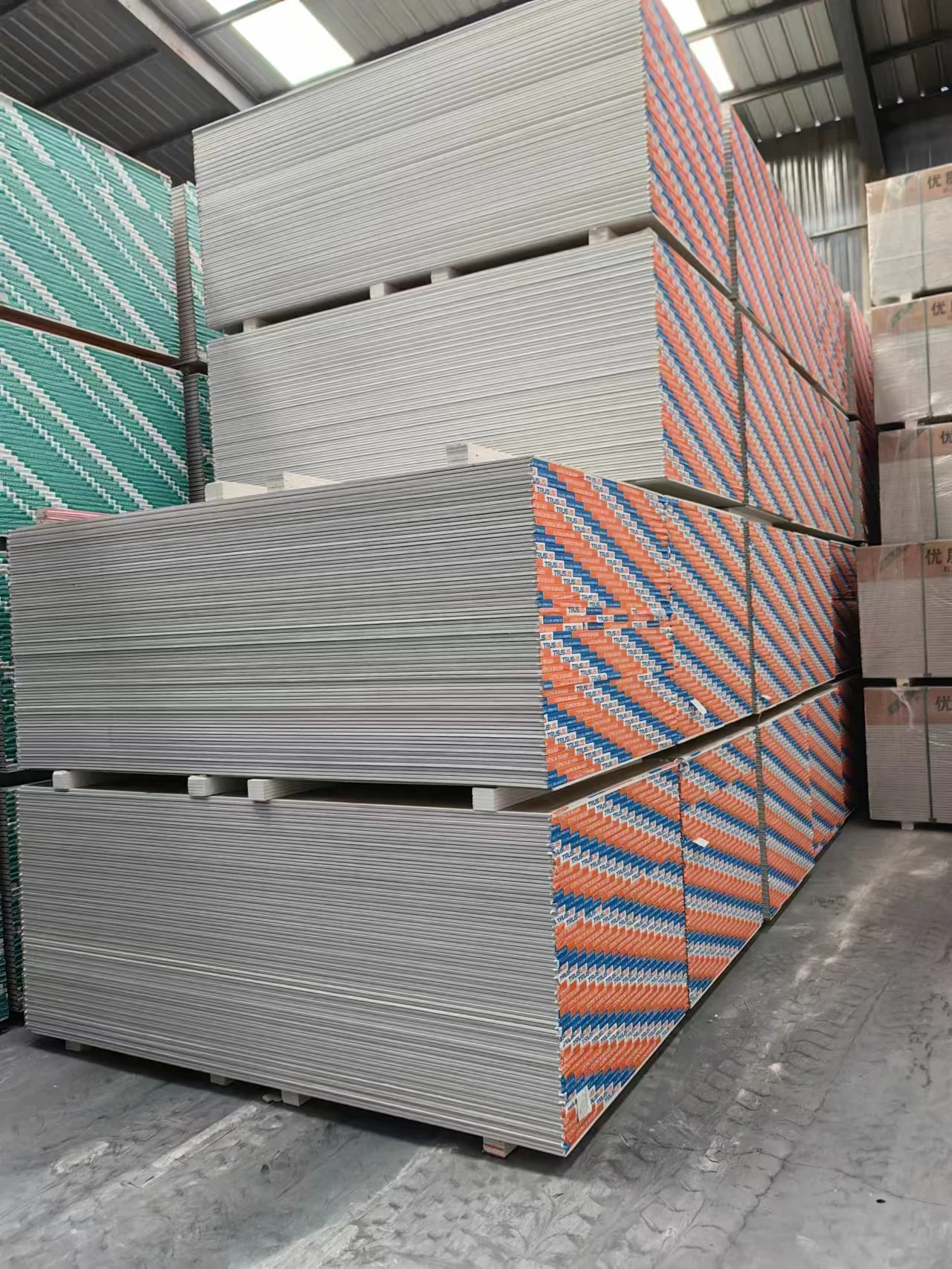
Over years manufacturing gypsum products, I’ve learned that its relevance never faded. Instead, it has grown stronger, powered by new technologies and sustainability goals that redefine how we build healthy and efficient indoor environments.
What Is the Future of Gypsum?
Some believe gypsum materials will eventually be replaced by advanced composites, yet the opposite trend is forming—a reinvention from conventional building panels to intelligent spatial systems.
The future of gypsum lies in innovation: fiber-reinforced cores, nanotech coatings, humidity-regulating additives, and energy-efficient systems transforming gypsum into a key material for sustainable, health-focused buildings.
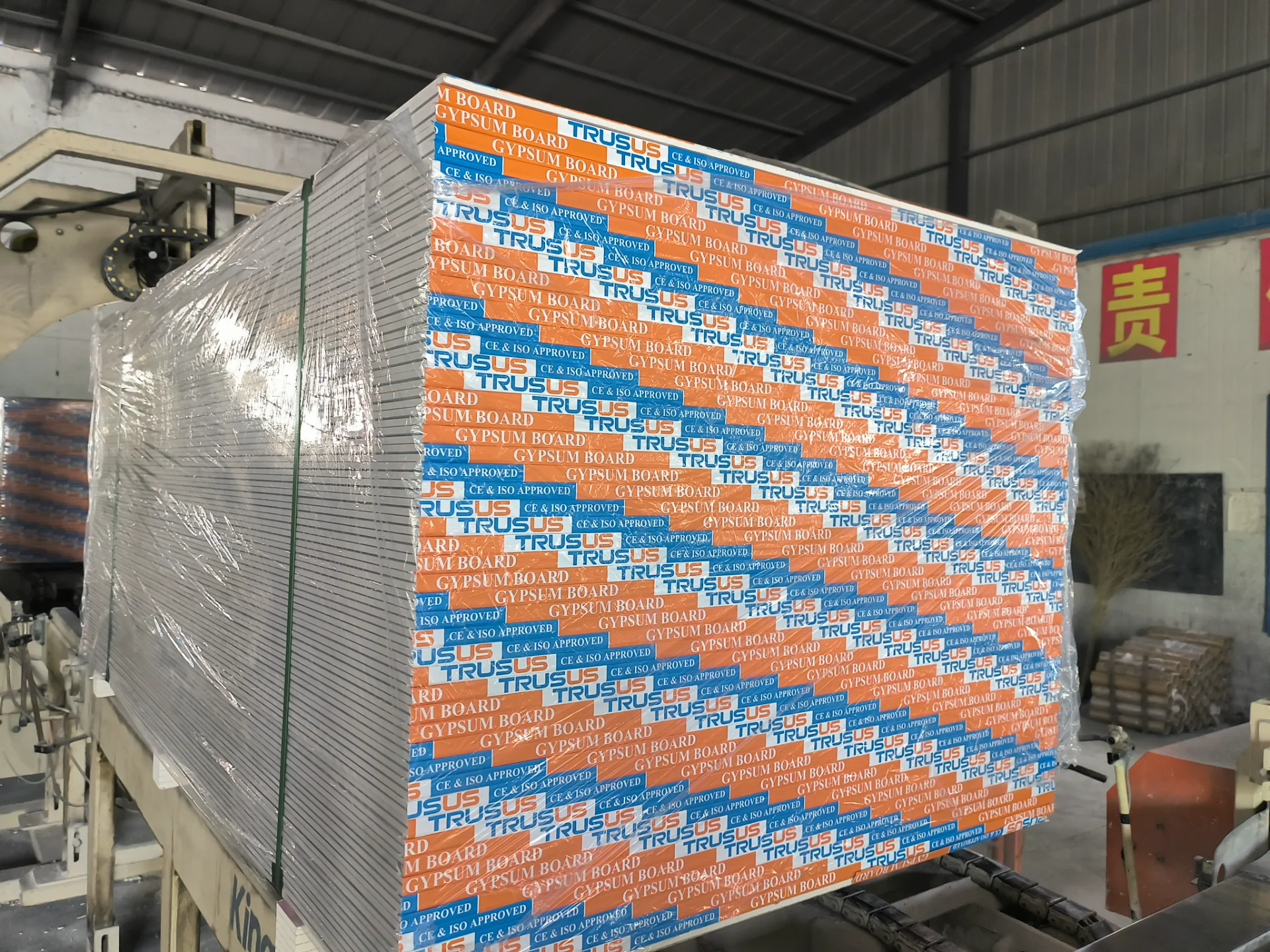
From Basic Material to Smart Building System
Across years in research and production, I’ve seen how gypsum evolves from passive material to active element within building ecosystems. Modern gypsum products now integrate diverse technologies to achieve environmental responsiveness and energy performance.
Enhanced Strength: Fiberglass reinforcement improves load resistance and reduces brittleness, extending board lifespan.
Moisture and Mold Resistance: Chemical surface treatments and nano-coatings help gypsum resist dampness, maintaining air quality in humid climates.
Thermal and Acoustic Regulation: Advanced gypsum boards incorporate microcapsules and sound-absorption layers, creating comfortable and quieter indoor spaces.
Circular Economy Integration: Gypsum recycling systems are allowing manufacturers to reuse material waste, reducing energy consumption and carbon footprint.
| Feature | Traditional Gypsum | Advanced Gypsum System | Benefit |
|---|---|---|---|
| Fire Resistance | Standard | Improved with additives | Safer buildings |
| Moisture Protection | Limited | Enhanced coating | Better hygiene |
| Recyclability | Slow progress | Closed-loop recycling | Lower carbon emission |
| Acoustic Control | Basic insulation | Built-in absorption | Quieter spaces |
| Climate Adaptation | Static | Active air and humidity control | Healthier environments |
These transformations show gypsum’s future not in replacement but in rebirth—becoming the connective tissue of smart, sustainable buildings.
Is Gypsum Still Used in Drywall?
Drywall and gypsum board often mean the same thing, which surprises some homeowners searching for “alternatives.” In fact, gypsum remains the dominant material in modern drywall systems globally.
Yes, gypsum is still the core component of drywall because it balances cost, strength, safety, and sustainability better than any competing material currently available.
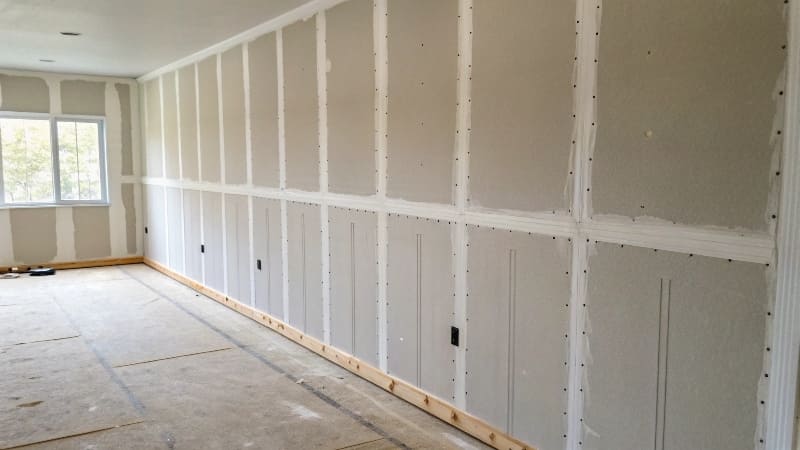
Why Gypsum Continues to Dominate Drywall Design
Having observed countless construction projects, I believe gypsum earns its place not through tradition but through proven performance integrated with modern demands.
1. Fire Protection: Gypsum’s crystal structure contains chemically bound water that releases as vapor under heat, slowing flame spread naturally.
2. Easy Adaptability: Boards cut, mold, and fix easily, providing design flexibility for varied forms, from partitions to curved ceilings.
3. Sustainability: Gypsum is recyclable and widely available, reducing dependence on finite materials and supporting closed-loop systems.
4. Compatibility: Works with steel frames, paints, acoustic layers, and lighting systems, ensuring overall design integration across building disciplines.
| Property | Role in Drywall | Advantage |
|---|---|---|
| Fire Resistance | Core safety | Extends evacuation time |
| Lightweight | Reduces load | Easier to install |
| Smooth Finish | Paint-ready surface | Saves finishing cost |
| Cost Effectiveness | Affordable globally | Keeps budgets lower |
| Eco-friendliness | Recyclable | Reduces waste |
While many “next-generation” wall materials appear, gypsum continues to evolve quietly behind the scenes, blending practicality with sustainability across residential and commercial construction.
What Is the Trend for Ceilings?
Ceiling design no longer focuses only on concealment or visual neatness—it now plays active roles in acoustics, lighting, and indoor climate control.
Current ceiling trends favor flexible, sustainable systems that combine aesthetics and performance. Gypsum-board ceilings lead this trend with sculpted forms, integrated lighting, sound absorption, and light-weight modular systems.

The Ceiling as the “Fifth Wall” of Architecture
In modern interior design, ceilings define atmosphere and technical performance. From retail stores to homes, I’ve seen gypsum board ceilings evolve from simple flat layers into dynamic environmental elements.
Aesthetic Integration: Designers treat the ceiling as an expressive surface through curves, recesses, and patterned panels achieved using flexible gypsum systems.
Acoustic Comfort: Micro-perforated gypsum tiles absorb sound, providing acoustic balance in classrooms, offices, and theaters.
Lighting Integration: Hidden LED channels and reflective textures transform ceilings into energy-efficient light diffusers enhancing spatial comfort.
Sustainable Materials: Lightweight boards reduce structural load and carbon impact, aligning with global green building certifications.
| Ceiling Type | Description | Trend Insight |
|---|---|---|
| Perforated Acoustic Ceiling | Panels with micro holes | Improves acoustics |
| Floating Ceiling | Layers and gaps for light effects | Adds depth and contrast |
| Moisture-Resistant Ceiling | Treated gypsum boards | Ideal for bathrooms or kitchens |
| Integrated Light Ceiling | LED channels built-in | Merges design and function |
| Recyclable Ceiling System | Made from reprocessed gypsum | Supports circular design |
Ceilings are now multifunctional architectural systems that help regulate comfort, light, and sound—areas where gypsum board continues to innovate and lead.
Conclusion
Gypsum board remains the industry standard for walls and ceilings worldwide. Its future depends on innovation, not replacement—enhanced strength, moisture control, and recyclability make it a cornerstone of sustainable construction. Gypsum continues as the key component of drywall, while modern ceiling trends showcase its versatility, turning simple panels into intelligent, functional design elements that support healthier and more adaptive living spaces.