



Gypsum board and related drywall material systems are highly eco-friendly due to their recyclable composition, low-energy production process, and use of synthetic gypsum from industrial byproducts. Modern gypsum board factory production also integrates false ceiling tiles, drop ceiling tiles, and gypsum ceiling tiles manufactured using sustainable techniques and closed-loop resource practices.
Gypsum board and plaster board materials contain 90-95% natural or synthetic gypsum with recyclable paper facing, making them 100% recyclable through specialized facilities operated by leading gypsum board companies. Modern production uses 25-30% recycled content, including synthetic gypsum from power plant scrubbers, reducing mining impacts by 40-60%. Manufacturing requires 75% less energy than cement-based alternatives with zero toxic emissions during production. Indoor air quality benefits include natural humidity regulation and zero formaldehyde emissions from high-quality plasterboard drywall. End-of-life recycling creates a closed-loop system where old gypsum boards become raw material for new production, achieving 95% material recovery rates.

From my extensive experience in gypsum board manufacturing and collaboration with several suspended ceiling companies, I've witnessed the industry's transformation toward circular economy principles. Modern gypsum board factories utilize industrial byproducts that would otherwise require landfill disposal, achieving near-zero waste and enhancing the sustainability of ceiling solutions such as ceiling design boards and drop ceiling grids.
Is Gypsum Safe for the Environment?
Gypsum is environmentally safe as a naturally occurring mineral that poses no groundwater contamination risks and even improves soil quality when properly managed — a key advantage for both construction and ceiling design board applications.
Natural gypsum and board gypsum consist of calcium sulfate dihydrate, creating pH-neutral material causing zero soil acidification. Groundwater testing shows no contamination from gypsum disposal sites, with calcium and sulfate acting as essential plant nutrients. Agricultural applications use gypsum as soil conditioner, improving soil structure and reducing erosion by 20–40%. Manufacturing emissions remain minimal, with only water vapor released during calcination. Landfill studies demonstrate complete environmental compatibility, as gypsum decomposes into beneficial soil amendments over time.
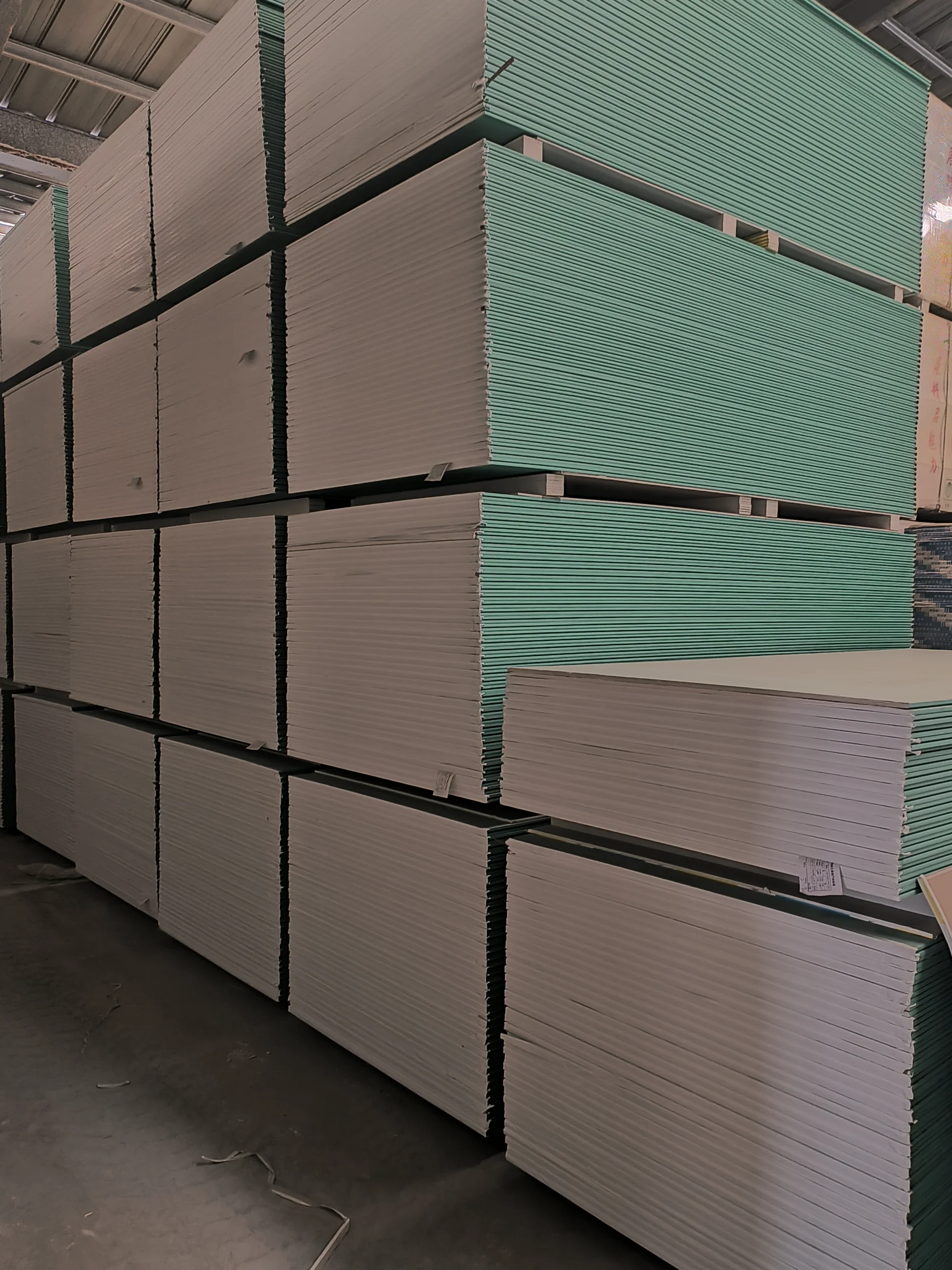
Soil and Water Impact Analysis
Gypsum demonstrates positive environmental effects across multiple ecological indicators, making it one of the most sustainable components used in plaster board and gypsum ceiling tiles production.
| Environmental Factor | Gypsum Impact | Scientific Evidence | Comparison to Alternatives | Long-term Benefits |
|---|---|---|---|---|
| Soil pH | Neutral (6.5–7.5) | Field studies | Better than lime | Stable buffering |
| Groundwater Quality | No contamination | 20-year monitoring | Superior to concrete | Zero leaching |
| Plant Growth | Enhanced nutrition | Agricultural trials | Calcium/sulfate supply | Improved yields |
| Erosion Control | 20–40% reduction | Watershed studies | Outperforms chemicals | Soil stabilization |
| Microbial Activity | Increased diversity | Soil biology research | Supports beneficial bacteria | Ecosystem health |
Lifecycle Environmental Assessment
Comprehensive lifecycle data from major gypsum board companies shows gypsum’s superior sustainability profile compared to cement-based and metal ceiling solutions.
| Lifecycle Stage | Environmental Impact | Energy Requirements | Emissions Profile | Waste Generation |
|---|---|---|---|---|
| Raw Material Extraction | Low (synthetic sources) | 40% less than cement | Minimal CO₂ | Near zero |
| Manufacturing | Very Low | 75% less than concrete | Water vapor only | <2% waste |
| Transportation | Moderate | Standard logistics | Fuel dependent | Packaging only |
| Installation | Minimal | No curing energy | Zero emissions | Trim waste |
| Use Phase | Beneficial | Energy savings | Indoor air improvement | Maintenance minimal |
| End-of-Life | Positive | Recycling energy | Zero landfill emissions | 95% recovery |
Gypsum board factory operations demonstrate the lowest environmental impact in their lifecycle among wall and ceiling materials.
Recycling and Circular Economy
The gypsum board recycling process strengthens the circular economy, especially when integrated with false ceiling tile and drop ceiling grid systems in construccion en seco (dry construction) architecture.
| Recycling Aspect | Current Performance | Industry Capacity | Environmental Benefit | Economic Value |
|---|---|---|---|---|
| Collection Rate | 15–25% (growing) | Expanding networks | Landfill diversion | $30–50/ton |
| Processing Efficiency | 95% material recovery | Advanced separation | Resource conservation | $40–70/ton |
| New Product Integration | 25–30% recycled content | Technical standards | Virgin material reduction | Cost savings |
| Quality Maintenance | Equivalent performance | Quality control | No degradation | Market acceptance |
| Scale Potential | 10× growth possible | Infrastructure development | Major impact potential | Industry transformation |
Processing efficiency of 95% material recovery positions gypsum board companies and suspended ceiling companies among the leaders in sustainable building materials worldwide.
What Are Eco-Friendly Plaster Options?
Eco-friendly plaster alternatives complement the environmental performance of gypsum board and plasterboard drywall, offering low-impact options for wall and ceiling finishing under various ceiling solutions.
Clay plasters provide zero-emission natural finishes using locally sourced earth materials. Lime plasters offer antimicrobial properties with carbon dioxide reabsorption, while gypsum-based plasters deliver rapid application and excellent recyclability. Bio-based plasters (with hemp, straw, etc.) achieve carbon-negative results. When combined with gypsum ceiling tiles, drop ceiling tiles, or price PVC ceiling panels, they form hybrid ecological ceiling systems with outstanding performance.
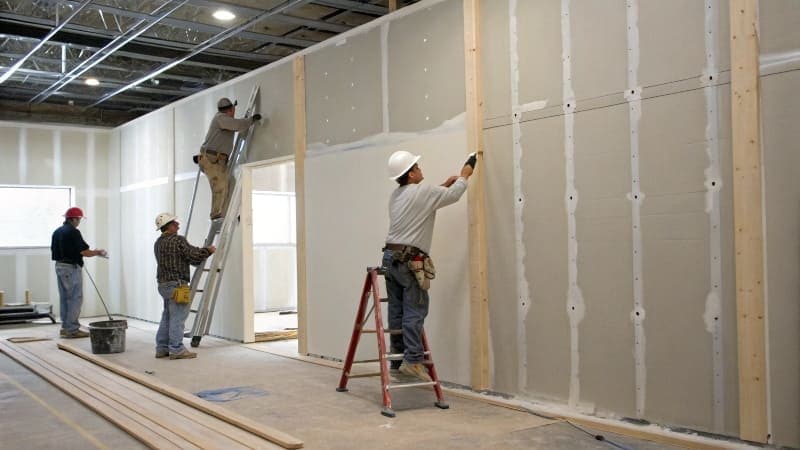
Natural Plaster Performance Comparison
| Plaster Type | Environmental Score | Durability Rating | Application Ease | Cost Factor | Performance Benefits |
|---|---|---|---|---|---|
| Clay/Earth | Excellent | Good | Moderate | Low | Humidity regulation |
| Lime-Based | Excellent | Excellent | Difficult | Medium | Antimicrobial |
| Gypsum-Based | Very Good | Good | Excellent | Low | Fast application |
| Hemp/Bio | Outstanding | Good | Moderate | High | Carbon sequestration |
| Recycled Content | Very Good | Good | Good | Medium | Waste diversion |
Gypsum-based plaster board and recycled gypsum boards offer high sustainability with minimal embodied energy, suitable for ceiling design boards and interior partitions.
What Is the Most Eco-Friendly Wall Material?
Rammed earth, hemp-crete, and recycled gypsum board are among the most eco-friendly wall materials based on embodied energy, recyclability, and lifecycle impact. Many gypsum board factories and suspended ceiling companies now integrate eco-friendly gypsum boards with drop ceiling grids and false ceiling tiles to achieve holistic sustainability.
| Wall Material | Embodied Energy (MJ/m²) | Carbon Footprint (kg CO₂/m²) | Recyclability (%) | Durability (years) | Eco-Score |
|---|---|---|---|---|---|
| Rammed Earth | 45–65 | 8–15 | 100% | 100+ | 9.5/10 |
| Hemp-Crete | 125–175 | -45 to -25 | 100% | 100+ | 9.8/10 |
| Recycled Gypsum | 185–225 | 35–55 | 95% | 50+ | 8.5/10 |
| Straw Bale | 95–135 | 25–45 | 90% | 75+ | 8.8/10 |
| Reclaimed Wood | 155–195 | -15 to +5 | 85% | 50+ | 8.2/10 |
| Conventional Concrete | 450–650 | 185–225 | 30% | 100+ | 4.5/10 |
Climate and Regional Suitability
Climate zones determine which materials — such as board gypsum, drop ceiling grid, or plasterboard drywall — perform best under sustainability criteria.
| Climate Zone | Primary Recommendation | Secondary Options | Key Considerations | Performance Factors |
|---|---|---|---|---|
| Arid/Desert | Rammed earth | Adobe, gypsum boards | Thermal mass | Moisture protection |
| Temperate | Hemp-crete | Straw bale, reclaimed wood | Insulation performance | Freeze-thaw cycles |
| Humid Subtropical | Recycled gypsum board | Lime plaster | Mold resistance | Vapor permeability |
| Cold/Northern | Straw bale | Gypsum board + insulation | Thermal performance | Air sealing |
| Coastal | Lime-based materials | Recycled gypsum/ceiling boards | Salt resistance | Corrosion protection |
Regional availability and ceiling system compatibility — such as price PVC ceiling panel and ceiling design board — determine optimal sustainable integration in construccion en seco (dry construction).
Conclusion
Gypsum board and drywall material are eco-friendly, containing 90–95% natural or synthetic gypsum with recyclable paper facing. Modern gypsum board companies and factories utilize 25–30% recycled content and require 75% less energy than cement-based alternatives. Gypsum ceiling tiles, drop ceiling tiles, and false ceiling tiles are produced under ceiling solutions that emit zero toxins. Gypsum board is environmentally safe with neutral pH, beneficial for soil and water systems. Eco-friendly plaster board materials such as clay and lime complement gypsum boards, while recycled gypsum board achieves 90% material recovery with excellent performance in plasterboard drywall applications. In sustainable building, combining board gypsum systems, drop ceiling grids, and price PVC ceiling panels within integrated suspended ceiling company designs results in long-term environmental and economic advantages for both residential and commercial construccion en seco projects.
The path to sustainable architecture lies in combining gypsum-based ceiling solutions with locally optimized eco-materials — ensuring ecological integrity and superior performance across modern green buildings.