



Handle and store gypsum board in a dry, covered, and ventilated environment, raised off the ground by at least 8 cm. Stack flat, not upright, and cover with a breathable moisture-resistant sheet.
TRUSUS insight: in humid Guyana, handling equals protection—every move shapes performance.
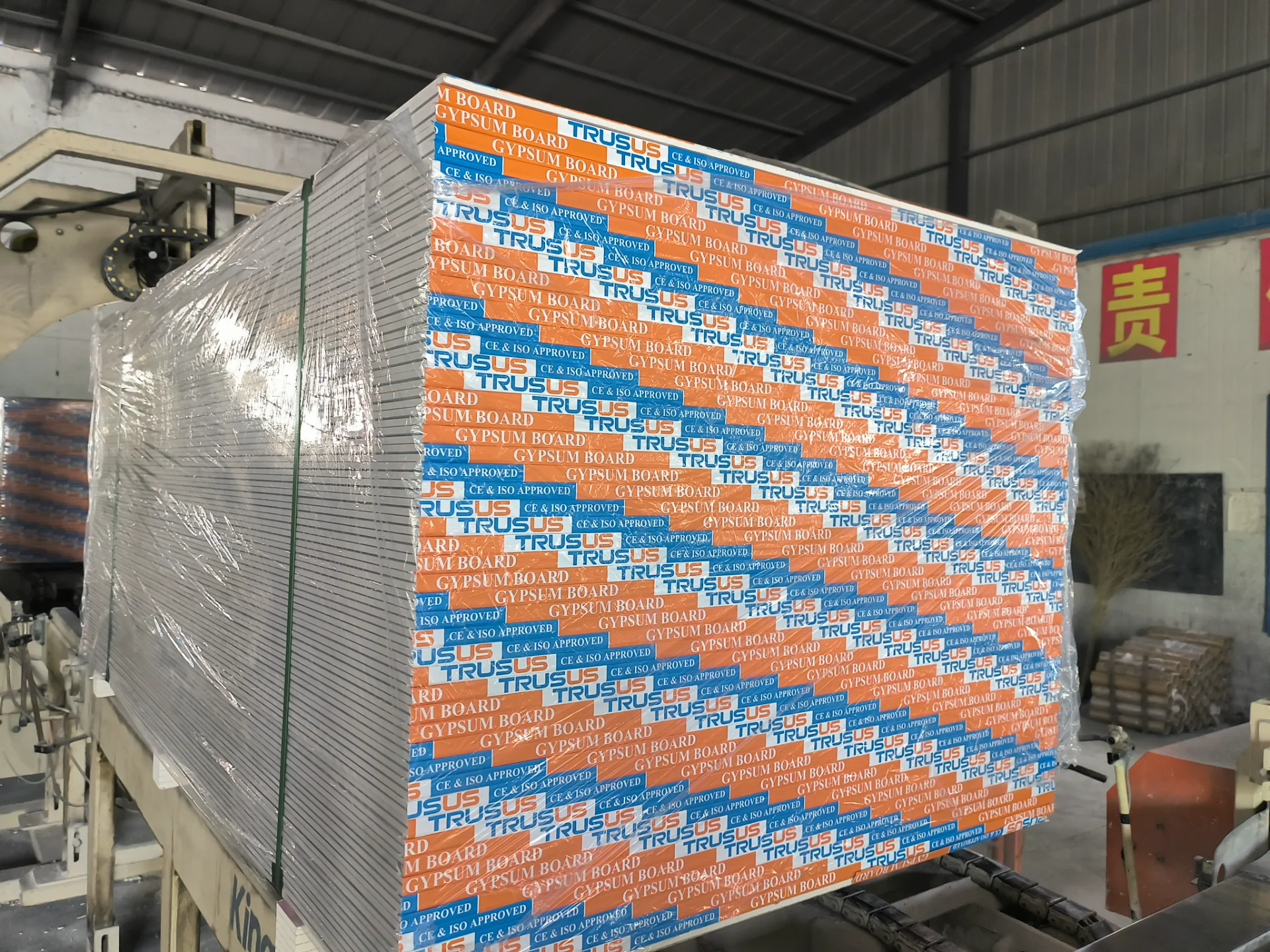
Handling is not only transport—it is part of the environmental system design. Stable humidity and correct storage angles help preserve board strength and smoothness through every installation stage.
Can I Transport Light Steel Framing in a Standard Guyana Flatbed Truck?
Yes, you can transport light steel framing in a standard flatbed truck, but secure it horizontally and protect it from moisture, salt air, and vibration with straps, corner padding, and a non-contact rain cover.
logistics insight: capacity is simple—protection defines professionalism.
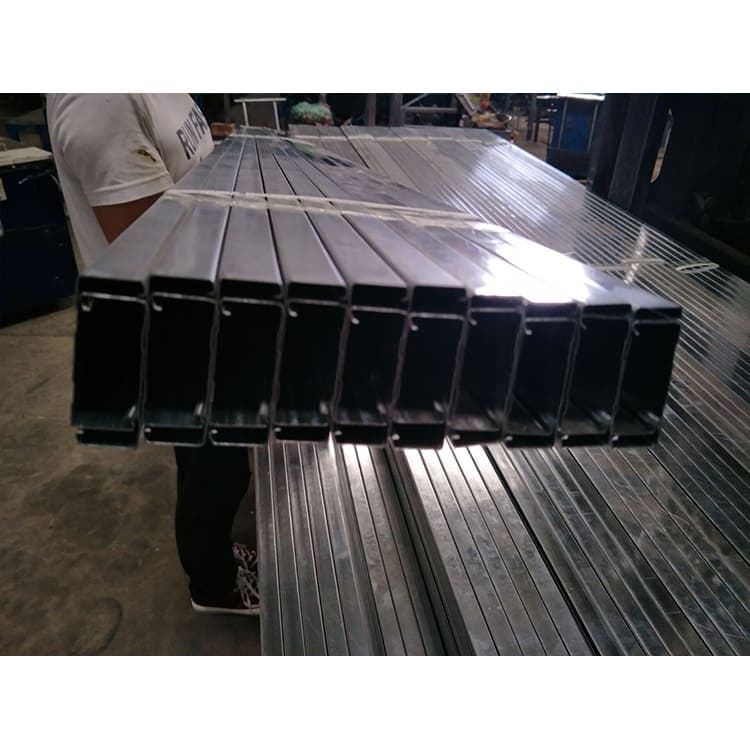
Flatbed Transport Guidelines
| Step | Requirement | Purpose | Risk if Ignored |
|---|---|---|---|
| 1 | Level stacking | Maintain shape | Bending deformation |
| 2 | Non-metal straps | Avoid edge cuts | Frame scratches |
| 3 | Rain tarp with air gap | Prevent condensation | Water stains, rust |
| 4 | Cushion at contact points | Distribute load | Compression marks |
Environmental Factor Table
| Factor | Effect | Solution |
|---|---|---|
| Coastal humidity | Promotes corrosion | Use anticorrosion coating |
| Frequent rainfall | Moisture intrusion | Temporary tarp shelter |
| Road vibration | Frame alignment shift | Secure with corner ties |
Transporting light steel is not about moving parts but preserving geometry—when geometry holds, structure performs.
How to Protect Building Materials from Rain During Guyana Logistics?
Protect building materials by combining physical covers and environmental spacing. Use waterproof but breathable tarps, create raised pallets for airflow, and ensure sloped drainage wherever materials rest.
field insight: in Guyana, rain is not a surprise—it is a design condition.
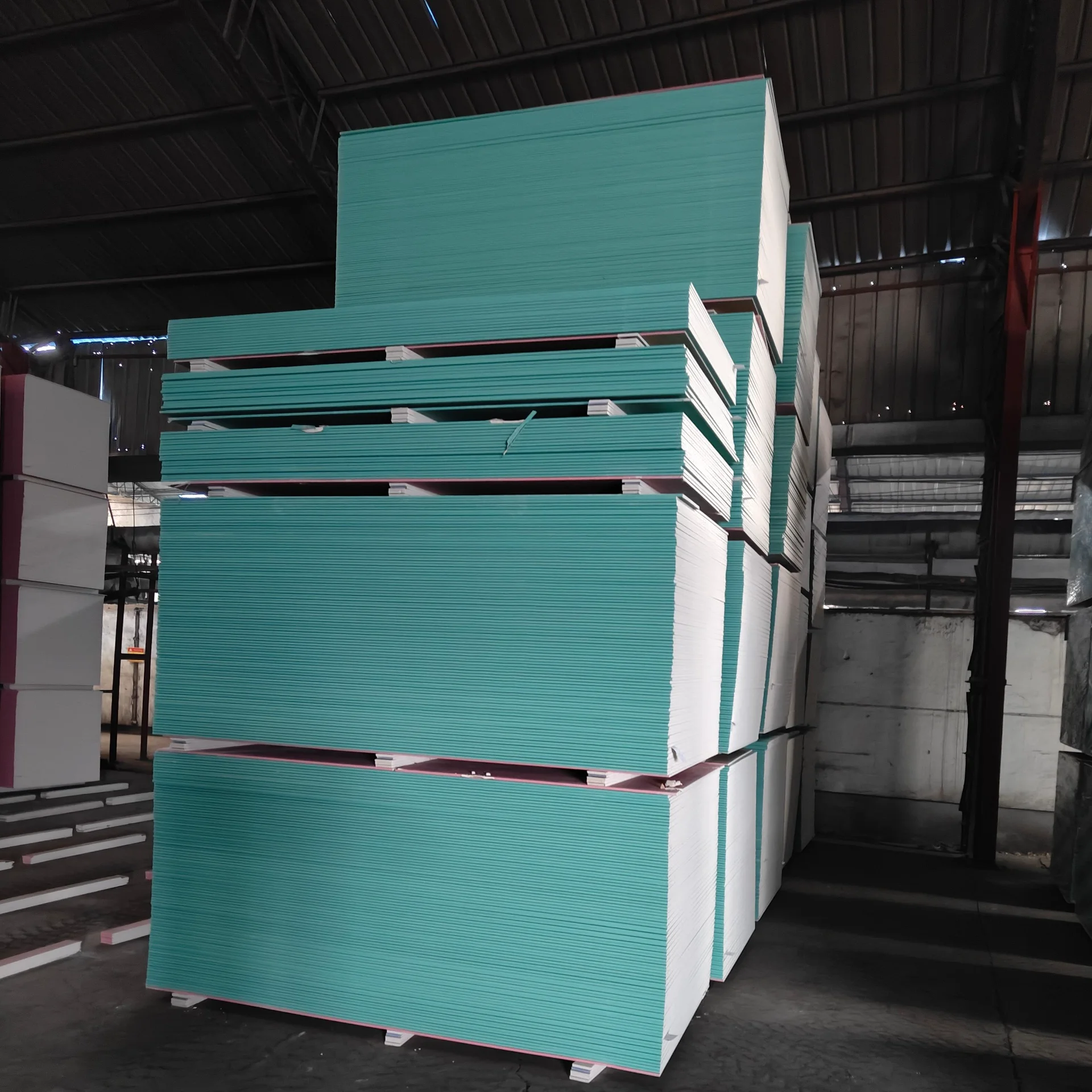
Rain Protection Measures
| Material Type | Primary Risk | Protection Method | Key Condition |
|---|---|---|---|
| Gypsum Board | Edge moisture | Cover + ventilation layer | No direct tarp contact |
| Steel Framing | Surface corrosion | Plastic wrap + airflow gap | Dry before covering |
| Cement Board | Capillary soaking | Pallet base + breathable film | Drain slope below storage |
Protective Design Logic
| Zone | Setup | Purpose |
|---|---|---|
| Loading Area | Temporary canopy | Protection during delays |
| Transportation | Water-resistant tarp | Control rain penetration |
| Storage Zone | Elevated foundation | Prevent underfloor moisture |
Protection from rain in Guyana is not about covering—it’s about controlling airflow and condensation.
How to Calculate the Weight of a Gypsum Board Pallet for Transport?
You can calculate pallet weight by multiplying board weight per square meter × board size × quantity, then adding pallet packaging (~20–30 kg). For a pallet of 40 sheets (12.5 mm thickness, 1200 × 2400 mm), weight is about 1000 kg.
logistics insight: weight is more than a number—it’s part of structural safety planning.
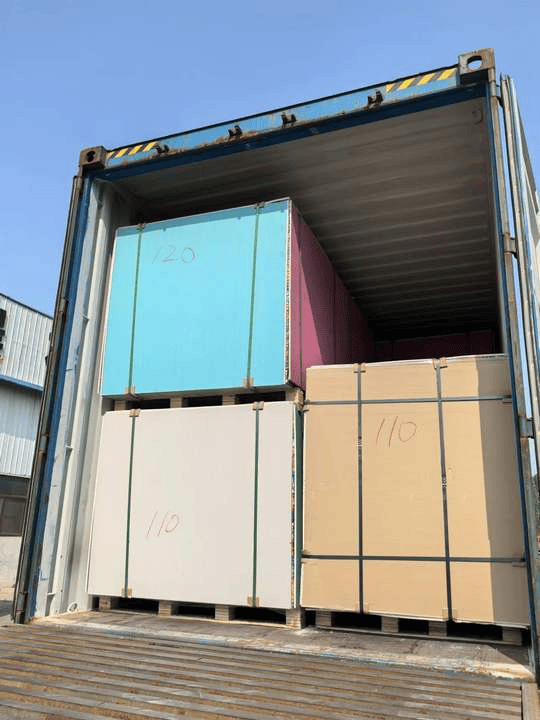
Weight Calculation Table
| Gypsum Board Type | Size (mm) | Thickness (mm) | Weight per Sheet (kg) | 40-Sheet Pallet (kg) |
|---|---|---|---|---|
| Standard | 1200 × 2400 | 12.5 | 23–25 | 920–1000 |
| Fire Resistant | 1200 × 2400 | 15 | 28–30 | 1140–1200 |
| Moisture Resistant | 1200 × 2400 | 12.5 | 24–26 | 960–1040 |
Pallet Planning Factors
| Factor | Description | Design Implication |
|---|---|---|
| Truck Capacity | Weight per axle | Use 2–3 pallets per truck section |
| Loading Method | Forklift or crane band | Prevent edge cracking |
| Unloading Surface | Level and dry | Prevent stress bending |
Accurate weight planning avoids overload and ensures that every pallet stays intact from plant to project.
Conclusion
Transport and storage in Guyana’s humid, coastal climate demand an environmental approach. TRUSUS believes that quality control starts before installation—by handling, transporting, and storing materials as climate systems, we convert weather risks into long-term stability. When we manage rain, balance weight, and seal seams properly, we don’t just deliver materials—we sustain performance across the entire building lifecycle.