



Acoustic plasterboard typically ranges from 12.5-15mm (0.5-0.6 inches) thickness, featuring high-density gypsum cores and specialized additives that enhance sound transmission loss compared to standard 9.5-12.5mm plasterboard while maintaining workability and structural performance.
Standard acoustic plasterboard measures 12.5mm thickness with high-density gypsum core providing enhanced mass for sound attenuation properties. Premium acoustic versions reach 15mm featuring specialized additives and damping compounds improving sound transmission class ratings. Density ranges 900-1200 kg/m³ compared to standard plasterboard at 700-900 kg/m³ creating better acoustic performance. Multi-layer constructions combine thinner sheets totaling 25-50mm system thickness when multiple boards are layered. Manufacturing incorporates sound-damping materials like viscoelastic polymers and mineral fibers enhancing acoustic properties beyond thickness alone.
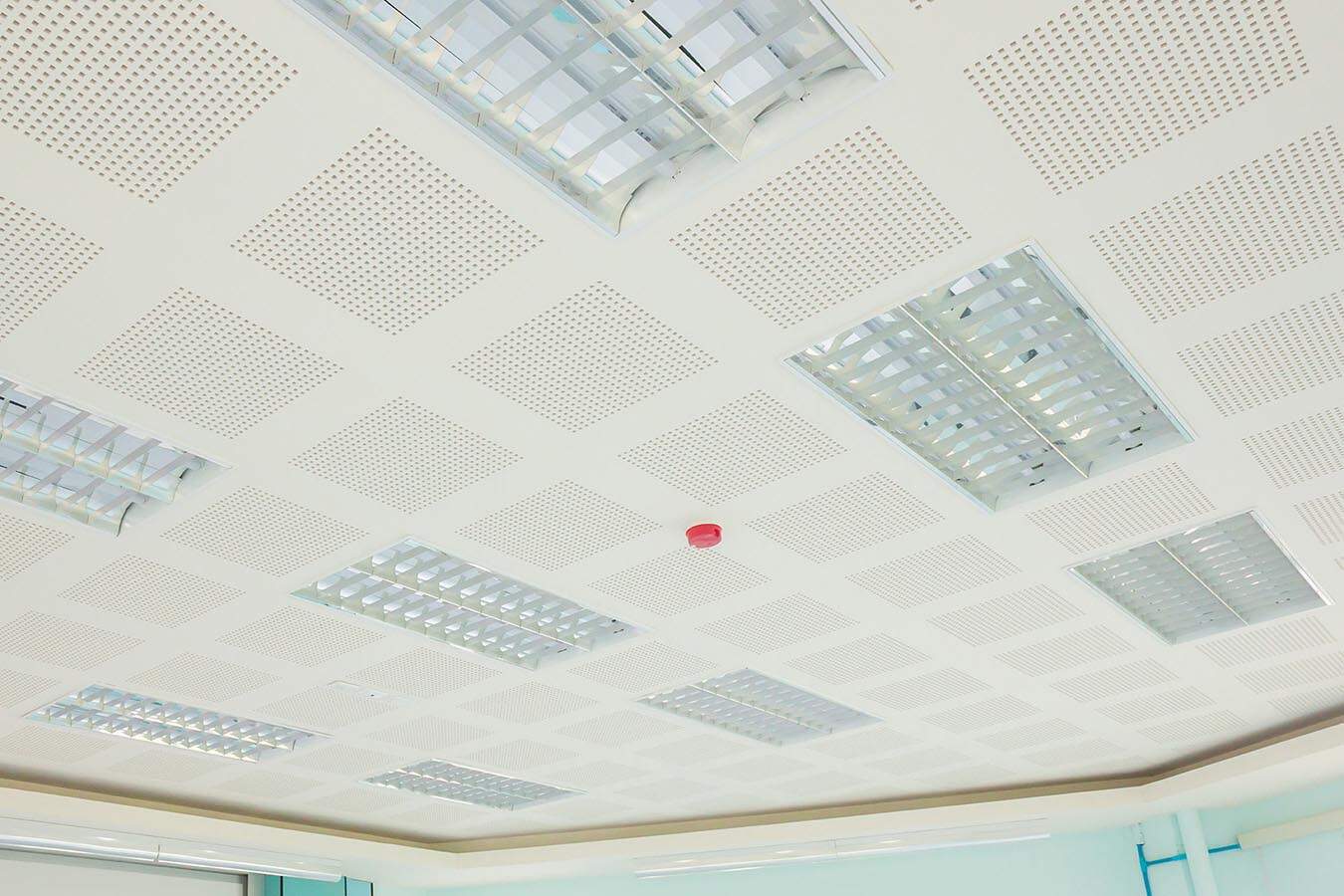
From my extensive experience in gypsum board manufacturing, I've observed that acoustic performance depends more on material composition and system design than thickness alone, though increased mass certainly contributes to sound transmission loss.
Are Thicker Acoustic Panels Better?
Thicker acoustic panels generally provide better sound transmission loss following the mass law principle, but optimal performance requires balancing thickness with system design, installation quality, and cost considerations rather than simply maximizing panel thickness alone.
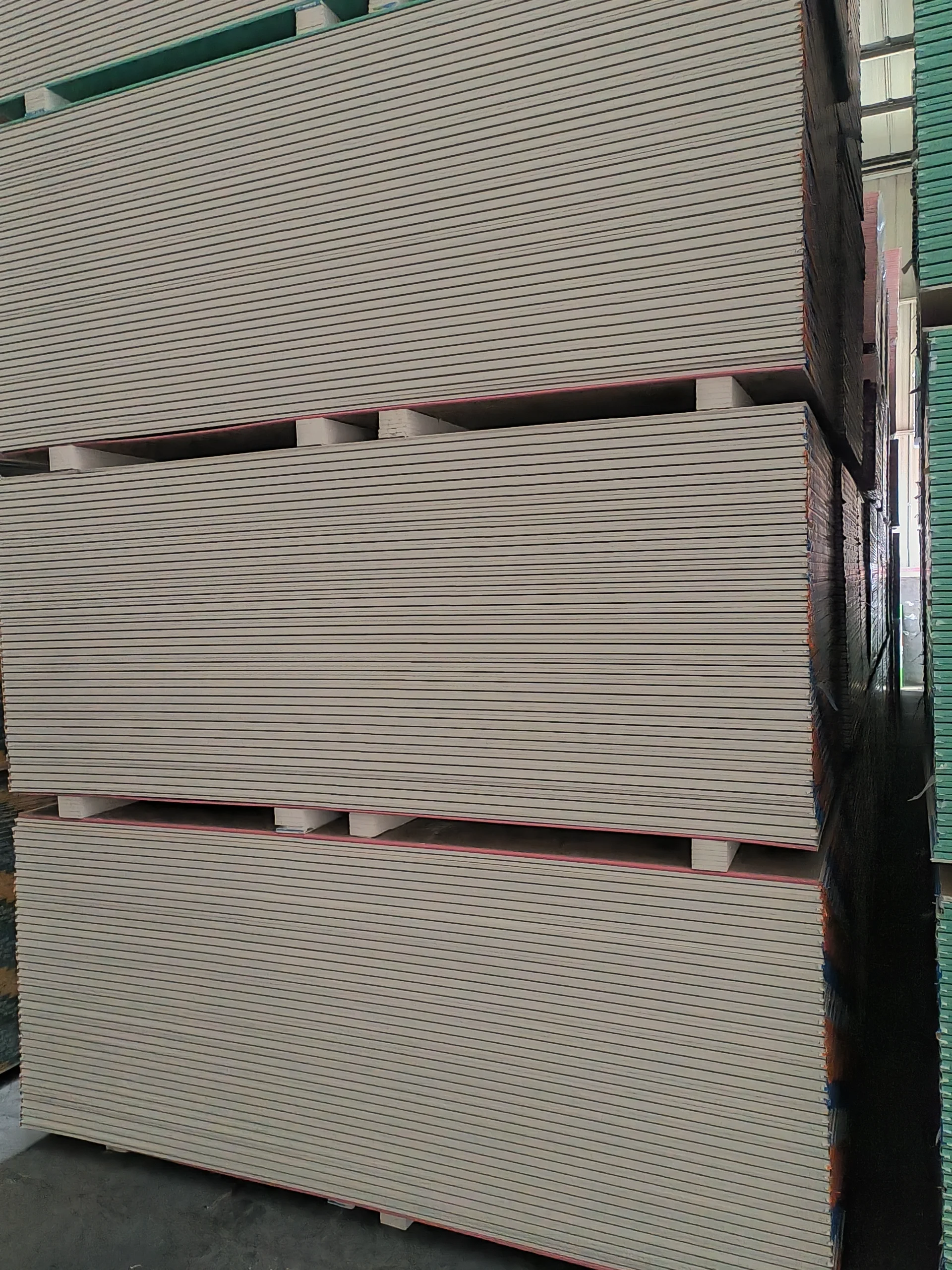
Mass law physics shows 6dB improvement per doubling of panel mass creating measurable sound reduction benefits. Thicker panels provide higher STC ratings typically increasing 2-4 points per 3mm thickness increase within practical limits. Diminishing returns occur beyond 25mm where additional thickness provides minimal benefit compared to cost increases. System performance depends on cavity design with thicker panels requiring proper framing and structural support systems. Installation complexity increases with thickness affecting cutting, handling, and fastening requirements.
Sound Transmission Loss Analysis
Acoustic performance improvements correlate with panel thickness following predictable physical principles.
| Panel Thickness | STC Rating Range | Weight (kg/m²) | Sound Reduction | Cost Factor |
|---|---|---|---|---|
| 9.5mm Standard | STC 35-40 | 8-10 kg/m² | Baseline performance | 1.0x |
| 12.5mm Acoustic | STC 42-47 | 11-13 kg/m² | 4-7 dB improvement | 1.3-1.5x |
| 15mm High-Density | STC 45-50 | 14-16 kg/m² | 7-10 dB improvement | 1.6-2.0x |
| 19mm Premium | STC 48-53 | 17-20 kg/m² | 10-13 dB improvement | 2.2-2.8x |
| 25mm Multi-Layer | STC 50-55 | 22-25 kg/m² | 13-15 dB improvement | 3.0-4.0x |
15mm high-density panels provide the best balance of acoustic performance and practical installation requirements.
Performance vs. Cost Analysis
Economic considerations influence optimal acoustic panel thickness selection for different applications.
| Application Type | Recommended Thickness | Performance Priority | Budget Considerations | Installation Factors |
|---|---|---|---|---|
| Residential Walls | 12.5-15mm | Moderate requirements | Cost-sensitive | Standard framing |
| Commercial Offices | 15-19mm | High performance | Moderate budget | Enhanced structure |
| Recording Studios | 19-25mm | Maximum isolation | Premium investment | Specialized systems |
| Healthcare Facilities | 15-19mm | Privacy compliance | Regulated standards | Code requirements |
| Educational Buildings | 12.5-15mm | Learning environment | Public funding | Maintenance concerns |
Commercial offices typically justify premium thickness investments for productivity and privacy benefits.
System Integration Considerations
Acoustic panel performance depends on comprehensive wall system design beyond individual panel thickness.
| System Component | Thickness Impact | Performance Contribution | Design Considerations | Cost Implications |
|---|---|---|---|---|
| Cavity Insulation | Independent factor | 5-10 dB improvement | Material selection | Moderate cost |
| Framing Design | Structural support | Vibration isolation | Engineering requirements | Significant cost |
| Sealing Quality | Installation detail | Flanking prevention | Workmanship standards | Labor intensive |
| Double-Wall Systems | Multiplied thickness | Maximum performance | Space requirements | Premium investment |
| Resilient Channels | Decoupling method | 3-8 dB improvement | Installation complexity | Moderate cost |
Cavity insulation often provides better cost-effectiveness than increased panel thickness alone.
What is the Best Thickness for Soundproofing?
The best thickness for soundproofing is typically 15-19mm for single-layer acoustic plasterboard systems, providing STC ratings of 45-50 while balancing performance, cost, and installation practicality, with double-layer systems using 2×12.5mm achieving superior results.
15mm single-layer systems achieve STC 45-50 providing excellent residential performance with manageable installation requirements. Double-layer 12.5mm configurations reach STC 50-55 offering premium acoustic isolation through mass increase and damping. 19mm premium panels maximize single-layer performance but require enhanced framing and specialized fasteners. System design considerations include stud spacing and cavity treatment affecting overall acoustic performance. Cost-benefit analysis favors 15mm for most commercial applications balancing performance and economics.

Application-Specific Thickness Recommendations
Different building types and noise control requirements determine optimal acoustic panel thickness selection.
| Building Application | Optimal Thickness | Target STC Rating | Noise Control Goals | Regulatory Requirements |
|---|---|---|---|---|
| Single-Family Homes | 12.5-15mm | STC 40-45 | Basic privacy | Building code minimums |
| Multi-Family Housing | 15-19mm | STC 45-50 | Neighbor isolation | Enhanced standards |
| Office Buildings | 15mm standard | STC 42-47 | Speech privacy | Workplace standards |
| Hotels/Hospitality | 15-19mm | STC 50-55 | Guest comfort | Industry standards |
| Healthcare Facilities | 15-19mm | STC 45-52 | Patient privacy | HIPAA compliance |
Multi-family housing requires the most stringent thickness specifications due to privacy and comfort standards.
Performance Optimization Strategies
Maximizing acoustic performance involves system-level approaches beyond simple thickness increases.
| Optimization Method | Thickness Requirement | Performance Gain | Implementation Cost | Technical Complexity |
|---|---|---|---|---|
| High-Density Panels | 12.5-15mm | 3-5 STC points | Moderate premium | Standard installation |
| Double-Layer Systems | 2×12.5mm | 8-12 STC points | Significant cost | Enhanced framing |
| Resilient Mounting | Standard thickness | 5-10 STC points | Moderate cost | Specialized details |
| Cavity Optimization | Any thickness | 5-8 STC points | Material cost only | Standard methods |
| Sealing Enhancement | Standard thickness | 3-6 STC points | Labor intensive | Quality control |
Double-layer systems provide the highest performance gains but require comprehensive design integration.
Economic Analysis by Thickness
Cost-effectiveness evaluation helps determine optimal thickness for specific project requirements and budgets.
| Thickness Option | Material Cost | Installation Cost | Performance Value | Lifecycle Benefits |
|---|---|---|---|---|
| 12.5mm Standard | $1.20-1.50/m² | Standard labor | Baseline STC | Adequate performance |
| 15mm Acoustic | $1.80-2.20/m² | Standard labor | 4-7 STC improvement | Good value proposition |
| 19mm Premium | $2.40-3.00/m² | Enhanced labor | 7-10 STC improvement | Premium applications |
| Double 12.5mm | $2.40-3.00/m² | Complex labor | 8-12 STC improvement | Maximum performance |
| 25mm Composite | $3.50-4.50/m² | Specialized labor | 10-15 STC improvement | Specialized applications |
15mm acoustic panels typically provide the best balance of cost and performance for most applications.
Is Acoustic Plasterboard Expensive?
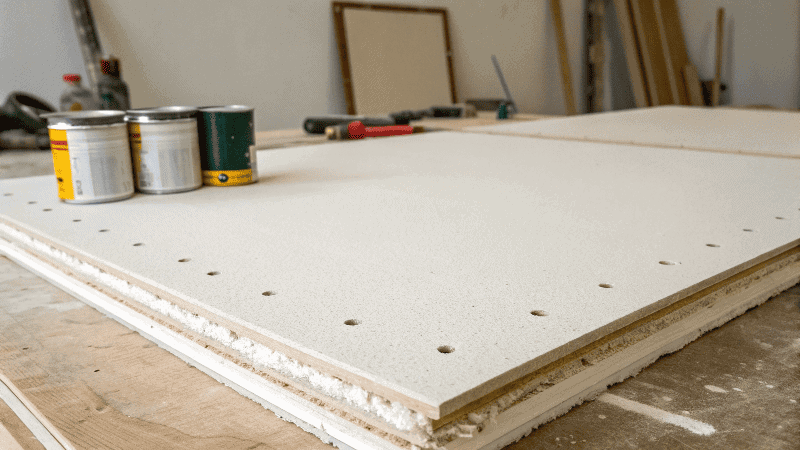
Acoustic plasterboard costs 30-100% more than standard plasterboard, ranging from $1.80-4.50 per square meter depending on thickness and performance specifications, but provides excellent value considering acoustic performance benefits and installation simplicity compared to complex soundproofing systems.
Standard acoustic plasterboard costs $1.80-2.50/m² compared to regular plasterboard at $1.20-1.80/m² representing 30-50% premium pricing. High-performance variants reach $3.00-4.50/m² for premium density and specialized formulations. Installation costs remain similar to standard plasterboard requiring no specialized labor or complex techniques. System-level cost comparison shows value when compared to alternative soundproofing methods requiring multiple materials and components. Long-term value includes energy savings through thermal performance and reduced maintenance requirements.
Cost Comparison by Product Grade
Different acoustic plasterboard specifications create varying price points and performance levels.
| Product Grade | Price Range ($/m²) | Performance Level | Target Applications | Value Proposition |
|---|---|---|---|---|
| Basic Acoustic | $1.80-2.20 | STC 40-45 | Residential upgrade | Affordable improvement |
| Standard Acoustic | $2.20-2.80 | STC 45-50 | Commercial standard | Balanced performance |
| High-Performance | $2.80-3.50 | STC 50-55 | Premium applications | Maximum single-layer |
| Specialty Formulations | $3.50-4.50 | STC 55+ | Critical acoustics | Specialized solutions |
| Multi-Layer Systems | $4.00-6.00 | STC 55-60 | Ultimate performance | Premium investment |
Standard acoustic grade provides optimal cost-effectiveness for most commercial and high-end residential applications.
Alternative System Cost Analysis
Comparing acoustic plasterboard to other soundproofing methods reveals competitive pricing advantages.
| Soundproofing Method | Material Cost | Labor Cost | Total System Cost | Performance Level |
|---|---|---|---|---|
| Acoustic Plasterboard | $2.20-2.80/m² | $15-20/m² | $17.20-22.80/m² | STC 45-50 |
| Mass Loaded Vinyl | $8-15/m² | $25-35/m² | $33-50/m² | STC 25-30 |
| Double-Wall Systems | $12-18/m² | $40-60/m² | $52-78/m² | STC 55-65 |
| Acoustic Panels + Drywall | $15-25/m² | $30-45/m² | $45-70/m² | STC 40-50 |
| Resilient Channel Systems | $8-12/m² | $35-50/m² | $43-62/m² | STC 48-55 |
Acoustic plasterboard offers the lowest total system cost while providing competitive acoustic performance.
Project-Scale Economics
Larger projects achieve better pricing through volume discounts and installation efficiencies.
| Project Scale | Material Discount | Installation Efficiency | Total Cost Reduction | Minimum Quantities |
|---|---|---|---|---|
| Small Residential | 0-5% | Standard rates | Baseline pricing | <500 m² |
| Large Residential | 5-10% | Slight improvement | 3-7% savings | 500-2000 m² |
| Commercial Projects | 10-20% | Improved efficiency | 8-15% savings | 2000-5000 m² |
| Major Developments | 15-25% | Maximum efficiency | 12-20% savings | 5000+ m² |
| Bulk Purchasing | 20-30% | Contract rates | 15-25% savings | Annual contracts |
Commercial-scale projects achieve significant cost advantages through volume purchasing and installation efficiencies.
Value Engineering Considerations
Acoustic plasterboard provides multiple benefits beyond sound control affecting overall project value.
| Benefit Category | Value Contribution | Quantifiable Impact | Cost Avoidance | Long-term Benefits |
|---|---|---|---|---|
| Fire Resistance | Building code compliance | Reduced fire rating costs | $2-5/m² savings | Insurance benefits |
| Thermal Performance | Energy efficiency | 5-10% HVAC savings | Ongoing utility savings | Sustainability credits |
| Installation Speed | Schedule compression | Faster project completion | Labor cost reduction | Earlier occupancy |
| Maintenance Requirements | Durability benefits | Reduced replacement needs | Lifecycle cost savings | Asset value retention |
| Multi-Function Performance | System integration | Simplified construction | Design cost reduction | Operational efficiency |
Multi-function performance often justifies premium pricing through comprehensive building system benefits.
Conclusion
Acoustic plasterboard typically measures 12.5-15mm thickness featuring high-density gypsum cores and specialized additives providing enhanced sound transmission loss compared to standard 9.5-12.5mm plasterboard with density ranging 900-1200 kg/m³ and manufacturing incorporating sound-damping materials like viscoelastic polymers. Thicker acoustic panels generally provide better performance following mass law principles with 6dB improvement per doubling but optimal results require balancing thickness with system design and cost considerations rather than maximizing thickness alone. The best thickness for soundproofing is 15-19mm for single-layer systems achieving STC 45-50 while double-layer 12.5mm configurations reach STC 50-55 providing excellent performance through mass increase and damping with cost-benefit analysis favoring 15mm for most applications. Acoustic plasterboard costs 30-100% more than standard plasterboard at $1.80-4.50 per square meter but provides excellent value considering acoustic performance benefits and installation simplicity compared to complex alternative soundproofing systems. Success with acoustic plasterboard selection requires understanding that performance depends on comprehensive system design including cavity treatment, framing methods, and installation quality, with thickness optimization balanced against cost considerations and recognition that acoustic comfort significantly impacts building value, occupant satisfaction, and long-term operational efficiency in residential, commercial, and institutional applications.