



You can identify termite damage in drywall by soft spots, bubbling paint, small holes, and hollow tapping sounds. These signs usually appear when termites travel behind paper layers or wooden studs connected to the gypsum panel.
insight: damage hides inside walls long before you can see it.
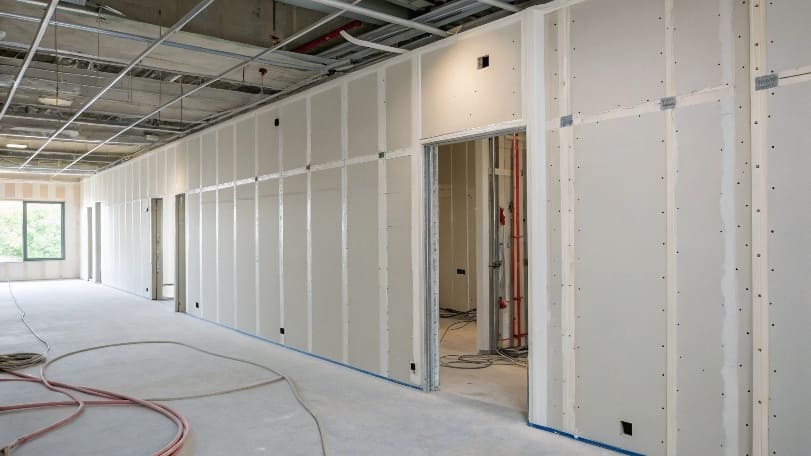
Termites prefer dark, moist, protected areas, and drywall’s paper surface and wooden framing make it a perfect access point even if the gypsum core itself is not eaten.
Does Termite Eat Gypsum Board?
No, termites do not eat gypsum board itself. They consume the paper lining or wooden structures nearby, slowly spreading across damp joints and framing zones. The gypsum core is inorganic and unattractive to them.
durability insight: termites eat what supports drywall, not the drywall core.
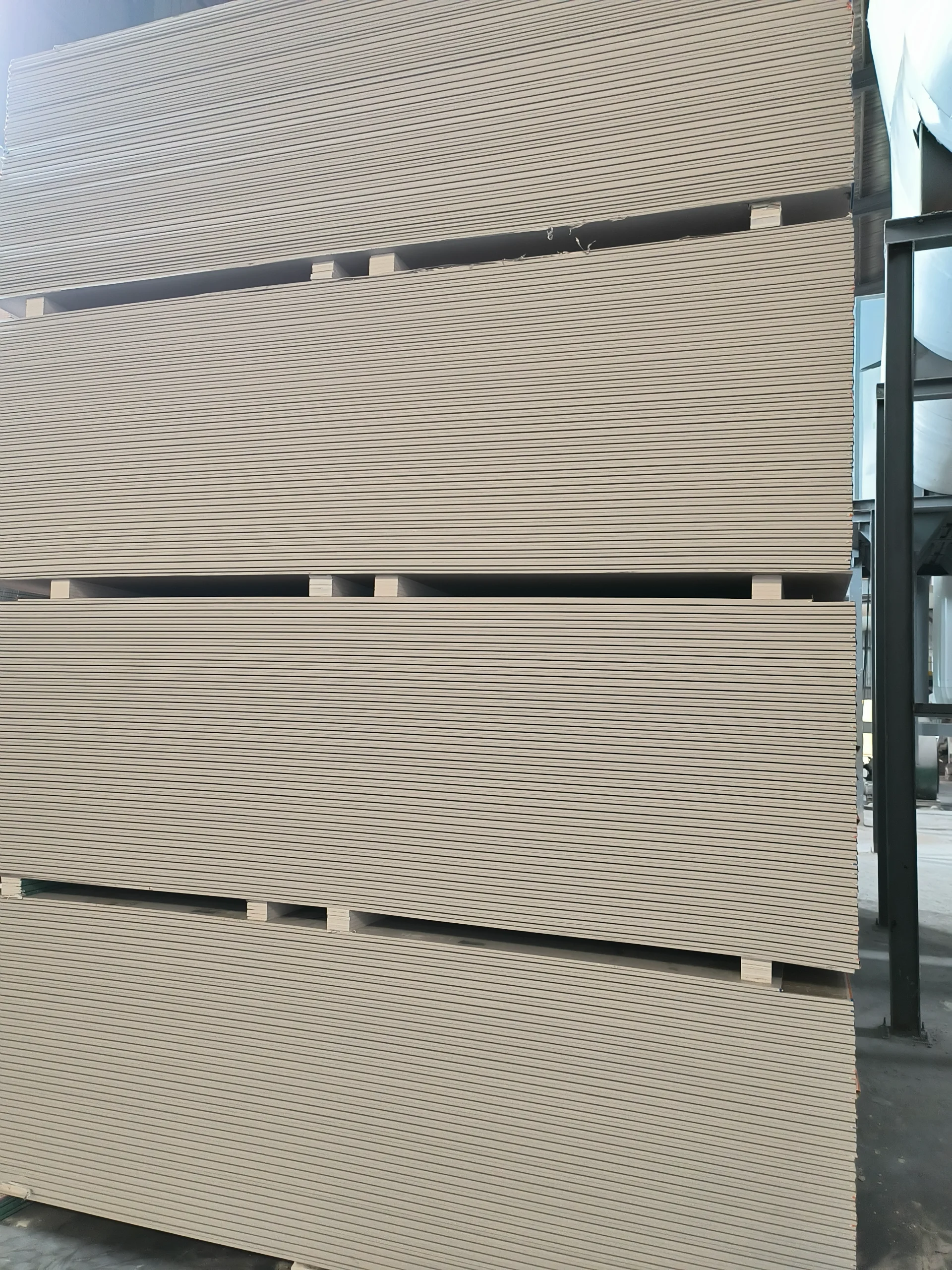
Real-world Example
| Zone | Typical Risk | Prevention |
|---|---|---|
| Floor edges | High humidity attracts termites | Ensure dry foundation |
| Bathroom walls | Constant moisture near seams | Use moisture-resistant boards |
| Window frames | Thin wood contact areas | Seal joint edges |
Proper wall sealing and dry interior conditions prevent most hidden termite activity.
How Do You Get Rid of Termites in Drywall?
You get rid of termites in drywall by removing infested sections, treating framing with termiticide, and ensuring ventilation and dryness. Non-repellent chemicals allow termites to spread the treatment within colonies.
protection insight: fix the system, not only the surface.
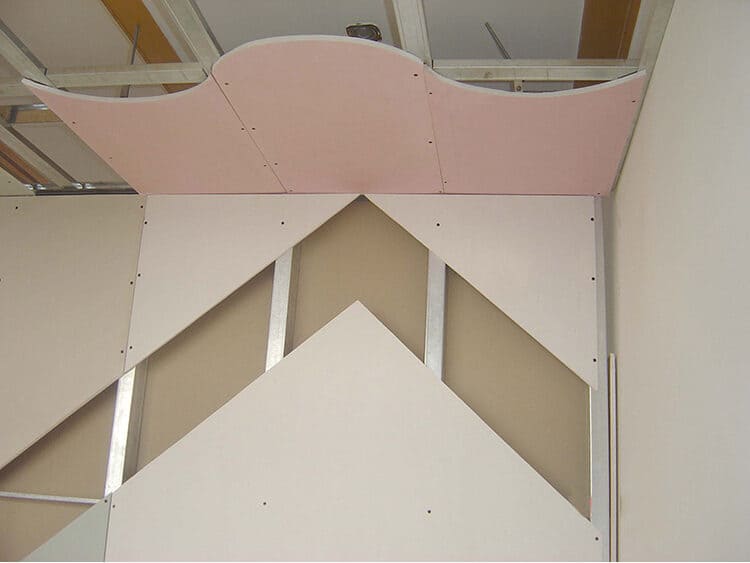
Termite Treatment Chart
| Method | Description | Best Use |
|---|---|---|
| Chemical barrier | Liquid termiticide around foundation | Long-term prevention |
| Bait system | Attract and poison colonies | Ongoing control |
| Structural repair | Replace damaged drywall & wood | Stop local spread |
| Environmental control | Maintain dry, sealed walls | Prevent future infestation |
Integrated Protection Strategy
| Step | System Action |
|---|---|
| Inspect moisture zones | Locate leak or humidity source |
| Treat and seal framing | Block future nests |
| Replace damaged panels | Restore structural integrity |
| Maintain routine checks | Detect early termite signs |
Eliminating termites means stabilizing moisture and sealing biological pathways inside building materials.
Is It Cheaper to Repair or Replace Drywall?
It is cheaper to repair small termite damage if the gypsum core and framing are intact. But if termite activity spreads or weakens the structure, replacement is safer and more economical long term.
maintenance insight: decide based on depth, not surface.
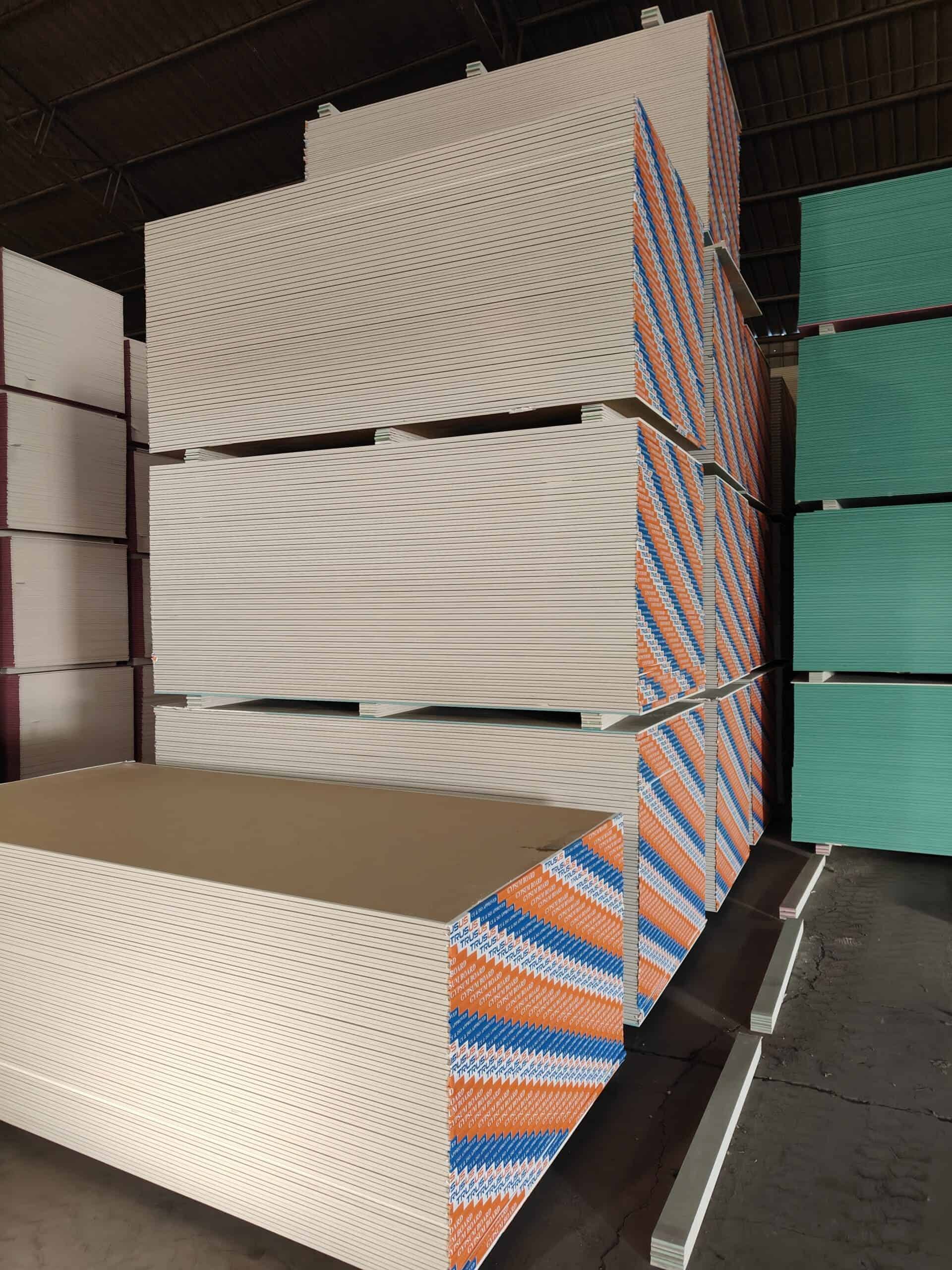
Cost Assessment Guide
| Damage Area | Repair or Replace | Reason |
|---|---|---|
| Minor surface (paper only) | Repair | Small patch and paint |
| Localized wooden framing | Replace | Internal weakness |
| Corner or joint spread | Replace | Hidden structural issue |
| Widespread infestation | Replace | Cost effective over time |
Cost Logic Behind Repair vs Replacement
| Factor | Repair | Replacement |
|---|---|---|
| Short-term expense | Lower | Higher |
| Long-term durability | Moderate | Excellent |
| Hidden damage risk | High | Low |
| Labor complexity | Simple | Moderate |
Replacement may seem expensive initially, but it ensures full removal of damaged framing and prevents return infestation.
Conclusion
Termites target the paper and wood behind drywall, not the gypsum core. Spotting bubbles or hollow surfaces early saves you from costly repairs. TRUSUS believes durability means defending against fire, water, and life itself—building spaces where walls last long enough to outlive unseen threats.