



You fireproof a steel stud frame structure by creating a complete fire protection system—not just by coating steel. This includes gypsum board layers, insulation, and fire-resistant finishes that work together.
TRUSUS insight: fireproofing is system coordination, not surface painting.
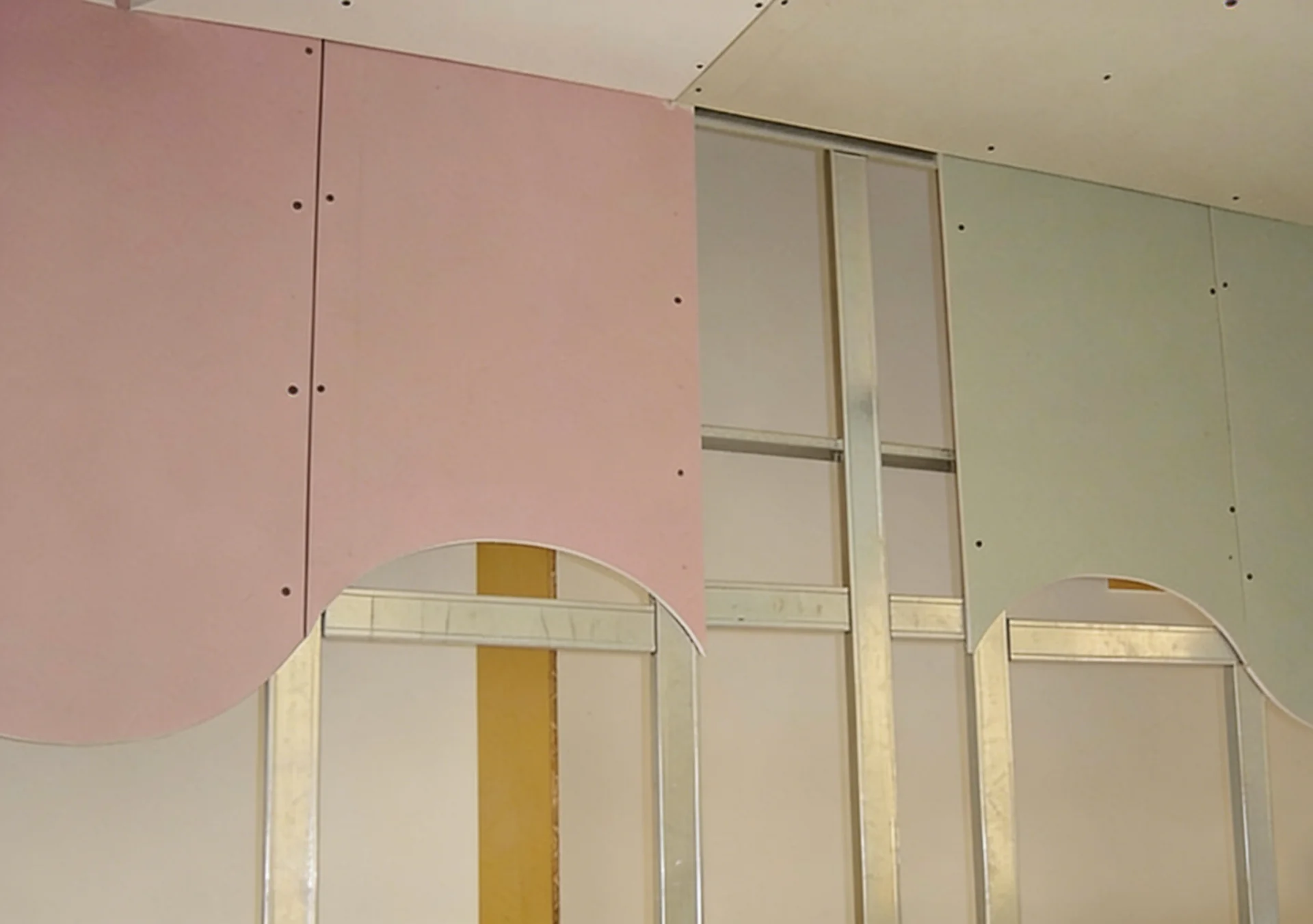
The gypsum board around steel studs releases water vapor under heat, delaying steel temperature rise. Insulated cavities block heat transfer, and coating finishes seal the frame from direct flame contact. Together, they form a multi-layer protection system.
What Is the Fireproof Coating for Steel Stud Frame?
The main fireproof coating used on steel stud frames is intumescent paint or cementitious spray coating. These coatings swell or harden under heat, forming a barrier between flames and the steel.
material insight: a coating’s job is delay, not defense alone.
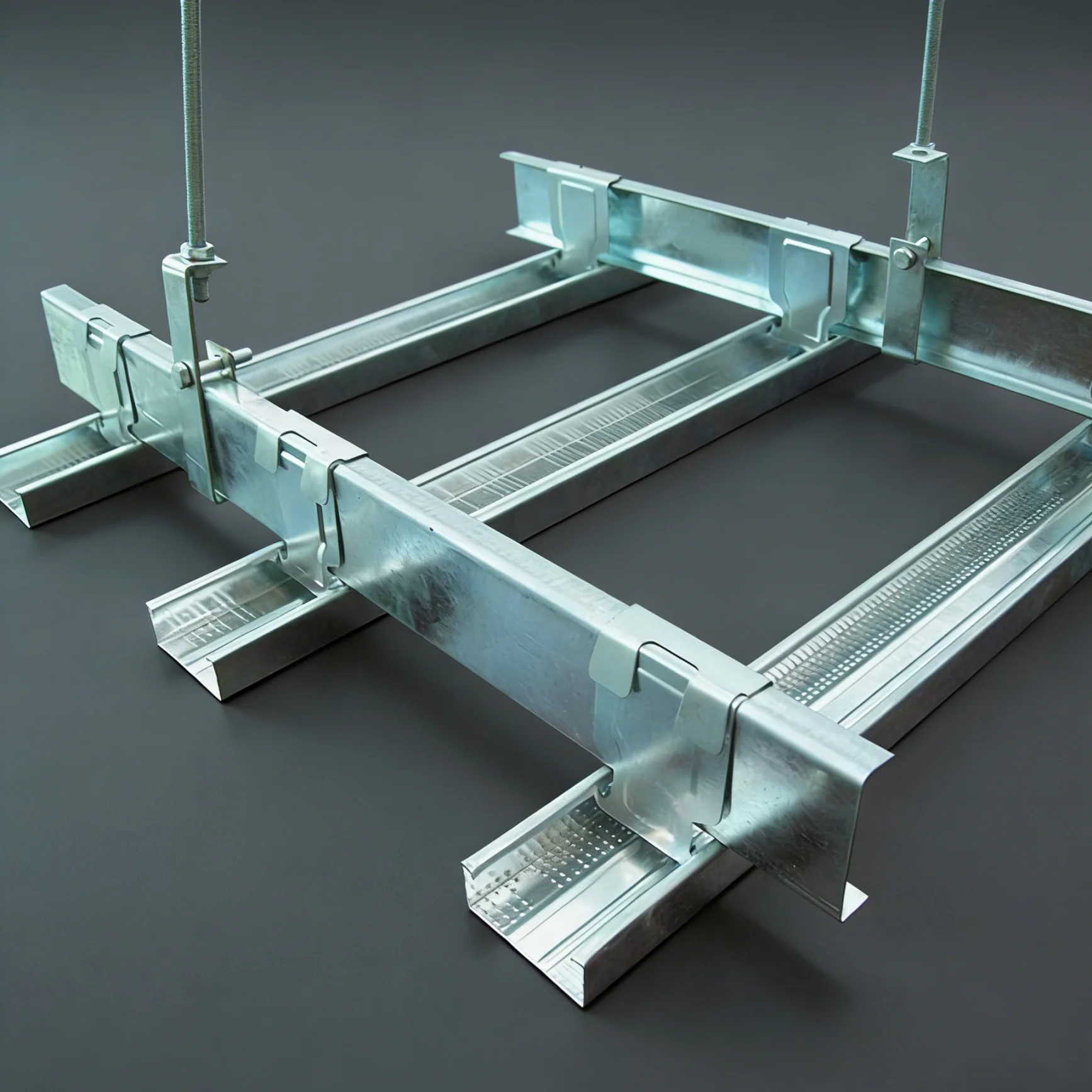
Fireproof Coating Comparison Table
| Type | Appearance | Reaction Under Heat | Typical Use |
|---|---|---|---|
| Intumescent Paint | Thin film, smooth | Expands to foam-like layer | Interior walls and framing |
| Cementitious Coating | Thick, rough texture | Hardens into insulating shield | Industrial or open steel structures |
| Fire-Resistant Plaster | Decorative surface | Adds thermal mass and seal | Finishing layer over drywall |
Each coating must be applied according to system tests and certified limits. The coating only performs properly when thickness and curing meet standard specifications.
Does Fireproof Paint Actually Work?
Yes, fireproof paint works effectively when used within a tested fire system. It delays steel temperature rise and helps preserve structural integrity long enough for evacuation and firefighting.
system insight: paint helps, but walls protect.
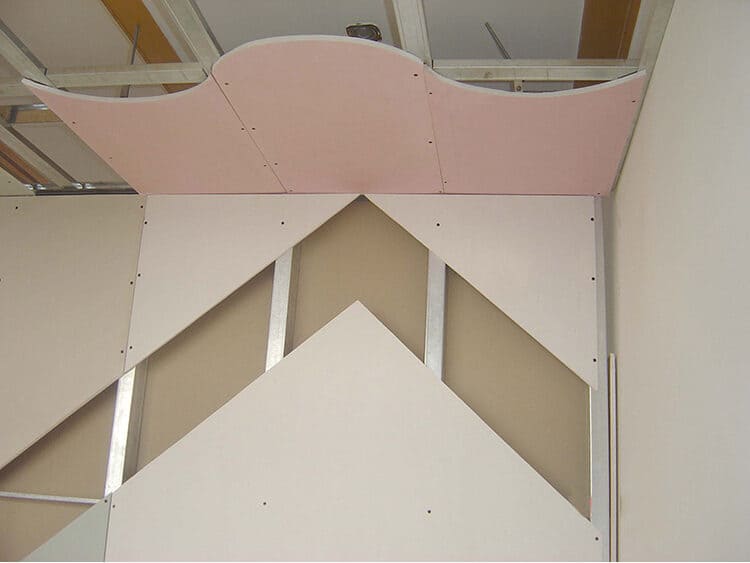
Fireproof Performance Observations
| Condition | Time Before Steel Reaches Critical Heat | Result |
|---|---|---|
| Bare steel stud | 10–15 minutes | Rapid strength loss |
| Steel with intumescent coating | 60–120 minutes | Slower heat absorption |
| Steel with coating + gypsum board | 120+ minutes | System maintains integrity |
This data proves that coatings alone are not magic—they are part of a larger protective design that includes gypsum and insulation layers.
At What Temperature Does Structural Steel Stud Frame Fail?
Steel stud frames start losing structural strength at around 500–600°C (932–1112°F). Beyond 600°C, steel’s yield strength drops to about half of its normal value, risking collapse if unprotected.
engineering insight: fire safety relies on keeping temperature below failure point.
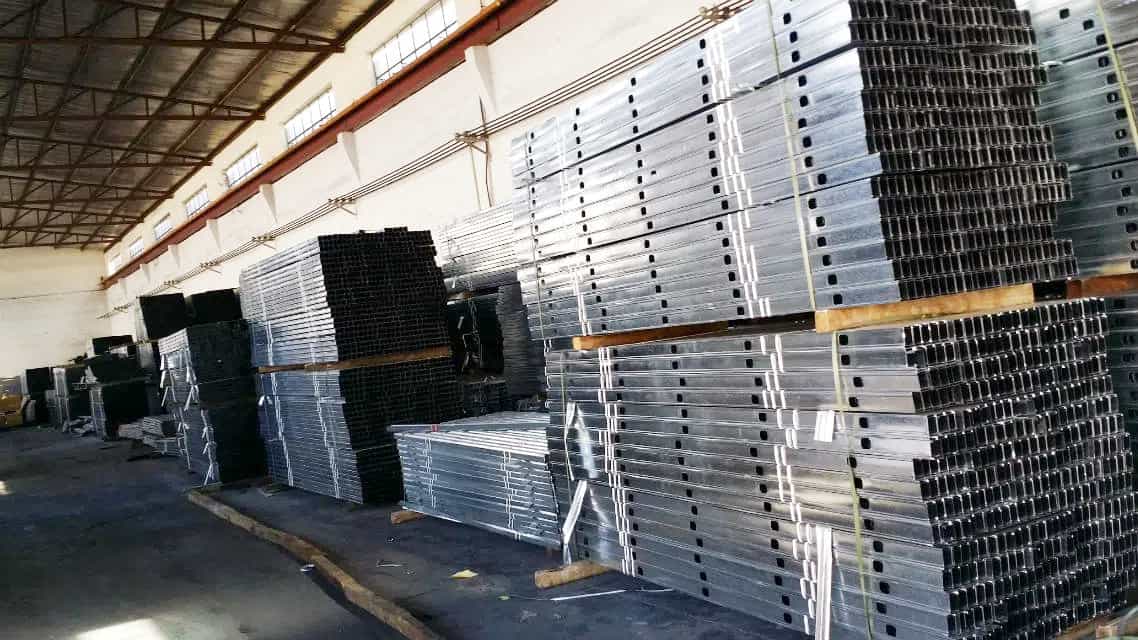
Temperature Resistance Guide
| Temperature (°C) | Steel Condition | Structural Risk |
|---|---|---|
| 20–300 | Normal | Safe |
| 400 | Minor strength loss | Stable with protection |
| 500 | Noticeable weakening | Failure if exposed |
| 600+ | Rapid deformation | Collapse without system protection |
In real buildings, surrounding gypsum walls and coatings ensure this temperature is reached only after hours of exposure, giving people time to escape safely.
Conclusion
Fireproofing steel studs is about system science, not single materials. Paint, gypsum board, and coatings work together to form a coordinated defense. At TRUSUS, I see fire safety as structure-level protection—a philosophy of reliability built into every frame, not just brushed on the surface.