



Modernizing a property in Guyana requires more than just fresh paint; it demands material systems that improve cooling efficiency, sound control, and hygiene. Choosing the wrong ceiling or partition material can lead to high energy bills, noisy rooms, and a dated appearance that lowers your property value.
The solution lies in selecting application-specific materials: PVC Laminated Gypsum Tiles for humid, high-hygiene areas, Mineral Fiber Boards for sound-dampening offices, and ASTM-certified Drywall Partitions for fire-safe room division. Combined with a galvanized steel grid system, these solutions offer the perfect balance of aesthetics, durability, and cost-effectiveness for the booming Georgetown real estate market.
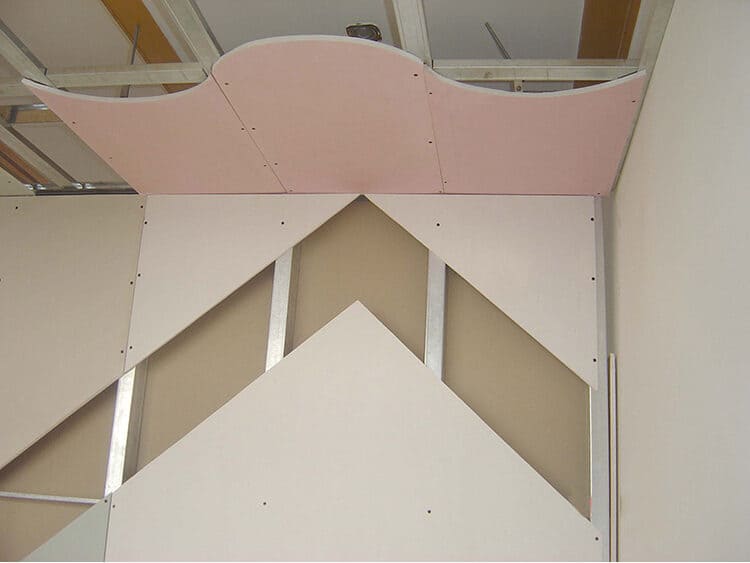
I have watched the Guyana construction market evolve rapidly. The old method of using plywood ceilings and wooden dividers is disappearing. Today, whether you are fitting out a new office on the East Bank or renovating a family home, you need materials that perform specific functions.
Which Suspended Ceiling Tile Is Best for Your Space?
Homeowners love the easy maintenance of PVC tiles, while business owners prefer the acoustic benefits of mineral fiber, but mixing them up can be a costly mistake.
PVC Laminated Gypsum Tiles are waterproof and wipeable, making them ideal for kitchens, hospitals, and homes where humidity and cleanliness are priorities. Mineral Fiber Boards (often called acoustic tiles) are porous and designed to absorb noise and insulate cool air, making them the standard choice for offices, banks, and call centers in Georgetown.

I often get asked by importers: "Which tile should I buy?" The answer is always: "Who is using the room?"
In Guyana, the PVC Laminated Gypsum Tile (usually 2x2 feet or 600x600mm) is the king of the residential market. Why? Because it has a PVC face and an Aluminum Foil back. It acts like a shield. If your roof leaks slightly, the tile won't stain immediately. If grease from cooking gets on it, you can wipe it with a cloth. It keeps the house looking clean and bright.
On the other hand, Mineral Fiber Board is a technical product. It is made from wet-felted fibers. It looks professional and textured (like the "Fissured" or "Sand" patterns). Its superpower is Acoustics. In a busy office with AC running and phones ringing, hard surfaces make sound bounce (echo). Mineral fiber absorbs that sound. It also has better thermal insulation, keeping your expensive AC air down where the people are.
Here is a quick guide to help you decide:
| Feature | PVC Gypsum Tile | Mineral Fiber Board |
|---|---|---|
| Material | Gypsum Core + PVC Face | Mineral Wool/Fiber |
| Water Resistance | High (Waterproof face) | Low (Absorbs water) |
| Cleanability | Easy (Wipeable) | Difficult (Vacuum only) |
| Sound Control | Low (Reflects sound) | High (NRC 0.55+) |
| Best Location | Kitchen / Bath / Home | Office / School / Bank |
| Cost | Economical | Mid-to-High Range |
By offering both types, we allow you to service every type of client in Guyana, from the housewife renovating her kitchen to the contractor building a government office.
Why Must Your Metal Grid and Studs Be ASTM Certified?
Cheap, non-standard metal profiles rust quickly in coastal air and fail safety inspections, putting your entire renovation project at risk.
Using ASTM-compliant galvanized steel keels and suspended ceiling grids (Main Tee, Cross Tee) ensures that your framework meets international safety codes for load-bearing capacity and fire resistance. Our profiles use Z275 or Z180 zinc coating, providing the necessary corrosion protection to withstand Guyana’s tropical environment for decades.

The metal skeleton behind your wall or ceiling is invisible, so many people try to save money here by buying "light" or "undersized" studs. This is dangerous.
In commercial projects, inspectors check if the materials meet standards like ASTM C635 (for metal suspension systems) or ASTM C645 (for non-structural steel framing). If you use a stud that is too thin (e.g., 0.30mm) for a high wall, it will wobble. If the zinc coating is too thin, the salt air from the Atlantic will rust it within two years.
At TRUSUS, we manufacture to the standard.
- For Ceilings: Our Main Tees and Cross Tees lock together securely. They don't twist under the weight of the tiles. We bake the white paint onto the exposed face so it matches the tiles perfectly and doesn't peel.
- For Partitions: Our C-Studs and U-Tracks have the correct flange height and steel gauge (thickness) to hold the screws tight.
When you buy our system, you get the test reports. You can show the engineer: "Look, this is Grade 33 steel, zinc coated, ASTM standard." That builds trust.
How Does a "Full System" Supplier Simplify Your Job?
Sourcing tiles from one place, grid from another, and drywall from a third leads to color mismatches, fitting issues, and logistical headaches.
We provide a comprehensive interior solution where the Gypsum Board, Ceiling Tiles, Metal Studs, T-Grids, and even the Screws and Tape are manufactured to fit together perfectly. This one-stop compatibility eliminates installation errors on-site and allows you to import a single consolidated container containing everything needed for a complete building fit-out.
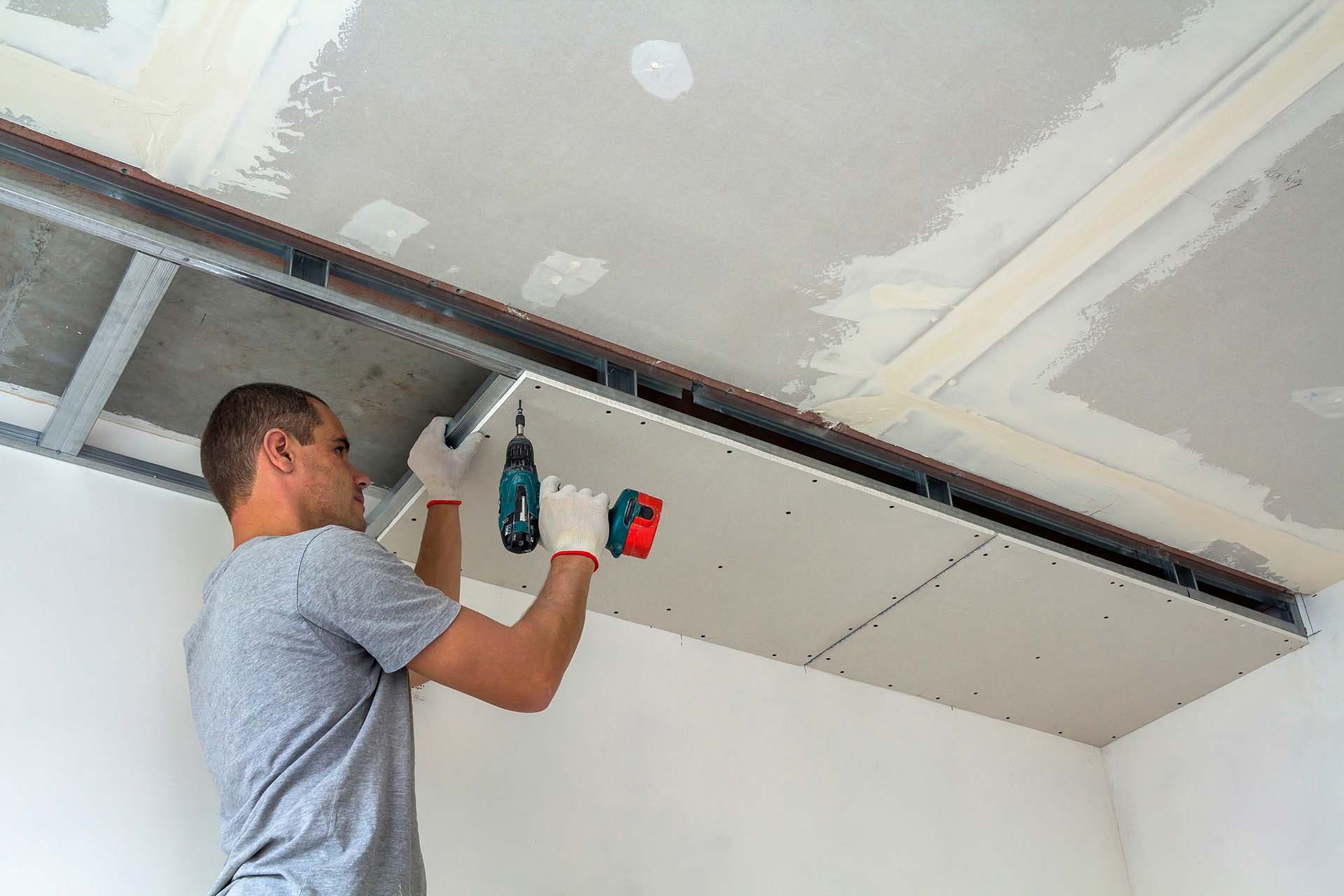
I have seen contractors in Georgetown struggling because their Cross Tees didn't click into their Main Tees because they came from different factories with different "lock" designs. Or the drywall screws stripped the threads because the studs were too soft.
We view the room as a whole ecosystem.
- The Ceiling System: We supply the Hanger Wire, the Adjustable Clips, the Main T, the Cross T, the Wall Angle, and the Tiles. It is a kit. It just works.
- The Wall System: We supply the Stud, the Track, the Gypsum Board (Standard or Fire Rated), the Joint Compound, and the Fiberglass Mesh Tape.
The "Project-Ready" Container: If you are a retailer, having the full range makes you the market leader. A customer comes in for drywall; you upsell them the ceiling. If you are a contractor, you order a 40ft container for your project. We load the heavy gypsum boards on the bottom, the steel framing in the middle, and the lightweight ceiling tiles on top.
Typical Container Mix for a Project:
| Product Group | Specific Items | Application |
|---|---|---|
| Partitions | 12mm Gypsum Board + 70mm Studs | Interior Walls |
| Ceilings | 603x603mm PVC Tiles + T-Grid | General Areas |
| Wet Areas | Moisture Resistant Board + Cement Board | Bathrooms |
| Finishing | 20kg Bucket Compound + Paper Tape | Joint Finishing |
You open the container doors, and you have a warehouse on wheels. No waiting for local stock. No mismatched parts.
Conclusion
Choosing the right combination of PVC or Mineral Fiber ceilings and ASTM-certified metal framing upgrades your property's value and function. Buying the full system direct ensures quality and compatibility.