



High-quality plasterboard and drywall products emit minimal VOCs, typically below 0.5 mg/m³, with primary emissions coming from paper facing adhesives and manufacturing additives rather than the gypsum core itself. Experienced plasterboard suppliers routinely test emission levels to ensure compliance with environmental standards.
Standard gypsum plasterboard and plaster board drywall contain natural gypsum and paper facing with minimal organic compounds in core composition. VOC emissions range 0.1–0.5 mg/m³, depending on manufacturing processes and additives used. Paper facing adhesives contribute most emissions through starch-based binders and moisture-resistant treatments. Formaldehyde levels typically below 0.05 mg/m³, meeting stringent indoor air quality standards. Emission rates decline significantly after 30–60 days of installation and proper ventilation, according to leading plasterboard suppliers.
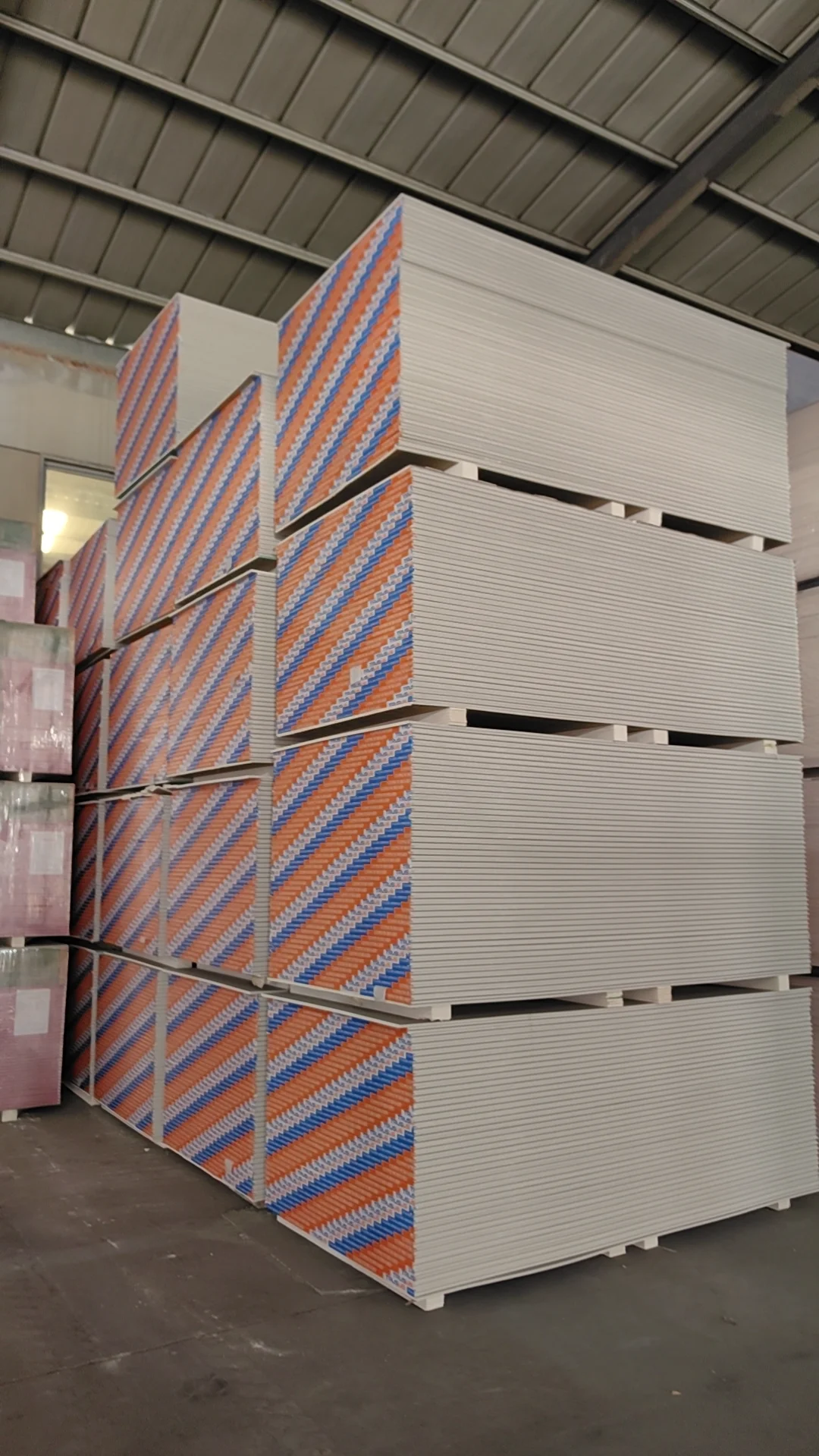
From my extensive experience in gypsum board manufacturing, I’ve observed that VOC concerns primarily stem from surface treatments and joint compounds rather than the plasterboard core materials themselves.
Are There VOCs in Drywall?
Drywall and plasterboard contain minimal VOCs, primarily from paper facing adhesives and manufacturing processes, with total emissions typically under 1.0 mg/m³ and declining rapidly after installation when properly ventilated. Reputable plasterboard suppliers and manufacturers frequently provide emission certificates to verify low-VOC profiles.
Gypsum core material produces virtually zero VOC emissions, as its composition is inorganic calcium sulfate dihydrate. Plaster board paper facing contains starch-based adhesives, releasing 0.2–0.8 mg/m³ total VOCs, including trace formaldehyde below detection limits. Manufacturing additives, including foaming agents, contribute additional 0.1–0.3 mg/m³ emissions. Moisture-resistant drywall and plasterboard treatments may increase emissions to 1.5–2.0 mg/m³ initially. Emission testing follows ASTM D5116 and ISO 16000 protocols, with results varying by plasterboard suppliers and product types.
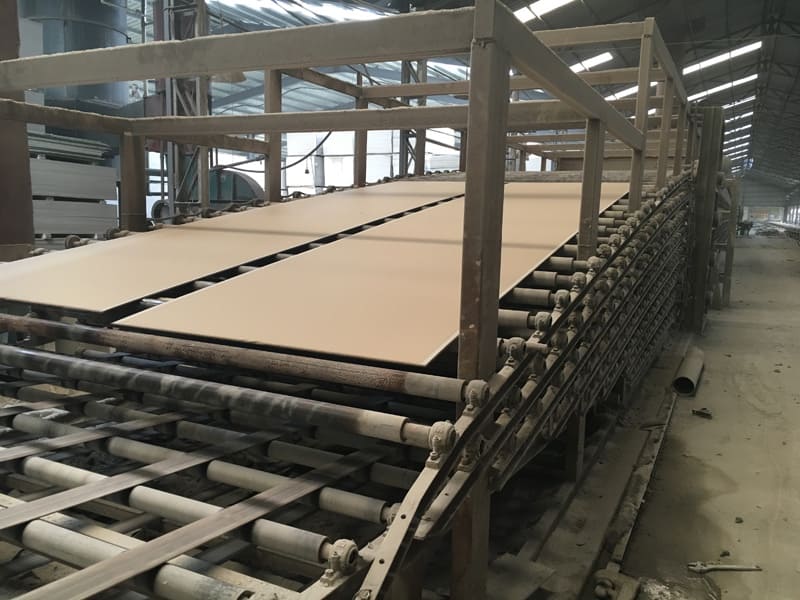
VOC Source Analysis in Drywall and Plasterboard
Different components contribute varying levels of volatile organic compounds (VOCs) depending on the plasterboard supplier and formulation.
| Component | VOC Contribution | Emission Rate | Primary Compounds | Duration |
|---|---|---|---|---|
| Gypsum Core | Minimal | <0.05 mg/m³ | Trace moisture | Negligible |
| Paper Facing | Moderate | 0.2–0.6 mg/m³ | Starch binders, cellulose | 30–90 days |
| Edge Sealers | Low | 0.1–0.2 mg/m³ | Polymer additives | 14–30 days |
| Foaming Agents | Low | 0.05–0.15 mg/m³ | Soap residues | 7–21 days |
| Moisture Treatments | Variable | 0.3–1.2 mg/m³ | Fungicides, polymers | 60–180 days |
Paper facing adhesives represent the largest VOC source in standard drywall and plasterboard construction.
Emission Timeline and Patterns for Plasterboard and Drywall
VOC emissions from drywall and plaster board follow predictable patterns over time.
| Time Period | Emission Level | Reduction Rate | Environmental Factors | Mitigation Strategies |
|---|---|---|---|---|
| 0–7 Days | Peak emissions | Rapid decline | Temperature, humidity | Maximum ventilation |
| 1–4 Weeks | Moderate levels | Steady reduction | Air circulation | Continued ventilation |
| 1–6 Months | Low levels | Gradual decline | Seasonal changes | Normal ventilation |
| 6+ Months | Minimal emissions | Stable baseline | Long-term conditions | Standard air exchange |
| 2+ Years | Background levels | Negligible change | Aging effects | Routine maintenance |
First week represents the most critical period for ventilation and emission control for all plasterboard suppliers and installation contractors.
Comparative Emission Levels
Drywall and plasterboard VOC emissions compare favorably to other common building materials.
| Material Category | Typical VOC Range | Formaldehyde Levels | Regulatory Compliance | Health Risk Assessment |
|---|---|---|---|---|
| Standard Plasterboard | 0.1–1.0 mg/m³ | <0.05 mg/m³ | Exceeds standards | Very low risk |
| Engineered Wood | 2–15 mg/m³ | 0.1–1.2 mg/m³ | Variable compliance | Low to moderate risk |
| Vinyl Flooring | 5–25 mg/m³ | <0.1 mg/m³ | Product dependent | Moderate risk |
| Carpet Systems | 10–50 mg/m³ | 0.2–2.0 mg/m³ | Variable standards | Moderate to high risk |
| Painted Surfaces | 20–100 mg/m³ | Variable | Application dependent | High initial risk |
Plasterboard supplied by leading plasterboard suppliers consistently shows among the lowest VOC emissions of all common building materials used in modern construction.
What Does Plasterboard Contain?
Plasterboard and drywall contain natural gypsum (calcium sulfate dihydrate) as the core material, recycled paper facing, starch-based adhesives, and minimal additives including foaming agents, accelerators, and fiber reinforcements. Sustainable plasterboard suppliers often use synthetic gypsum to reduce waste and environmental impact.
Gypsum core comprises 90–95% of total weight, using natural or synthetic calcium sulfate dihydrate. Paper facing uses recycled newsprint and cardboard with starch-based adhesive bonding systems. Manufacturing additives include sodium trimetaphosphate accelerator and soap-based foaming agents for core structure and setting control. Fiber reinforcement may include glass or cellulose fibers. Moisture-resistant plasterboard and drywall variants add wax emulsions and fungicidal treatments for bathroom and kitchen applications.

Core Material Composition
The gypsum core in plaster board represents the primary structural component with specific material properties.
| Core Component | Percentage by Weight | Source Material | Function | Environmental Impact |
|---|---|---|---|---|
| Natural Gypsum | 70–85% | Mined calcium sulfate | Structural matrix | Low extraction impact |
| Synthetic Gypsum | 5–25% | FGD byproduct | Resource recycling | Positive waste diversion |
| Water | 15–20% | Process requirement | Hydration medium | Recycled in process |
| Accelerators | 0.5–1% | Sodium compounds | Setting control | Minimal impact |
| Foaming Agents | 0.1–0.3% | Soap derivatives | Weight reduction | Biodegradable |
Leading plasterboard suppliers emphasize using synthetic gypsum for sustainability and low environmental impact in drywall manufacturing.
Paper Facing Materials
Plasterboard paper facing provides surface stability and high recycled content, a key sustainability focus among plasterboard suppliers.
| Facing Component | Typical Specification | Recycled Content | Adhesive System | Performance Function |
|---|---|---|---|---|
| Face Paper | 140–180 gsm | 80–100% recycled | Starch-based | Surface finishing |
| Back Paper | 120–160 gsm | 90–100% recycled | Starch-based | Structural attachment |
| Edge Treatment | Polymer coating | Variable recycled | Synthetic adhesive | Moisture protection |
| Print Ink | Water-based | Recycled newspapers | Minimal binder | Identification marking |
| Fiber Content | Mixed fibers | Post-consumer waste | Natural cellulose | Strength enhancement |
Most plasterboard suppliers ensure recycled paper content exceeds 85%, improving environmental credentials of modern drywall.
Manufacturing Additives in Plasterboard
Small quantities of additives provide specific performance characteristics for plasterboard and drywall applications.
| Additive Type | Typical Concentration | Chemical Basis | Performance Benefit | Safety Considerations |
|---|---|---|---|---|
| Set Accelerators | 0.5–2% | Sodium trimetaphosphate | Faster production | Food-grade safety |
| Foaming Agents | 0.1–0.5% | Soap compounds | Weight reduction | Biodegradable |
| Fiber Reinforcement | 0.5–3% | Glass or cellulose | Crack resistance | Respiratory protection |
| Fungicides | 0.1–0.3% | Biocide compounds | Mold prevention | Controlled application |
| Wax Emulsions | 1–3% | Paraffin derivatives | Water resistance | Non-toxic levels |
All additives used by reputable plasterboard suppliers meet food-grade or building material safety standards.
Is Plasterboard Non-Toxic?
Standard plasterboard and drywall are non-toxic for normal building applications, containing primarily inorganic gypsum and natural materials with minimal chemical additives that meet strict safety standards for indoor use. Reliable plasterboard suppliers emphasize certifications like GREENGUARD and REACH.
Gypsum core material is chemically inert and classified as non-hazardous under OSHA standards. Paper facing uses food-grade starch adhesives with no heavy metals or toxic compounds. Manufacturing additives comply with EPA and European safety regulations. Dust exposure during cutting requires basic precautions but poses no long-term health risk.
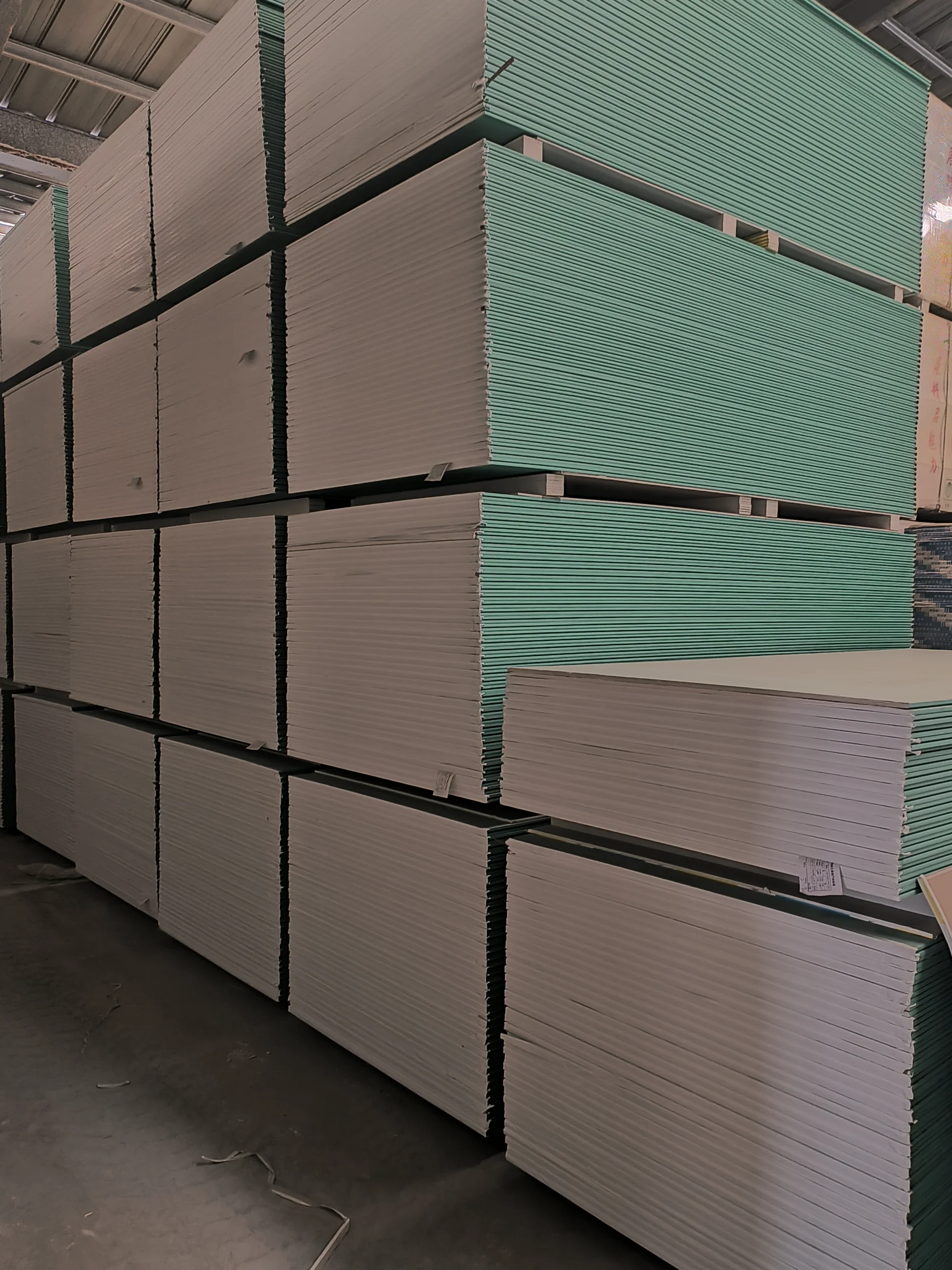
Safety Classification Standards
Plaster board products from recognized plasterboard suppliers meet comprehensive safety standards across multiple frameworks.
| Safety Standard | Classification Result | Testing Requirements | Compliance Level | Application Scope |
|---|---|---|---|---|
| OSHA Hazard Classification | Non-hazardous | Material composition | Full compliance | Workplace safety |
| EPA TSCA Compliance | Approved substances | Chemical inventory | Complete approval | Commercial use |
| GREENGUARD Certification | Low emissions | Air quality testing | Gold standard | Indoor air quality |
| CRADLE TO CRADLE | Material health assessment | Toxicity evaluation | Variable ratings | Sustainability |
| REACH Regulation | Substance registration | European compliance | Full registration | International trade |
Health Risk Assessment
Comprehensive health risk evaluation for drywall and plasterboard covers all exposure scenarios.
| Exposure Route | Risk Level | Protective Measures | Health Effects | Vulnerable Populations |
|---|---|---|---|---|
| Inhalation of Dust | Low | Dust masks | Temporary irritation | Respiratory conditions |
| Skin Contact | Minimal | Standard hygiene | Possible dryness | Sensitive skin |
| Eye Contact | Low | Safety glasses | Temporary irritation | Contact lens wearers |
| Ingestion | Minimal | Basic precautions | Gastric irritation | Young children |
| Long-term Exposure | Very low | Normal ventilation | No documented effects | General population |
Conclusion
High-quality plasterboard, plaster board, and drywall emit minimal VOCs—typically below 0.5 mg/m³—with primary emissions coming from paper facing adhesives and manufacturing additives, not the gypsum core. Emission levels decline significantly after 30–60 days of proper ventilation. Standard plasterboard suppliers confirm that gypsum cores produce virtually zero VOC emissions, while paper facings contribute only 0.2–0.8 mg/m³ total VOCs, with moisture-resistant variants temporarily reaching 1.5–2.0 mg/m³.
Plasterboard consists of natural gypsum (90–95%), recycled paper facings, starch-based adhesives, and minimal additives like accelerators and foaming agents. The material is non-toxic, chemically inert, and OSHA-compliant, making it one of the safest and lowest-emission building boards available.
For construction professionals and homeowners alike, choosing plasterboard from reputable plasterboard suppliers ensures optimal indoor air quality, low VOC emissions, and environmental sustainability—qualities that consistently rank plasterboard among the highest-performing materials in modern interior building applications.