



Yes, covering wood walls with TRUSUS gypsum board systems reduces AC electricity bills in Guyana by 10-20% through improved thermal mass adding 2-4 hour temperature lag, enhanced insulation when combined with cavity insulation reducing heat transfer by 60%, air sealing eliminating drafts and infiltration, reflective properties reducing radiant heat absorption, and thermal bridging elimination improving overall wall R-value from R-2 to R-12+.
Thermal mass improvement provides 2-4 hour temperature lag stabilizing indoor conditions and reducing cooling loads during peak hours. Enhanced insulation when combined with cavity materials reduces heat transfer by 60% through wall assemblies. Air sealing eliminates drafts and infiltration that force AC systems to work harder. Reflective properties of gypsum surfaces reduce radiant heat absorption compared to dark wood. Thermal bridging elimination through proper installation improves overall R-value from R-2 to R-12+.
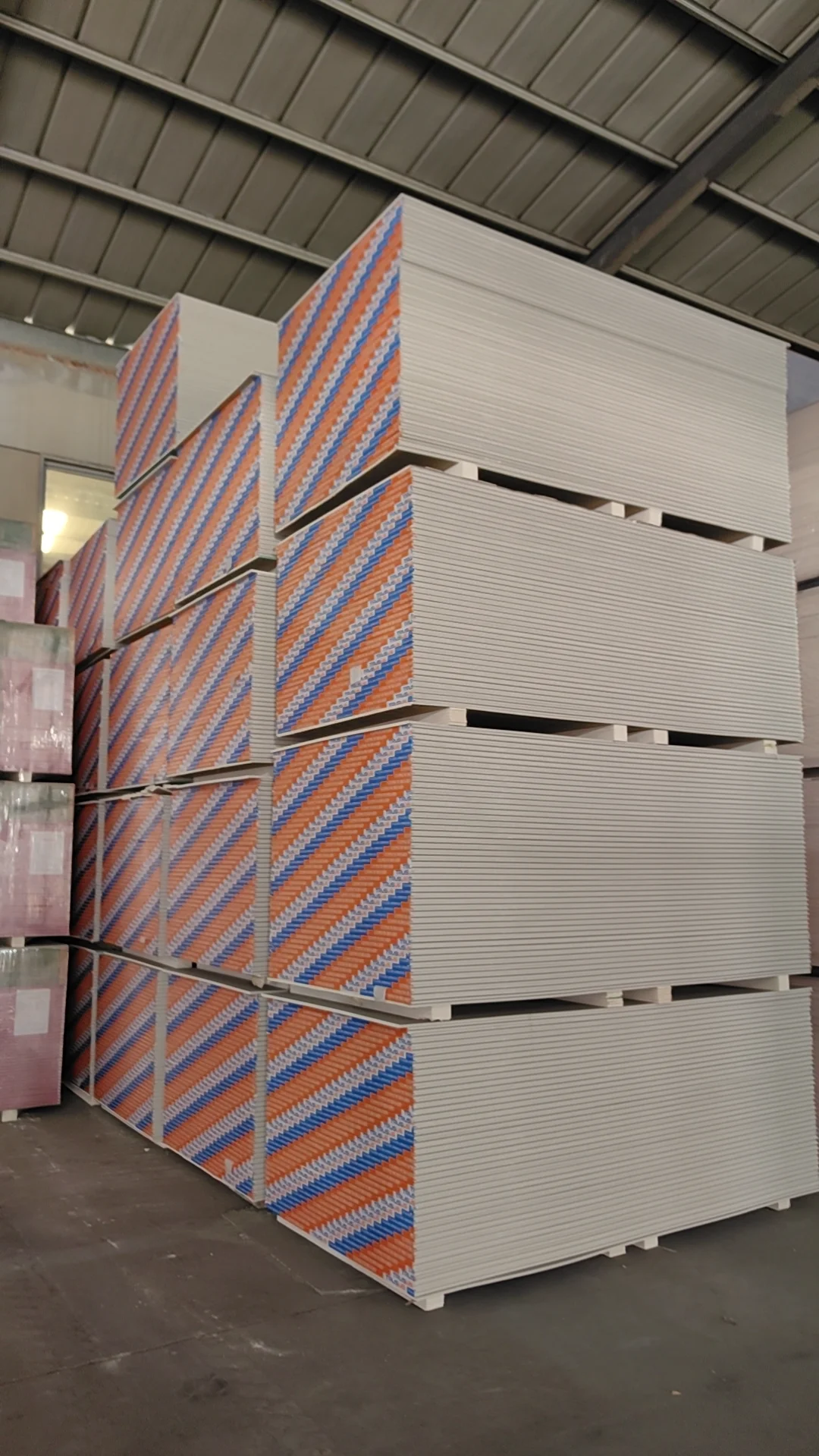
From my experience working with homeowners in Georgetown and New Amsterdam, I've consistently observed significant energy savings when properly installed gypsum board systems replace or cover existing wood walls.
Does Covering Wood Walls with Fire-Rated Gypsum Board Lower Home Insurance in Guyana?
Yes, covering wood walls with fire-rated TRUSUS gypsum board can lower home insurance in Guyana by improving fire resistance ratings from 15-30 minutes to 60-120 minutes, meeting insurance company safety standards, reducing fire spread risk assessment, qualifying for safety discounts of 5-15%, and demonstrating proactive risk mitigation to underwriters.
Fire resistance improvement from 15-30 minutes to 60-120 minutes significantly enhances occupant safety and property protection. Insurance standards compliance demonstrates commitment to risk reduction and safety improvement. Fire spread risk assessment improvements lower actuarial calculations for property damage. Safety discounts of 5-15% available from major insurers for fire-rated improvements. Proactive mitigation demonstrates responsible ownership influencing underwriter risk assessment.
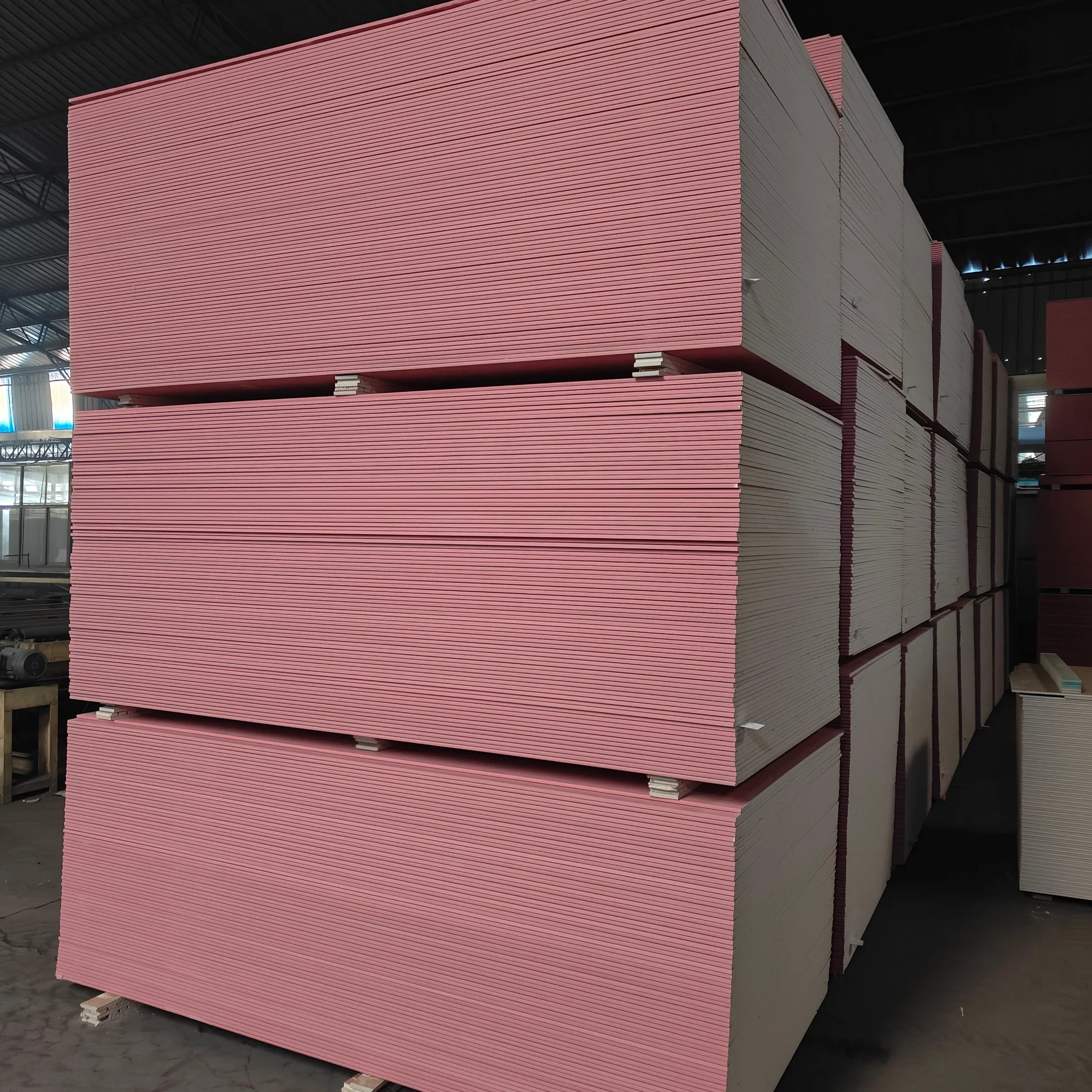
Fire-Rated Performance Specifications
Fire resistance specifications for gypsum board wall assemblies in residential applications.
| Wall Assembly Type | Fire Resistance Rating | Flame Spread Index | Smoke Development | Insurance Classification |
|---|---|---|---|---|
| Bare Wood Walls | 15-30 minutes | 76-200 | 76-200 | Standard risk |
| Standard Gypsum | 30-45 minutes | 10-25 | 0-50 | Reduced risk |
| Type X Gypsum | 60 minutes | 10-25 | 0-50 | Low risk |
| Double Layer Type X | 120 minutes | 10-25 | 0-50 | Very low risk |
| Fire Shield | 90+ minutes | 0-15 | 0-25 | Minimum risk |
Fire-rated assemblies significantly improve safety ratings and insurance classification.
Insurance Discount Analysis
Insurance premium reduction analysis for fire-rated gypsum board installations.
| Insurance Provider | Standard Premium | Fire-Rated Discount | Annual Savings | Payback Period |
|---|---|---|---|---|
| Major Insurers | $1,200-2,000/year | 5-10% | $60-200/year | 3-5 years |
| Regional Companies | $800-1,500/year | 8-15% | $64-225/year | 2-4 years |
| Government Programs | $600-1,200/year | 10-20% | $60-240/year | 2-3 years |
| Commercial Policies | $2,000-4,000/year | 15-25% | $300-1,000/year | 1-2 years |
| High-Risk Areas | $1,500-3,000/year | 20-30% | $300-900/year | 1-2 years |
Fire safety improvements provide substantial long-term savings.
Risk Assessment Improvements
Risk factor improvements achieved through fire-rated gypsum board installation.
| Risk Factor | Standard Wood Walls | Fire-Rated Gypsum | Improvement Factor | Insurance Impact |
|---|---|---|---|---|
| Fire Spread Rate | High risk | Low risk | 70% reduction | Premium reduction |
| Evacuation Time | 15-30 minutes | 60-120 minutes | 200-400% increase | Safety bonus |
| Property Damage | Total loss potential | Containment likely | 60-80% reduction | Lower deductibles |
| Structural Integrity | Rapid failure | Extended stability | 300% improvement | Coverage benefits |
| Smoke Generation | High toxicity | Minimal emission | 90% reduction | Health protection |
Comprehensive risk reduction justifies insurance premium adjustments.
How to Level Uneven Timber Walls Before Applying Interior Gypsum Board?
Level uneven timber walls before applying TRUSUS gypsum board using steel stud framing system with adjustable clips allowing 25mm correction, shimming techniques for minor irregularities up to 10mm, furring strip installation with precise leveling, laser level measurement for accuracy verification, and moisture barrier integration protecting against humidity infiltration.
Steel stud framing systems with adjustable clips accommodate 25mm correction while maintaining structural integrity and precise alignment. Shimming techniques address minor irregularities up to 10mm using moisture-resistant materials and proper spacing. Furring strip installation provides solid attachment points with precise leveling for gypsum board installation. Laser level measurement ensures accuracy verification and quality control throughout installation process. Moisture barriers protect against humidity infiltration preventing mold and degradation.

TRUSUS Drywall Leveling System Specifications
Technical specifications for leveling systems accommodating various timber wall irregularities.
| Leveling Method | Correction Range | Installation Time | Cost Factor | Structural Integrity |
|---|---|---|---|---|
| Adjustable Steel Frame | 5-25mm | 4-6 hours/room | Moderate | Excellent |
| Shimming System | 2-10mm | 2-3 hours/room | Low | Good |
| Furring Strips | 3-15mm | 3-4 hours/room | Low-Moderate | Very Good |
| Floating Frame | 10-40mm | 6-8 hours/room | High | Excellent |
| Hybrid Approach | 2-30mm | 4-7 hours/room | Moderate | Excellent |
Adjustable systems provide optimal correction capabilities with structural reliability.
Installation Process for Uneven Walls
Step-by-step process for leveling timber walls before gypsum board installation.
| Installation Phase | Procedure | Quality Control | Performance Impact | Critical Success Factor |
|---|---|---|---|---|
| Wall Assessment | Measure irregularities | Document variations | Installation planning | Accurate measurement |
| Framework Installation | Mount steel studs | Verify plumb/level | Structural foundation | Precise alignment |
| Adjustment Process | Fine-tune positioning | Laser verification | Final accuracy | Methodical adjustment |
| Moisture Barrier | Install vapor barrier | Seal all penetrations | Humidity protection | Complete coverage |
| Final Inspection | Verify specifications | Check all dimensions | System readiness | Quality validation |
Systematic approach ensures professional results and long-term performance.
Tools and Materials Requirements
Essential tools and materials for professional wall leveling installation.
| Category | Item | Specification | Purpose | Quality Impact |
|---|---|---|---|---|
| Measurement | Laser level | ±1mm accuracy | Precise alignment | Professional results |
| Framework | Steel studs | 0.5mm thickness | Structural support | Long-term stability |
| Fasteners | Self-drilling screws | Corrosion resistant | Secure attachment | Durability assurance |
| Adjustment | Leveling clips | 25mm range | Fine positioning | Accuracy achievement |
| Protection | Moisture barrier | Vapor permeable | Humidity control | Mold prevention |
Quality materials essential for professional installation and long-term performance.
What are the Best Interior Veneer Patterns to Hide Old Wooden Wall Imperfections?
The best interior veneer patterns to hide old wooden wall imperfections are textured surfaces including fine sand finish masking minor scratches and dents, wood grain embossing camouflaging irregular surfaces, geometric patterns diverting attention from imperfections, matte finishes reducing light reflection highlighting flaws, and multi-directional textures creating visual depth obscuring wall irregularities.
Fine sand finish effectively masks minor scratches, dents, and surface irregularities through subtle texture variation. Wood grain embossing camouflages irregular surfaces while maintaining natural aesthetic appeal. Geometric patterns divert visual attention from wall imperfections through engaging design elements. Matte finishes reduce light reflection that highlights surface flaws and irregularities. Multi-directional textures create visual depth obscuring wall irregularities through shadow play.
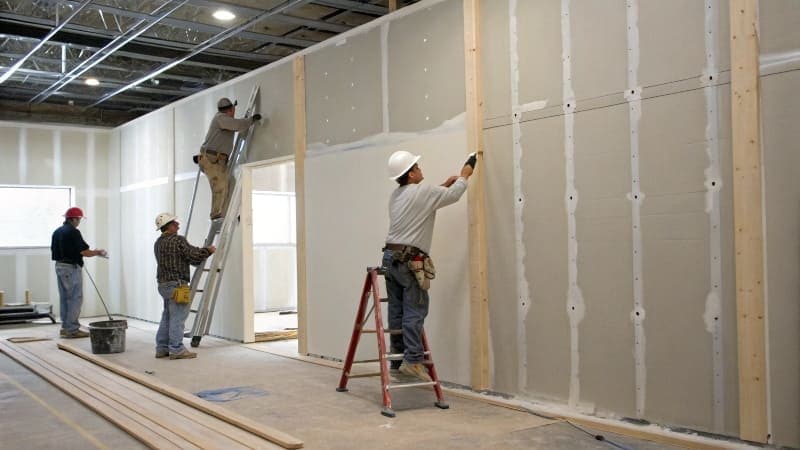
Veneer Pattern Performance Analysis
Performance analysis of different veneer patterns for concealing wall imperfections.
| Pattern Type | Imperfection Concealment | Aesthetic Appeal | Maintenance Level | Cost Factor |
|---|---|---|---|---|
| Fine Sand Texture | Excellent | High | Low | Moderate |
| Wood Grain Emboss | Very Good | Very High | Low | Moderate |
| Geometric Patterns | Good | High | Moderate | High |
| Deep Relief Texture | Outstanding | Moderate | High | High |
| Smooth Matte Finish | Fair | Very High | Very Low | Low |
Textured patterns provide superior imperfection concealment with aesthetic benefits.
Pattern Selection Guidelines
Guidelines for selecting optimal veneer patterns based on specific imperfection types.
| Imperfection Type | Recommended Pattern | Concealment Method | Visual Effect | Application Suitability |
|---|---|---|---|---|
| Minor Scratches | Fine sand texture | Surface diffusion | Subtle masking | All applications |
| Dents/Gouges | Deep relief patterns | Shadow creation | Complete hiding | Feature walls |
| Uneven Surfaces | Multi-directional texture | Light scattering | Depth illusion | Large areas |
| Color Variations | Wood grain emboss | Pattern distraction | Natural variation | Traditional spaces |
| Joint Lines | Geometric patterns | Visual redirection | Design focus | Modern interiors |
Pattern matching to imperfection type maximizes concealment effectiveness.
Installation Considerations for Textured Veneers
Installation factors affecting performance of textured veneer patterns.
| Installation Factor | Impact on Performance | TRUSUS Recommendation | Quality Control | Long-Term Benefit |
|---|---|---|---|---|
| Substrate Preparation | Critical for adhesion | Clean, dry surface | Visual inspection | Prevents failure |
| Adhesive Selection | Pattern compatibility | Texture-appropriate | Bond strength test | Secure attachment |
| Application Method | Pattern integrity | Professional installation | Pattern alignment | Aesthetic quality |
| Edge Treatment | Seamless appearance | Precise cutting | Fit verification | Clean finish |
| Surface Protection | Durability assurance | Appropriate coating | Adhesion test | Extended life |
Professional installation ensures optimal pattern performance and longevity.
Aesthetic and Functional Benefits
Combined aesthetic and functional benefits of textured veneer patterns.
| Benefit Category | Advantage | Implementation | Performance Measure | Value Addition |
|---|---|---|---|---|
| Visual Enhancement | Modern appearance | Pattern selection | Aesthetic rating | Property value |
| Imperfection Hiding | Flaw concealment | Texture matching | Concealment percentage | Renovation success |
| Light Management | Glare reduction | Matte finishes | Light distribution | Comfort improvement |
| Durability | Surface protection | Quality materials | Wear resistance | Maintenance reduction |
| Versatility | Design flexibility | Pattern variety | Application range | Design freedom |
Textured veneers provide comprehensive benefits beyond imperfection concealment.
Cost-Benefit Analysis
Economic analysis of veneer patterns for wall imperfection concealment.
| Pattern System | Material Cost | Installation Cost | Concealment Effectiveness | 10-Year Value |
|---|---|---|---|---|
| Fine Sand Texture | $8-12/m² | $15-20/m² | 85% | Excellent |
| Wood Grain Emboss | $12-18/m² | $18-25/m² | 80% | Very Good |
| Geometric Patterns | $15-25/m² | $20-30/m² | 75% | Good |
| Deep Relief | $20-35/m² | $25-40/m² | 95% | Outstanding |
| Standard Smooth | $5-8/m² | $12-18/m² | 40% | Fair |
Textured systems provide superior concealment with reasonable cost premiums.
Maintenance and Longevity
Maintenance requirements and longevity expectations for different veneer patterns.
| Pattern Type | Cleaning Method | Maintenance Frequency | Durability Rating | Replacement Timeline |
|---|---|---|---|---|
| Fine Sand | Gentle vacuum | Semi-annual | Excellent | 15-20 years |
| Wood Grain | Damp cloth | Annual | Very Good | 12-18 years |
| Geometric | Standard cleaning | Quarterly | Good | 10-15 years |
| Deep Relief | Detail cleaning | Quarterly | Excellent | 20+ years |
| Smooth Matte | Regular wiping | Monthly | Very Good | 12-15 years |
Textured patterns generally require less frequent maintenance due to imperfection concealment.
Conclusion
Covering wood walls with TRUSUS gypsum board reduces AC electricity bills by 10-20% through improved thermal mass adding 2-4 hour temperature lag, enhanced insulation reducing heat transfer by 60%, air sealing eliminating drafts, reflective properties, and thermal bridging elimination improving R-value from R-2 to R-12+. Fire-rated gypsum board can lower insurance by improving fire resistance from 15-30 minutes to 60-120 minutes, meeting safety standards, reducing risk assessment, qualifying for 5-15% discounts, and demonstrating proactive risk mitigation. Level uneven timber walls using steel stud framing with adjustable clips allowing 25mm correction, shimming techniques for 10mm irregularities, furring strips, laser measurement, and moisture barriers.