



Yes, you can hang a 20 lb mirror on drywall if you anchor it correctly. The key is using proper wall anchors or hitting the metal or wooden studs behind the wall. Drywall alone isn’t built to bear direct point loads, but when correctly reinforced, it holds mid-weight décor safely and securely.
Drywall strength = system + fastener, not just panel thickness.
TRUSUS gypsum board systems support wall fixtures when installed with approved anchors or stud mounts.
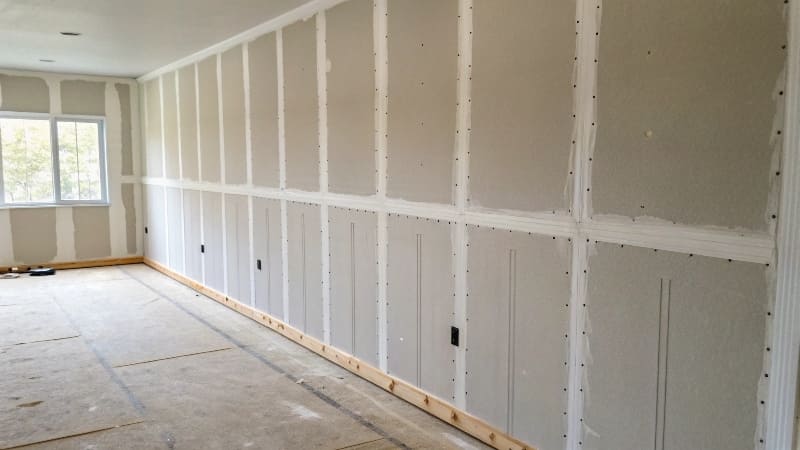
The failure risk isn’t from the wall’s weakness, but from wrong anchors or missing stud contact.
How Strong Are Gypsum Walls?
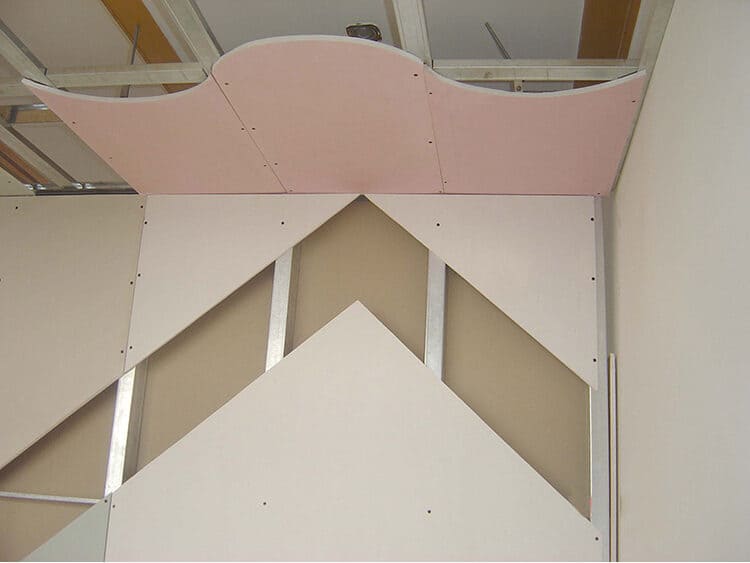
Gypsum walls are strong enough for residential and commercial interiors when part of a proper framing system. Alone, gypsum is a lightweight core material, but once attached to steel or wooden studs, it becomes a rigid, soundproof, and fire-safe system. A standard gypsum wall can resist minor impacts and support décor loads with the right anchors.
Gypsum wall strength is structural when designed as a system.
TRUSUS gypsum panels bonded to metal studs and treated joints create high-tensile wall assemblies.
Wall System Strength Factors
| Parameter | Description | Influence on Strength |
|---|---|---|
| Stud Spacing | 400–600 mm intervals | Tight spacing increases stiffness |
| Gypsum Thickness | 9mm, 12mm, 15mm | Thicker = higher impact resistance |
| Joint Treatment | Taped and mudded seams | Prevents cracking |
| Fastener Quality | Self-drilling screws, right depth | Stops loosening |
| Double Layering | Two gypsum sheets per side | Boosts density and soundproofing |
Practical Load Guidelines
| Type | Fixing Method | Example |
|---|---|---|
| Light load (<10 lb) | Plastic anchors | Small frame |
| Medium load (10–30 lb) | Metal toggle anchor | Mirror or picture |
| Heavy load (30+ lb) | Direct stud mounting | Shelf, cabinet |
So, while the board itself seems light, its system design transforms it into a strong modular structure ideal for modern buildings.
Can You Use Gypsum Board for Walls?
Yes. Gypsum board is one of the most common materials for internal partition and ceiling walls. It’s lightweight, easy to install, smooth, and fire-resistant. It also supports insulation and fast finishing. With drywall framing, gypsum walls are now the global standard for interior construction efficiency and precision.
Gypsum board = standardized interior wall system, not just decorative material.
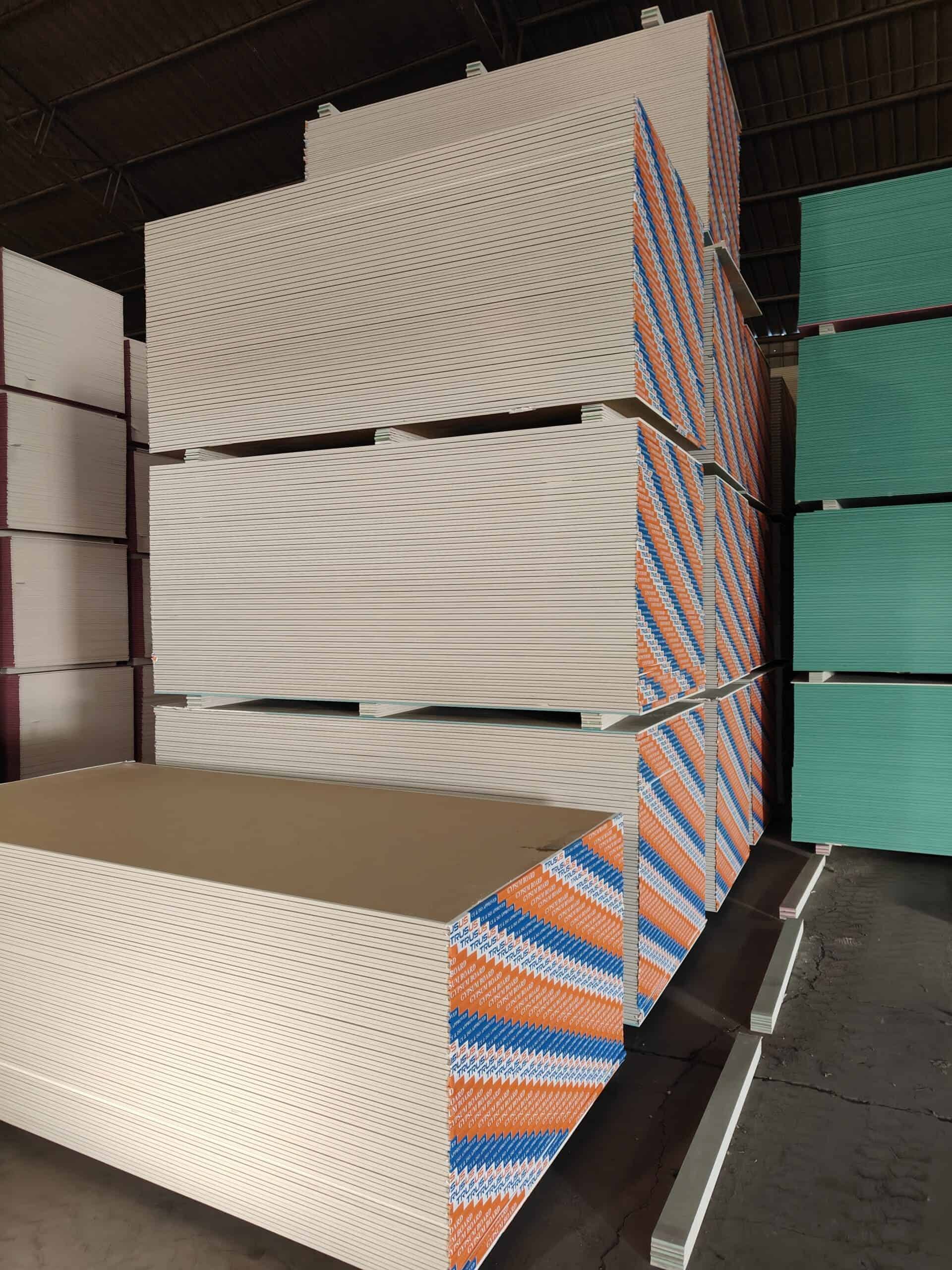
TRUSUS gypsum panels make flat, soundproof, and modular wall finishes easy to achieve.
Gypsum Wall Advantages
| Feature | Benefit | Application |
|---|---|---|
| Smooth Finish | Paint or wallpaper ready | Interiors |
| Quick Installation | Reduces build time | Commercial fit-outs |
| Fire Resistance | Slows spread of flame | Safety walls |
| Insulation Integration | Houses foam or mineral wool | Energy saving |
| Recyclable Material | Low environmental impact | Sustainable building |
In multi-unit housing and office buildings, gypsum panels define internal space precision, providing acoustic and thermal comfort while meeting fire standards.
Use in Building Systems
| Wall Type | Layers | Purpose |
|---|---|---|
| Standard partition | Single layer on each side | Dry areas |
| Moisture-resistant | Green board with wax layer | Bathrooms |
| Acoustic wall | Double layer, filled core | Offices |
| Fire-rated system | Special gypsum + insulation | Stairwells |
So yes—gypsum board isn’t just suitable; it’s the modern builder’s standard for high-performance walls.
What Are the Disadvantages of Using Gypsum Board?
The main disadvantages come from wrong applications, not the material itself. Regular gypsum board doesn’t handle prolonged moisture exposure, heavy impacts, or direct waterproofing areas. It needs correct board type selection and protection to perform well over time.
Weakness happens only when material meets wrong conditions.
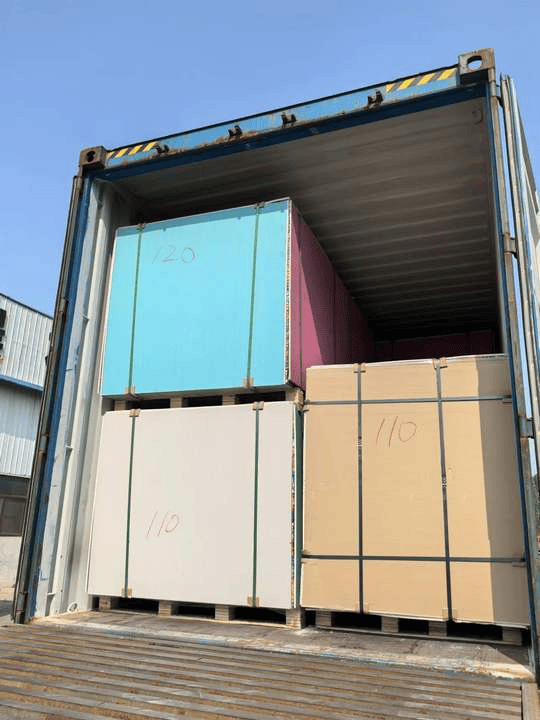
TRUSUS offers anti-moisture and fire-rated series to overcome general board limitations.
Disadvantage Breakdown
| Issue | Cause | TRUSUS Solution |
|---|---|---|
| Moisture absorption | Wrong board type in wet zone | Use moisture-resistant board |
| Low impact resistance | Thin board or no stud reinforcement | Choose reinforced gypsum |
| Cracking at joints | Poor taping and drying | Apply joint compound properly |
| Hollow sound | Poor stud spacing | Adjust spacing configuration |
| Low load capacity | No anchor or stud behind | Install correct fasteners |
How to Overcome Common Drawbacks
| Step | Action | Result |
|---|---|---|
| Assess environment | Check humidity before install | Choose correct board |
| Use right framing | Metal studs for alignment | Higher stability |
| Seal and coat finish | Prevents damp marks | Long life |
| Avoid point loading | Use distributed fixtures | Balanced stress |
Handled correctly, even these “weak points” turn into manageable system details, not disqualifying flaws.
Conclusion
You can hang a 20 lb mirror on drywall—with correct anchors and structural awareness. Gypsum walls are strong when used as a system, not as free panels. They are ideal for wall construction due to speed, finish, and build precision. Though sensitive to moisture and impact, TRUSUS gypsum systems overcome these issues with engineering-grade design. The true value of gypsum walls lies not in their weight, but in the balance between lightness, strength, and versatility that shapes the modern built environment.