



Yes, humidity can make drywall crack. When air moisture rises, drywall (also known as gypsum board or drywall plasterboard) absorbs water and expands slightly. When humidity drops, it dries and contracts. This constant movement causes tension at the joints, especially if they lack flexibility or were installed in unstable conditions.
drywall systems use humidity-balanced gypsum board cores and surface papers to minimize stress from environmental changes.
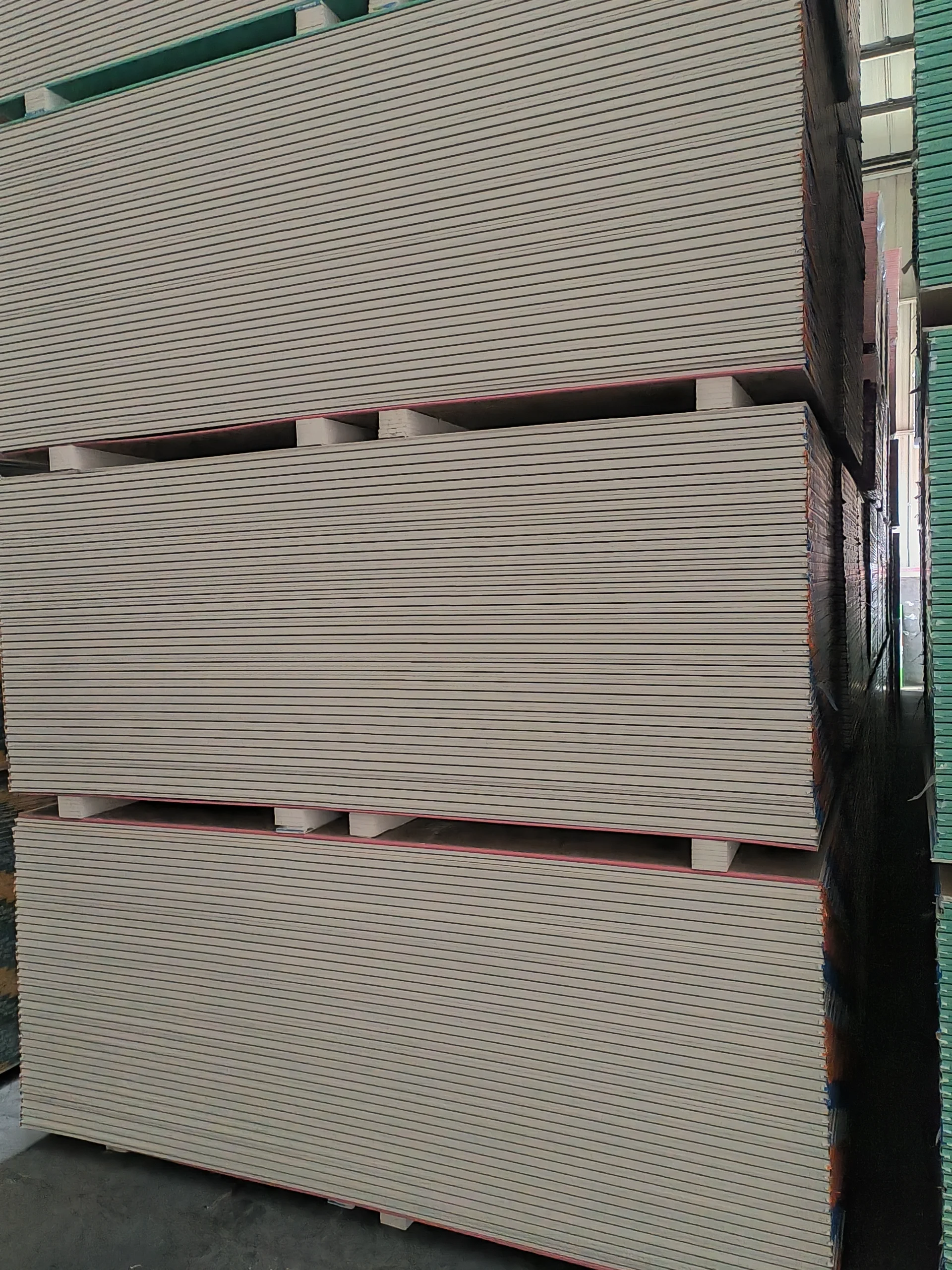
Drywall doesn’t crack because it’s weak—it cracks because air and structure push it beyond its natural flexibility. High humidity cycles affect both drywall plasterboard and gypsum board in similar ways, as both rely on gypsum-based cores that react to moisture.
How Can You Tell If a Drywall Crack Is Structural?
You can tell if a drywall, gypsum board, or drywall plasterboard crack is structural by location, direction, and pattern. Cracks near corners, over doors, or running diagonally may indicate movement in framing or foundation. Straight, thin cracks following seams are usually surface-related, not structural.
recommendation: check whether cracks follow framing patterns, widen over time, or coincide with structural joints.
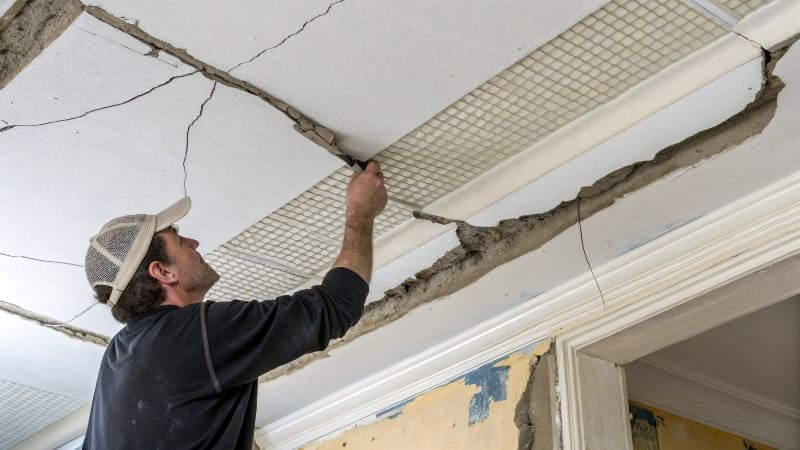
Crack Type Comparison
| Crack Type | Location | Cause | Level of Concern |
|---|---|---|---|
| Hairline at joints | Along tape lines | Temperature or humidity change | Low |
| Corner cracks | Between ceiling and wall | Building shift or poor tape | Medium |
| Diagonal cracks | Over windows or doors | Structural movement | High |
| Wide horizontal cracks | Across multiple panels | Foundation settlement | Critical |
Inspection Steps
| Step | What to Observe | What to Do |
|---|---|---|
| Check expansion joints | If missing, new ones may be needed | Prevent future stress |
| Measure crack width | Use pencil lead as reference | Over 2 mm: investigate structure |
| Monitor over 2–4 weeks | See if it grows or stays stable | Structural = movement continues |
| Look for other clues | Doors sticking, tile cracks | Supports structural evidence |
In most homes, small cracks in drywall plasterboard or gypsum board are cosmetic but should still be watched during seasonal humidity shifts.
How to Keep Drywall Joints from Cracking?
To keep drywall joints from cracking, control environmental changes and use compatible joint materials. Maintain indoor humidity between 40–60%, use joint tape and flexible compound, and avoid installing drywall plasterboard or gypsum board on freshly built structures that haven’t settled.
TRUSUS use matched gypsum core, tape, and anti-crack compound to release stress evenly.
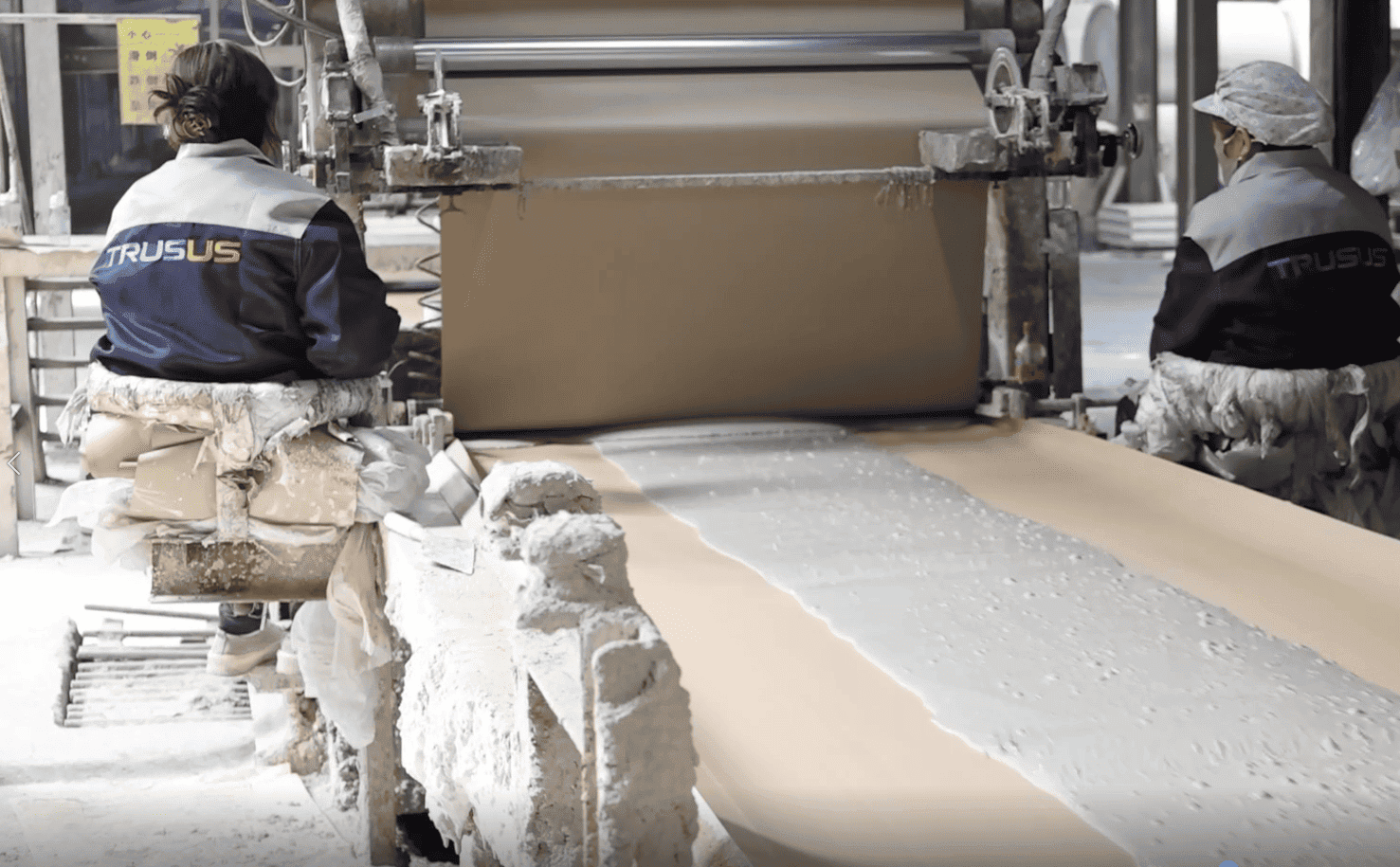
Joint Stability Formula
| Element | Purpose | Example |
|---|---|---|
| Paper or fiberglass joint tape | Reinforce joint | glass-fiber mesh |
| Flexible joint compound | Absorb stress | Polymer-modified paste |
| Temperature buffer | Reduces expansion/contraction | Stable indoor climate |
| Gap allowance on install | Prevents panel stress | 1/8 inch spacing |
Environmental Control Steps
| Step | Description | Benefit |
|---|---|---|
| Condition materials before install | Let gypsum board rest 24 hrs indoors | Balances internal moisture |
| Seal room openings | Avoid quick airflow | Consistent drying |
| Apply primer before paint | Stabilizes surface absorption | Prevents hairline cracks |
| Inspect seams regularly | Catch movement early | Extends finish life |
Crack prevention is about managing interaction, not just patching flaws—and applies equally to drywall, gypsum board, and drywall plasterboard installations.
Do Cracks in Drywall Mean Foundation Problems?
Not always. While some cracks can signal foundation movement, most drywall, gypsum board, or drywall plasterboard cracks come from humidity or thermal changes. If cracks appear suddenly, grow wider, or follow a zig-zag pattern through walls, it’s worth checking the structure. Otherwise, they’re usually environmental or cosmetic.
diagnostic tip: before assuming a foundation issue, rule out moisture cycling, poor joint tape, or shrinkage.
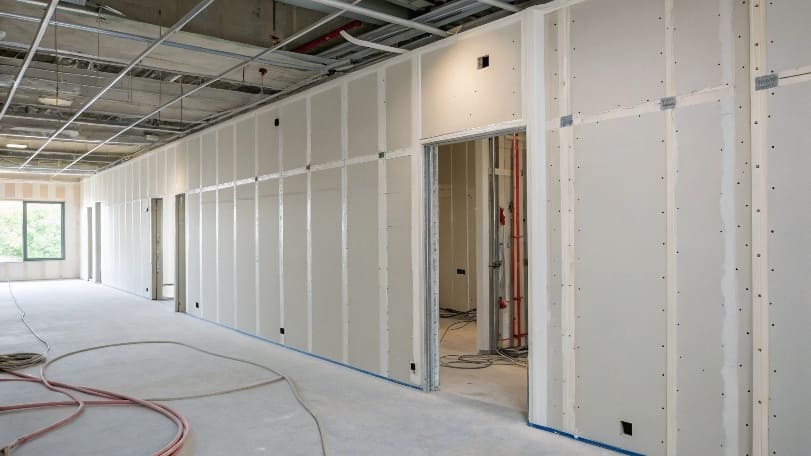
Diagnostic Overview
| Crack Pattern | Common Cause | Recommended Action |
|---|---|---|
| Straight line | Joint tape failure | Reseal with flexible compound |
| Stair-step pattern | Foundation movement | Structural inspection |
| Ceiling center | Truss uplift | Add control joint |
| Edge of wall | Seasonal humidity change | Monitor and repaint |
When to Seek Professional Help
| Symptom | Possible Problem | Next Step |
|---|---|---|
| Doors/windows hard to open | House shifting | Foundation inspection |
| Recurrent same-place cracking | Structural flex | Engineer evaluation |
| Uneven floors | Settlement | Immediate check |
| Minor wall cracks only | Surface stress | Refinish and observe |
Most cracks in gypsum board and drywall plasterboard reveal how materials communicate with the building environment, not necessarily signs of structural failure.
Conclusion
Humidity can make drywall, drywall plasterboard, and gypsum board expand and contract, leading to surface cracks. Structural cracks behave differently—wider, repeating, and diagonal. Prevent cracking by balancing humidity, using matched materials, and allowing movement space. Not every crack points to structural damage; most show natural material response. In the approach, true durability means harmony between boards, structure, and climate—a system where walls adapt, not break.