



Premium Plywood
China TOP Plywood Supplier & Manufacturer - TRUSUS
Construction | Furniture | Industrial Applications
Certifications & Standards
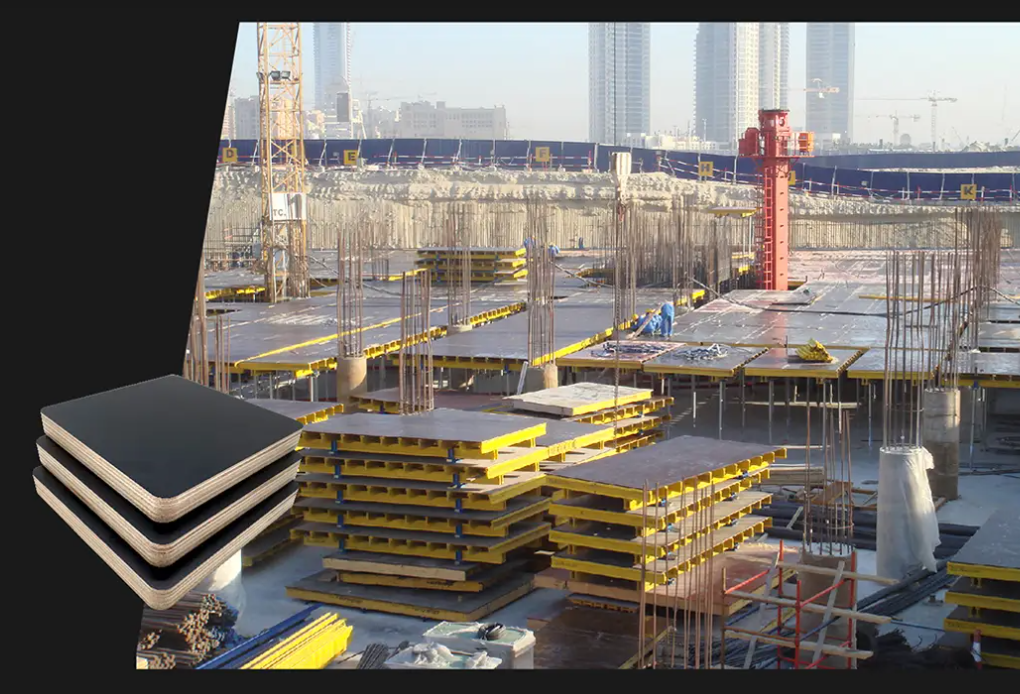
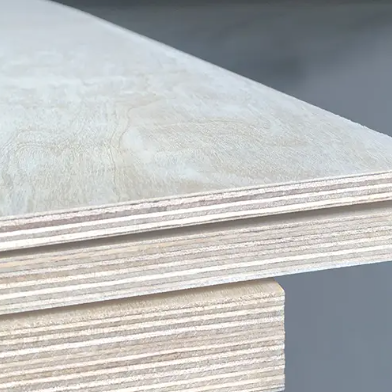
Hardwood Plywood
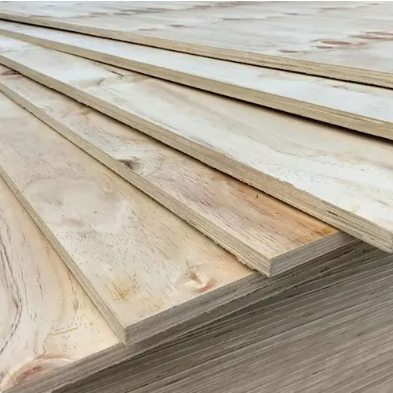
Softwood Plywood
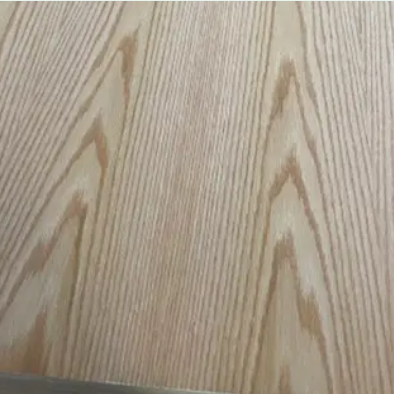
Fancy Plywood
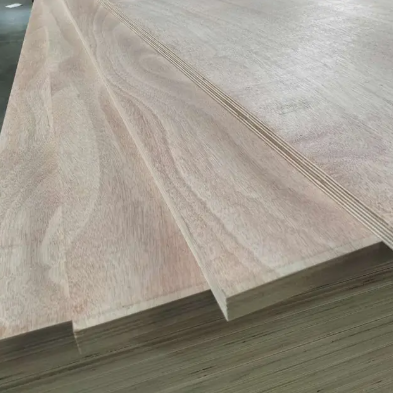
Marine Plywood
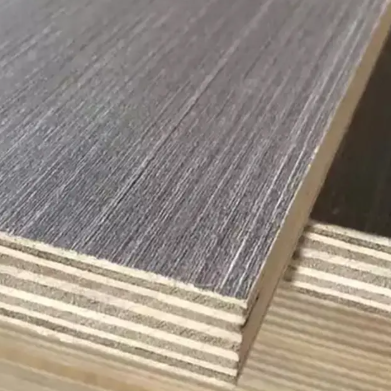
Decorative Plywood
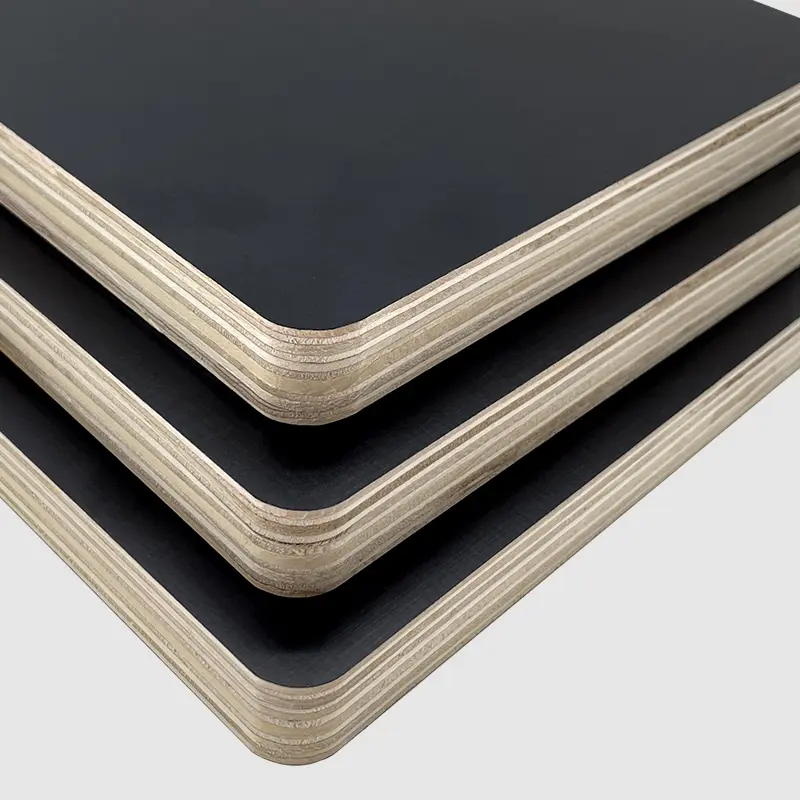
Black Film Faced Plywood
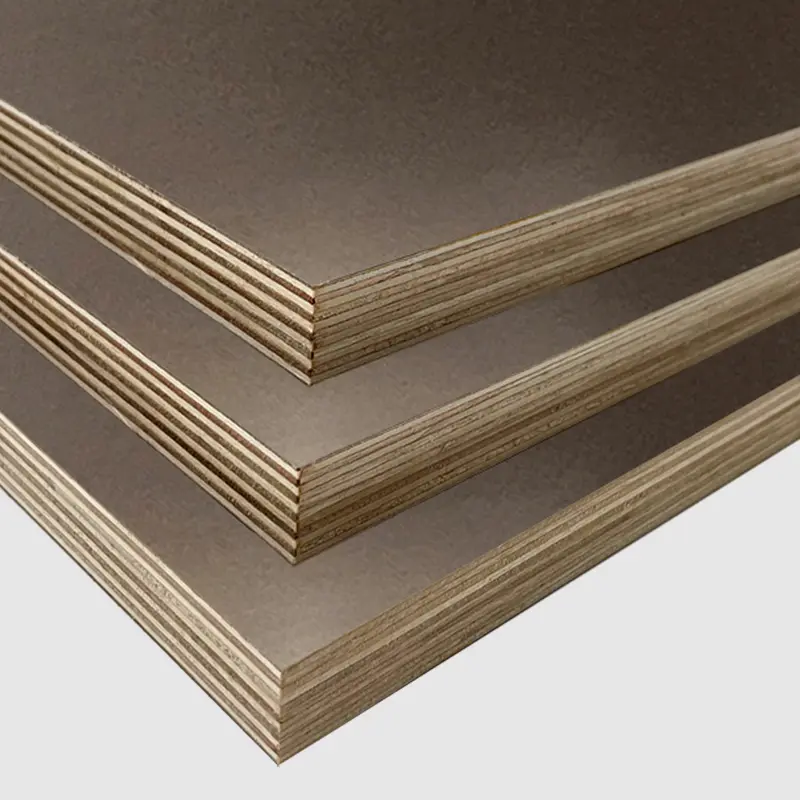
Brown Film Faced Plywood
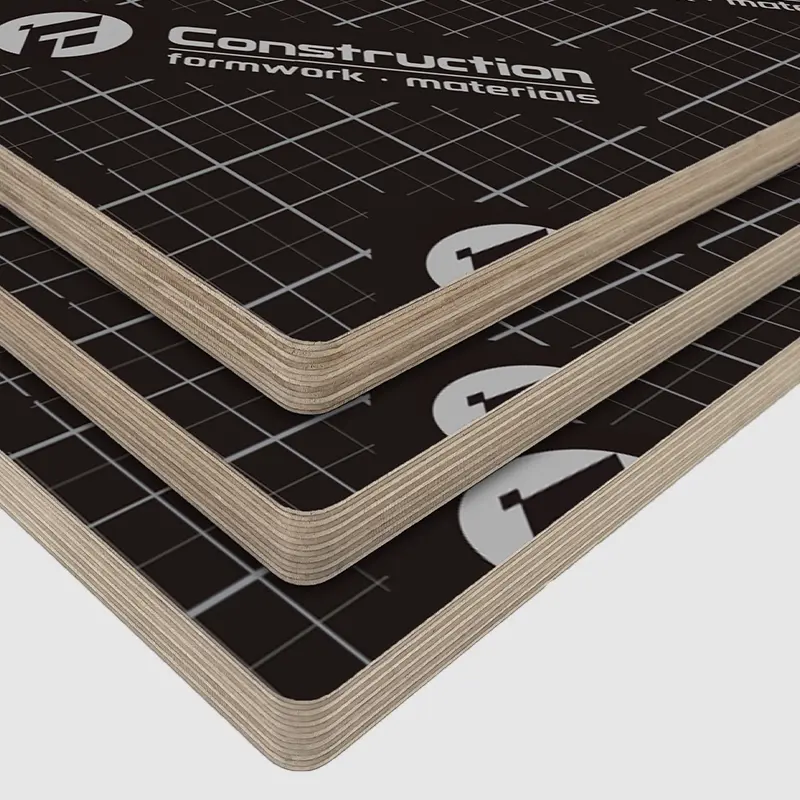
Logo Print Film Faced Plywood
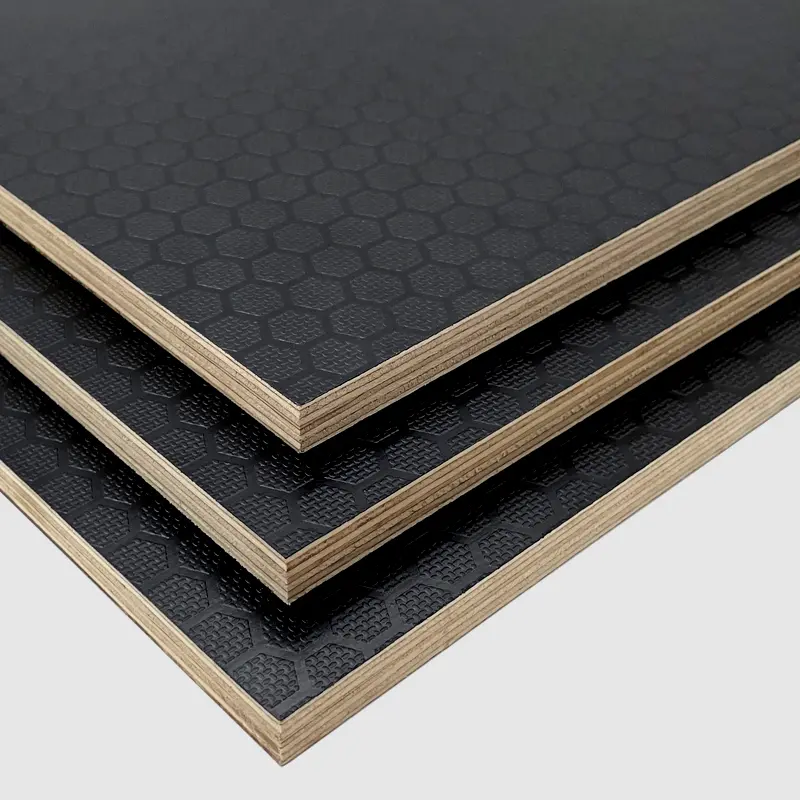
Anti Slip Film Faced Plywood
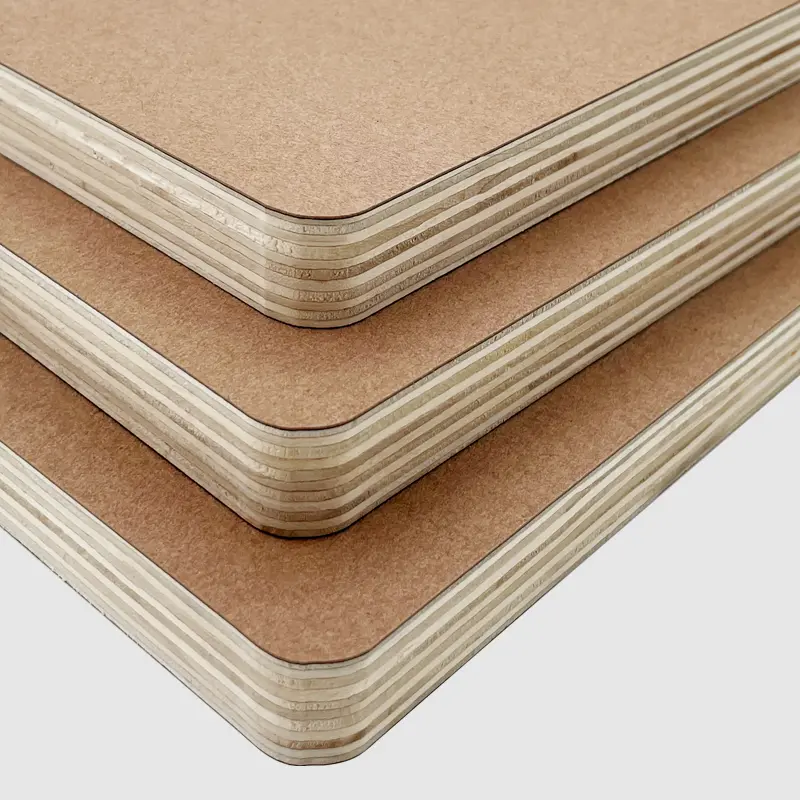
MDOHDO Film Faced Plywood
——————————————————————
Specifications & Customization of Plywood
Comprehensive specifications and customization options for our premium plywood products
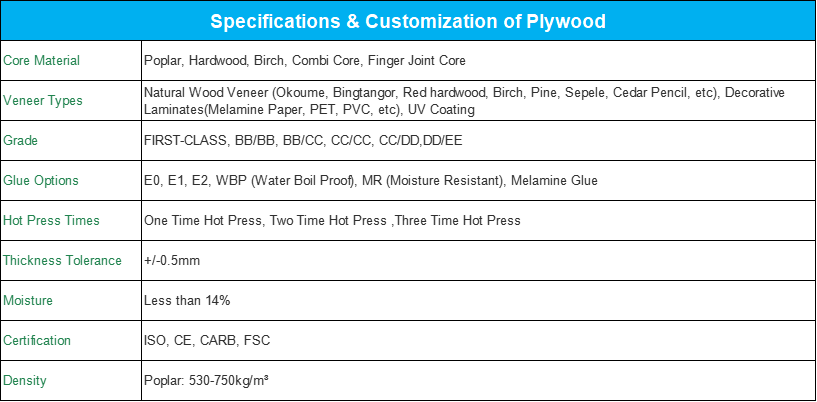
Need custom specifications? Our team can help you find the perfect plywood solution for your project.
Professional Installation Instructions
Follow these expert guidelines for optimal plywood installation, ensuring maximum durability and professional results for your construction project.
Surface Preparation
Ensure the installation surface is clean, dry, and level. Remove any debris, dust, or existing materials that could affect adhesion.
Measurement & Cutting
Measure twice, cut once. Use proper cutting tools and safety equipment. Allow for expansion gaps around the perimeter.
Fastener Selection
Choose appropriate screws or nails based on plywood thickness and application. Pre-drill holes to prevent splitting.
Installation Process
Install panels with proper spacing and alignment. Work systematically from one corner to maintain consistent patterns and joints.
Sealing & Finishing
Apply appropriate sealers or finishes based on the intended use. Ensure proper ventilation during application and curing.
Quality Inspection
Inspect the completed installation for proper alignment, secure fastening, and overall quality before final acceptance.
Application Scenarios
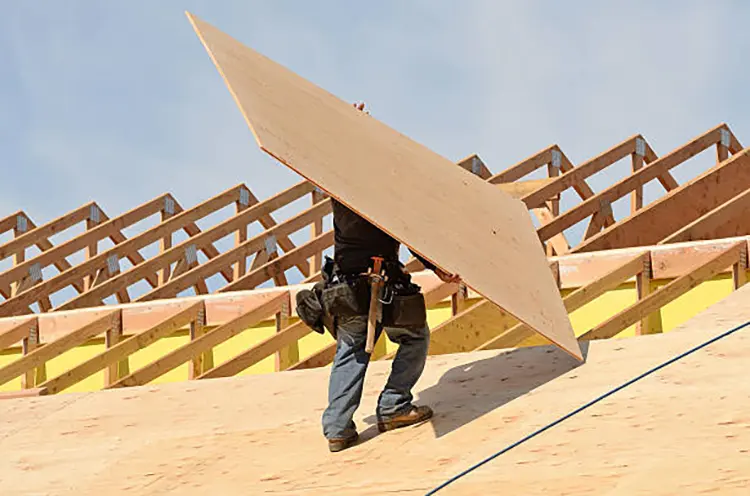
Construction & Building Industry
Plywood is widely used in construction due to its strength, durability, and resistance to moisture and impact.
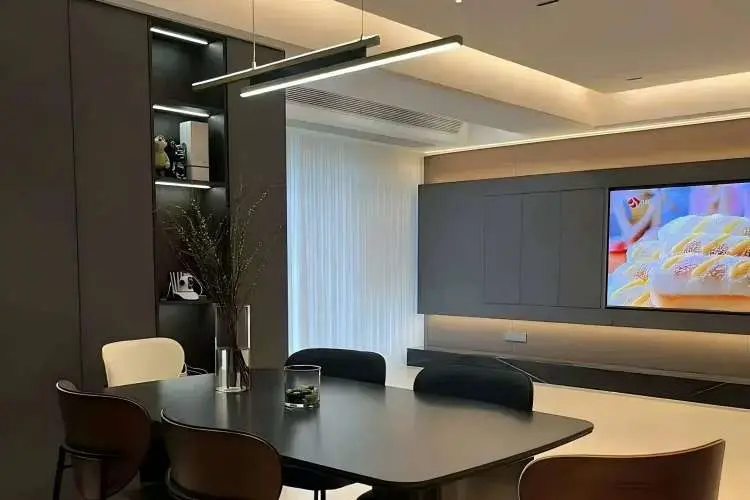
Furniture & Interior Decoration
Plywood is a key material for modern furniture and interior design.
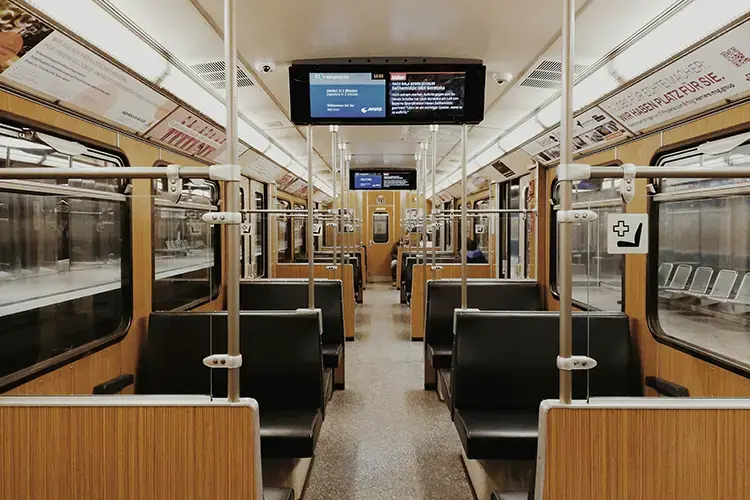
Transport & Automotive Industry
Plywood plays a crucial role in automotive and transport manufacturing.
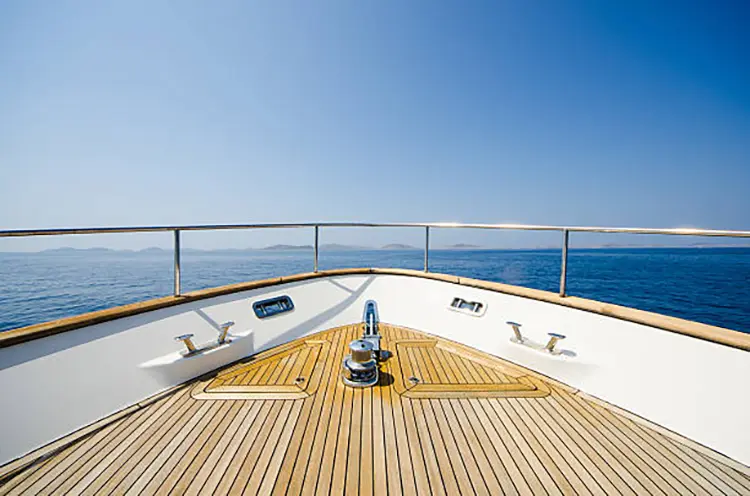
Marine & Boat Building
Plywood is used in marine applications due to its water-resistant properties.
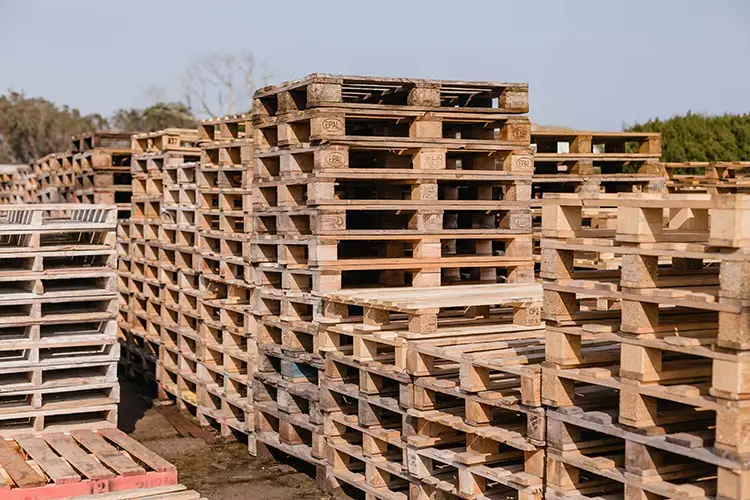
Packaging & Industrial Use
Plywood is a cost-effective, strong, and light weight material for packaging and industrial applications.
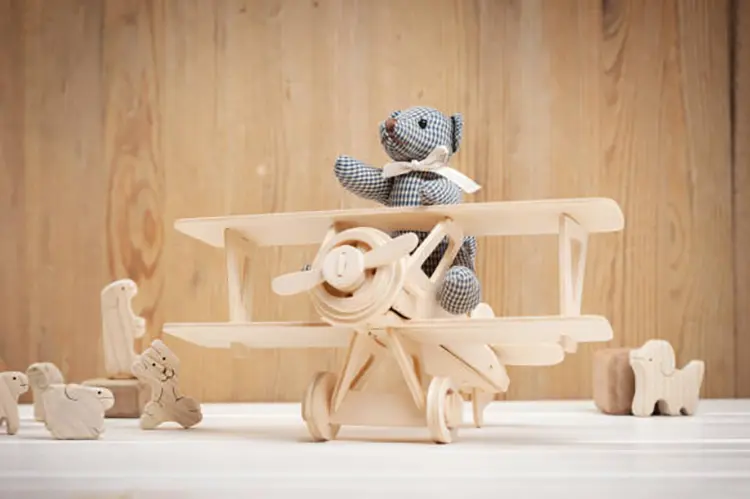
DIY & Handicrafts
Plywood is widely used by DIY enthusiasts and craft makers for creative projects.
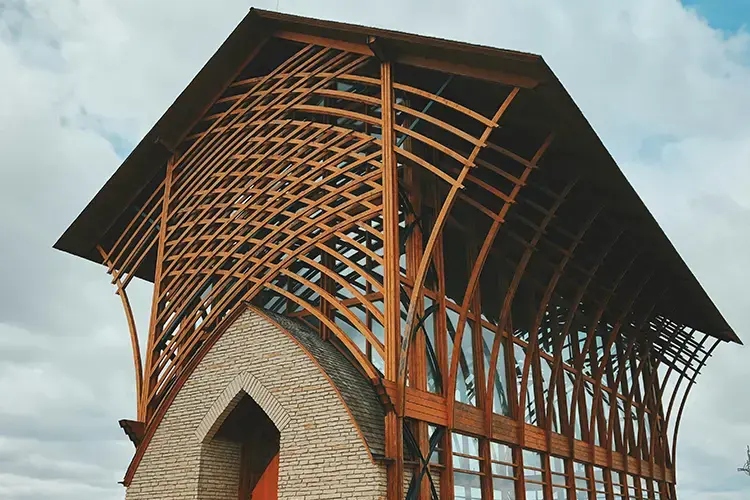
Agricultural & Farming Industry
Plywood is useful in farm structures and agricultural applications.
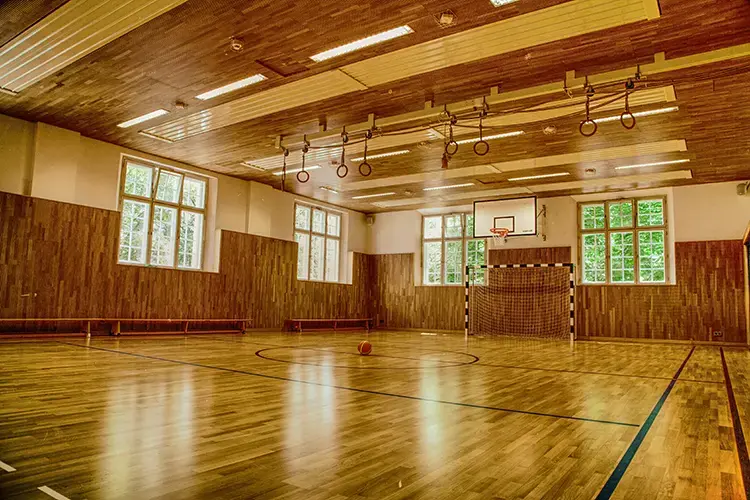
Sports & Recreational Facilities
Plywood is essential in sports flooring and gym equipment.
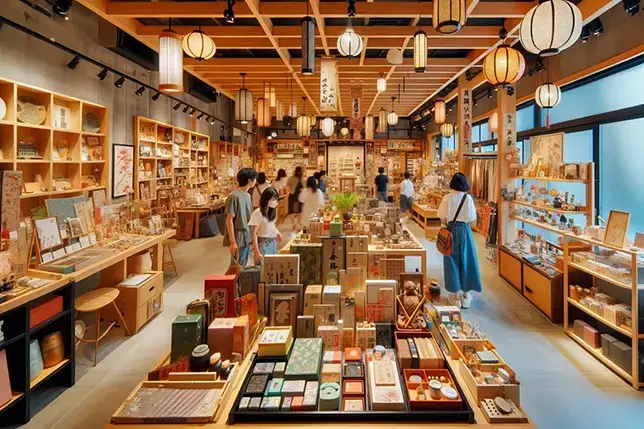
Retail & Commercial Spaces
Plywood is a popular choice for shop fittings and commercial spaces.
Plywood Characteristics
Discover the exceptional properties that make plywood a versatile and reliable choice for various applications
Strength & Durability
Cross-grain construction provides exceptional strength and resistance to splitting, warping, and cracking under various conditions.
Versatility
Available in various grades and thicknesses, suitable for construction, furniture, marine applications, and decorative projects.
Cost-Effective
Offers superior performance at competitive prices, making it an economical choice for both professional and DIY projects.
Easy to Work With
Cuts, drills, and shapes easily with standard tools while maintaining structural integrity throughout the process.
Smooth Surface
Provides an excellent base for painting, staining, or laminating with minimal surface preparation required.
Environmental Benefits
Made from renewable resources with efficient wood utilization, supporting sustainable forestry practices and reducing waste.
How to evaluate the quality of plywood?
You can focus on five core dimensions: adhesive type, base material (wood species and core), appearance grade, environmental grade, and physical performance. You can quickly grasp the judging criteria from the table below:
| Evaluation Dimension | Specific Standards & Explanations |
|---|---|
|
Adhesive Type (Most Critical)
|
Determines water resistance and durability, directly corresponding to national standard classifications:
Type I NQF
- Weather Resistant Plywood: Can be used outdoors, resistant to boiling water and weathering.
Type II NS
- Water Resistant Plywood: Suitable for indoor damp environments (kitchen, bathroom), resistant to coldwater immersion.
Type III NC
- Moisture Resistant Plywood: For normal indoor conditions, resists moisture vapor.
Type IV BNC
- Non Moisture Resistant Plywood: For dry indoor use only.
|
|
Base Material Quality
|
1. Face/Back Veneer Species:
Hardwoods (e.g., eucalyptus, birch) offer harder, more wear resistant surfaces but are more expensive; poplar, mixed hardwoods are cost effective.
2. Core & Number of Piles:
The core should be even, without hollows or gaps;
3. More piles
(e.g., 11 ply > 5 ply) mean greater structural stability.
|
|
Appearance Grade
|
Graded according to flaws on the face (front) veneer. Common grades:
1. BB/BB and above:
No repairs, no splicing, suitable for clear finishes.
2. BB/CC:
Minor flaws on the face, repaired or spliced, suitable for covered surfaces or painting.
3. Clear Finish Note:
If you want a clear finish to show the wood grain, you must select a high‑grade face.
|
|
Environmental Grade
|
Determined by formaldehyde emission limits. National standards mainly include E1 and E0:
1. E0:
Formaldehyde emission ≤0.050 mg/m³
2. E1:
Formaldehyde emission ≤0.124 mg/m³
|
|
Physical Performance
|
Flatness:
The panel surface should be flat, without obvious warping or twisting.
Thickness Uniformity:
Thickness should be consistent across different points. Surface Craftsmanship: Smooth, free of burrs.
|
Plywood Production Show
Send us a Message
Fill out the form below and we'll get back to you within 10 minutes.